Not medical advice — written by Ngoc Vietsmall, who is not a healthcare professional.
This article summarises publicly available medical information for general readers. It cannot account for your history, medication or symptoms, and it is not a diagnosis or a treatment plan. Any dose mentioned comes from published labelling or guidelines — only your own prescriber can decide what is right for you.
Always speak to a doctor or pharmacist before starting, stopping or changing any treatment. If symptoms are severe or getting worse, seek urgent care. Full disclaimer · How this is written
Hey there! If youve stumbled onto the term CyberKnife radiation while searching for cancer treatment options, youre probably looking for clear, straighttothepoint answers. In a nutshell, CyberKnife is a robotguided, noninvasive radiosurgery that delivers very precise, highdose radiation to tumorsoften in just a handful of sessions. It works for many solid cancers, especially in the brain, spine, prostate, and lungs, but it isnt a onesizefitsall solution. Below well walk through how it works, what cancers it can treat, the good and the notsogood, costs, and real stories from people whove been there.
Quick Answer Overview
What is CyberKnife radiation?
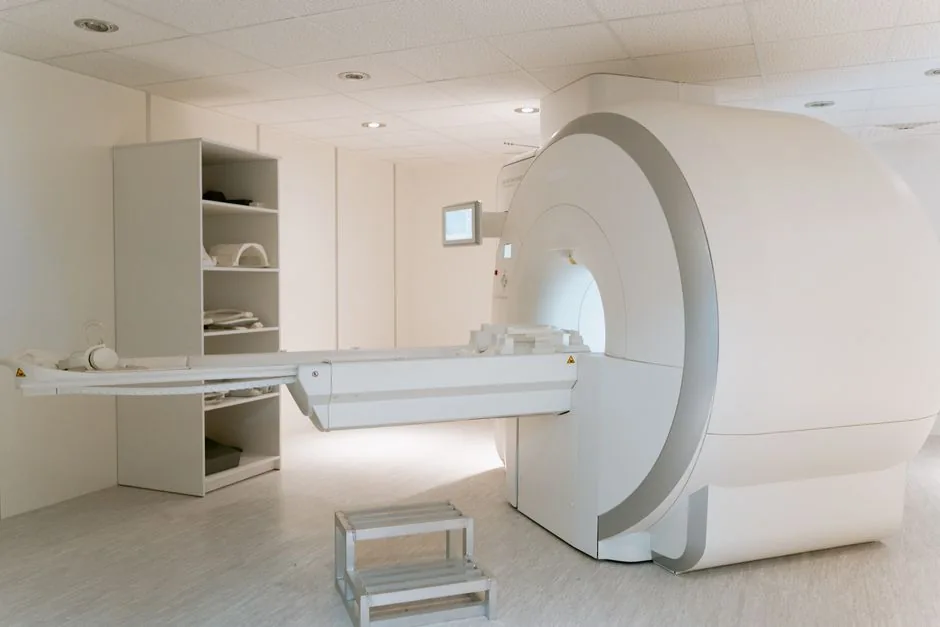
Think of it as a superaccurate, hightech flashlight that shines focused radiation beams at a tumor while constantly adjusting to keep the beam right on targeteven if you breathe or shift a little. The system combines a robotic arm, realtime Xray imaging, and sophisticated planning software, allowing doctors to treat tumors without a scalpel.
Is it right for me?
Its great for many solid tumors that are hard to reach surgically, but suitability depends on tumor size, location, and your overall health. Your radiation oncologist will weigh the benefits against any potential drawbacks before recommending it.
How It Works
Core technology
The heart of CyberKnife is a compact linear accelerator mounted on a robotic arm that can move around the patient from dozens of angles. While the beam fires, builtin Xray cameras track tiny metallic markers placed near the tumor, adjusting the arms position in real time. This submillimeter precision means healthy tissue gets spared.
Typical workflow
- Simulation: A CT or MRI scan creates a 3D map of your tumor.
- Planning: A physicist and physician design a customized radiation plan, deciding dose, number of fractions, and beam angles.
- Delivery: Each 30 to 60minute session delivers the prescribed dose; most patients need 15 sessions.
- Followup: Imaging checks the tumors response and ensures sideeffects stay minimal.
Stepbystep diagram
| Phase | Description |
|---|---|
| Simulation | CT/MRI imaging, marker placement, contouring |
| Planning | Dosimetry calculations, beampath selection |
| Delivery | Robotic arm movement, realtime imaging adjustments |
| Followup | Posttreatment scans, monitoring for toxicity |
Key specs (from the manufacturer)
According to Accurays product page, the system achieves submillimeter accuracy, delivers up to 6MV photon beams, and can treat targets as small as 1mm in diameter. Those numbers translate into the ability to hit tiny brain lesions without hurting surrounding critical structures.
Treated Cancer Types
Brain tumors
Whether its a primary glioma, a benign meningioma, or a metastasis that jumped from another organ, CyberKnife can treat lesions as small as a pea. Because the brain is packed with delicate nerves, the precision here really shines.
Prostate cancer
For low to intermediaterisk disease, many centers use a 5fraction regimen (often called CyberKnife SBRT). Patients report a rapid return to normal activities, and longterm control rates rival surgery.
Spine & metastases
Spinal tumors that cause pain or risk spinal cord compression can be zapped without a risky open surgery. The systems ability to track movement from breathing keeps the radiation beam steady even when the spine shifts a bit.
Other sites (lung, liver, pancreas)
When the disease is limitedwhat doctors call oligometastaticCyberKnife can deliver ablative doses in just a few sessions, sometimes postponing the need for systemic therapies.
Cancer type vs. typical dose
| Cancer | Typical Dose (Gy) | Fractions |
|---|---|---|
| Brain metastasis | 2430 | 35 |
| Prostate (lowrisk) | 36.25 | 5 |
| Spine lesion | 1824 | 3 |
| Lung nodule | 4860 | 35 |
Real story: Johns lung nodule
John, a 58yearold accountant, discovered a 2cm lung nodule on a routine scan. After a multidisciplinary review, his team chose CyberKnife. In four outpatient visits, the tumor vanished on followup scans, and John was back to his golf routine within two weeks. Stories like his illustrate how the technology can fit neatly into everyday life.
Key Benefits
Noninvasive and painless
No incisions, no general anesthesiajust a comfortable recline and a few soothing breaths. Most patients describe the experience as a quick nap rather than a medical ordeal.
Precision means fewer sideeffects
Because the beam can dodge critical structures, the risk of radiationinduced damage to nearby brain tissue, spinal cord, or bowel is dramatically lowered compared with conventional externalbeam radiotherapy.
Short treatment course
Instead of weeks of daily visits, you might finish in one to five sessions. Thats a huge qualityoflife boostespecially for busy families or those living far from a treatment center.
Outpatient convenience
After each session you can drive home, grab dinner, and resume normal activities. No overnight hospital stay needed.
Patient voice
I was terrified of surgery, but the CyberKnife felt like a gentle, precise laser. I was back to work in two days, says Maria, a 45yearold teacher who underwent treatment for a spinal metastasis.
Disadvantages & Limits
Potential drawbacks
- Higher upfront cost: The technology is expensive to purchase and maintain, which can translate to higher treatment fees.
- Limited availability: Not every cancer center has a CyberKnife; you may need to travel.
- Insurance hurdles: Some insurers require additional preauthorization steps.
When is CyberKnife not recommended?
Big tumors (>5cm) often need a different approach because the radiation dose would spill into surrounding tissue. Certain radioresistant cancers (like some sarcomas) also respond better to surgery or systemic therapy. Patients who cannot stay stilldue to severe claustrophobia or uncontrolled movementmight find the treatment challenging.
Common sideeffects
Most are mild: temporary fatigue, skin redness at the entry point, or a brief swelling near the target area. Rarely, highdose treatments can cause radiation necrosis, especially in the brain, but careful planning minimizes that risk.
Riskmitigation checklist
- Confirm tumor size 5cm.
- Review imaging for nearby critical structures.
- Discuss preexisting conditions (pacemaker, clotting disorders) with your oncologist.
- Plan for posttreatment monitoring.
CyberKnife vs GammaKnife
Technology differences
GammaKnife uses a fixed cobalt60 source and a helmet that locks the patients head in placeideal for purely intracranial targets. CyberKnifes robotic arm brings flexibility: it can treat brain lesions, spine, lung, prostate, or liverall without moving the patient.
Indications at a glance
- GammaKnife: Primarily brain tumors, AVMs, trigeminal neuralgia.
- CyberKnife: Brain, spine, lung, prostate, liver, pancreas, and some abdominal lesions.
Outcome comparison
Both achieve local control rates above 90% for appropriately selected lesions. However, CyberKnife often requires fewer sessions for extracranial sites and offers greater comfort for patients who dislike headframe fixation.
Sidebyside table
| Feature | CyberKnife | GammaKnife |
|---|---|---|
| Arm type | Robotic, multiangle | Fixed helmet |
| Target range | Braintoabdomen | Brain only |
| Sessions | 15 (often) | 13 (usually) |
| Patient comfort | Freefloating, no frame | Head frame or mask |
Cost & Insurance
Typical price range
In the U.S., a single CyberKnife session can run between $4,000 and $8,000, depending on the center and tumor site. For a 5fraction prostate protocol, total costs often land between $20,000 and $40,000.
Insurance coverage
Most major insurers, including Medicare, cover CyberKnife when its deemed medically necessary. However, youll likely need a preauthorization, and some plans require a letter of medical necessity. Working with a hospital financial counselor can smooth that process.
Financial assistance options
Many large cancer centers offer charity care, payment plans, or clinical trial stipends that offset part of the expense. It never hurts to ask your care team about these resources early.
Costbreakdown infographic (text version)
- Initial consultation: $200$500
- Simulation & planning: $2,000$3,500
- Each treatment session: $4,000$8,000
- Followup imaging: $500$1,200 per scan
RealWorld Stories
Brain tumor survivor
Emma, 32, was diagnosed with a 1.5cm meningioma near her optic nerve. Surgery carried a high risk of vision loss. She opted for CyberKnife, receiving three sessions over two weeks. Six months later, MRI showed complete tumor disappearance, and her vision remained intacta testament to the systems precision.
Physician perspective
Dr.Liu, a boardcertified radiation oncologist at a leading cancer institute, explains, We choose CyberKnife when a lesion is hard to reach surgically or when we want to spare critical structures. The decision is always a balance of tumor biology, patient health, and logistics.
Community resources
Support groups on Cancer.Net and patient forums often feature threads titled My CyberKnife experience. Reading a few of those stories can give you a realistic sense of what to expect and reduce anxiety.
Bottom Line Summary
CyberKnife radiation offers a blend of high precision, convenience, and a noninvasive approach that can be lifechanging for many patients with brain, prostate, spine, lung, or liver tumors. Its major strengths are the ability to treat deepseated lesions without surgery and to do so in a handful of outpatient visits. On the flip side, the technology is costly, not universally available, and isnt suitable for very large or certain radioresistant tumors. If youre exploring treatment options, ask your radiation oncologist about tumor size, expected sideeffects, insurance coverage, and whether a short, focused CyberKnife course fits your lifestyle.
Ready to take the next step? Talk to your oncology team, request a treatmentplanning consultation, and dont shy away from asking about financialaid programs. Knowledge is power, and the more you understand, the more confidently you can navigate your cancer journey.