Not medical advice — written by Ngoc Vietsmall, who is not a healthcare professional.
This article summarises publicly available medical information for general readers. It cannot account for your history, medication or symptoms, and it is not a diagnosis or a treatment plan. Any dose mentioned comes from published labelling or guidelines — only your own prescriber can decide what is right for you.
Always speak to a doctor or pharmacist before starting, stopping or changing any treatment. If symptoms are severe or getting worse, seek urgent care. Full disclaimer · How this is written
Want to know if your distance vision is truly normal without booking an appointment? The 6/6 eye test chart lets you get a snapshot of your eyesight right from your living roomin just a minute or two. Below youll find a free printable PDF, stepbystep instructions, and everything you need to understand the results safely.
What Is 6/6 Vision
Definition of 6/6 (or 20/20) Vision
In most countries the visual acuity scale is expressed as 6/6, which means you can see at 6 metres what a person with standard vision can see at the same distance. In the United States the equivalent is 20/20. The term comes from the classic Snellen chart 6/6 where the letters on the 6/6 line are designed to subtend 5 minutes of arc at that distance.
How 6/6 Compares to Other Acuities
| Acuity | What It Means |
|---|---|
| 6/6 (20/20) | Normal distance vision |
| 6/9 (20/30) | Mild blur, may need glasses for driving |
| 6/12 (20/40) | Moderate blur, corrective lenses usually recommended |
| 6/18 (20/60) | Significant blur, professional evaluation advised |
VisualAcuity Chart Example
The letters youll read on the 6/6 line are usually E, F, P, T, O, Z, L, P, E, and D. If you can read them comfortably from the correct distance, youve hit the normal vision of eye 6/6 benchmark.
Using the Chart at Home
Required Setup (Distance, Lighting, Wall Space)
First things first: pick a flat wall thats at least 6 metres (20feet) away from where youll sit. If you dont have that much space, a printable eye chart 10 feet PDF works just finejust make sure the chart is printed at 100% scale and you stand 10feet away. Good, even lighting (no glare) is essential, so a welllit living room or a hallway works best.
StepbyStep Procedure
- Print the eye test chart pdf download on plain A4 paper.
- Mount the chart on the wall, making sure its straight and fully visible.
- Position yourself so your eyes are exactly the required distance from the chart (6m or 10ft).
- Cover one eye with your palm (or a piece of cloth).
- Start at the top and read each line out loud, moving downwards.
- Note the smallest line where you can correctly identify every letter.
- Repeat with the other eye, then both eyes together.
If the smallest line you read is the 6/6 line, congratulationsyour distance vision meets the standard benchmark.
Common Pitfalls & How to Avoid Them
From my own experience watching my teenage daughter test herself, a few mistakes keep popping up:
- Standing too close or too far. Always measure the distance; even a halfmetre shift can throw off your results.
- Bad lighting. Shadows or bright glare can make letters look fuzzier than they are.
- Reading the chart upside down. It sounds silly, but Ive seen it happen when the chart is hung high.
Fix these, and youll get a reliable reading.
Free Online 6/6 Tests
What to Expect from a 6/6 Vision Test Online
If printing isnt your jam, there are several reputable sites that let you take a 6/6 vision test straight from a screen. Youll usually see a digital version of the Snellen chart, and the site will ask you to keep a set distance from your monitoroften about 3feet for a 24inch screen.
Best Free Sites (Pros & Cons)
| Site | Pros | Cons |
|---|---|---|
| Safe Eyes America Home Eye Test | Simple UI, quick results | Requires calibration for different screen sizes |
| MDCalc Visual Acuity Calculator | Medicalgrade algorithms, detailed report | May feel a bit technical for casual users |
How Accurate Are Online Tests?
Digital tests can be surprisingly accurate if you follow the guidelines: sit the correct distance, adjust screen brightness, and dont wear corrective lenses unless youre measuring corrected vision. However, screen resolution and pixel density vary, so the results should be treated as a screeningnot a diagnosis.
Quick Checklist to Improve Accuracy
- Measure the exact distance with a tape.
- Set your screen to 100% zoom (no browser scaling).
- Turn off any bluelight filters that might dim the display.
- Take the test in a welllit room, avoiding reflections.
Reading Your Results
Interpreting the 6/6 Line
If you can read the 6/6 line clearly, your uncorrected distance vision is considered normal. That doesnt mean youre immune to eye problemsregular checkups are still essential.
When You Read Worse Than 6/6
Struggling with the 6/9 line or below could indicate a refractive error (like nearsightedness) or an early sign of ocular health issues. In that case, its wise to schedule an appointment with an optometrist.
When You Read Better Than 6/6
Occasionally people report reading the 6/4 line (even sharper). This usually happens because of a shorter testing distance or a particularly highcontrast screen. Its not supervisionjust a quirk of the test setup.
Simple Decision Tree
Think of it as a quick flowchart:
- If you see the 6/6 line youre fine for now, keep an annual eye exam.
- If you only reach 6/9 or worse book an eye exam within the next few weeks.
- If you see the 6/4 line doublecheck your distance; otherwise, treat it as normal.
Benefits and Risks
Benefits of Home Vision Screening
- Convenient. No need to travel or wait for an appointment.
- Costfree. The printable chart is free, and many online tests are free too.
- Educational. Great for teaching kids how vision works.
- Early detection. Spotting a dip before symptoms appear can prompt early care.
Risks / Limitations
Home testing isnt a replacement for a professional exam. It can give false reassurance if the setup is off, and it wont catch issues like glaucoma, cataracts, or retinal disease that dont affect distance acuity first.
How to Mitigate Risks
Stick to the stepbystep guide, verify your distance with a tape measure, and treat the result as a screening. If anything feels offblurry vision, headaches, double visionseek professional care even if you hit 6/6.
Printable Resources
Main PDF Snellen Eye Chart
Download the classic Snellen chart from a trusted source: eye test chart pdf download. Print on plain A4 paper, and youre ready to go.
Alternative Printable Charts
- Largeprint version for seniors (letters double the size).
- Numericonly chart (eye test chart numbers) for children who havent mastered letters yet.
- HotV chart (letters H, O, T, V) for earlygrade school testing.
Verifying Chart Size After Printing
After you print, grab a ruler. The 6/6 line on a correctly printed chart should be about 87mm tall when viewed from 6m away. If its smaller, print at 100% scale or adjust your printer settings.
When to See an EyeCare Professional
RedFlag Symptoms
Even if you read 6/6, watch out for warning signs:
- Sudden blurring or loss of vision.
- Double vision.
- Eye pain, redness, or flashes of light.
- Persistent headaches after reading.
What Happens at a Professional Exam?
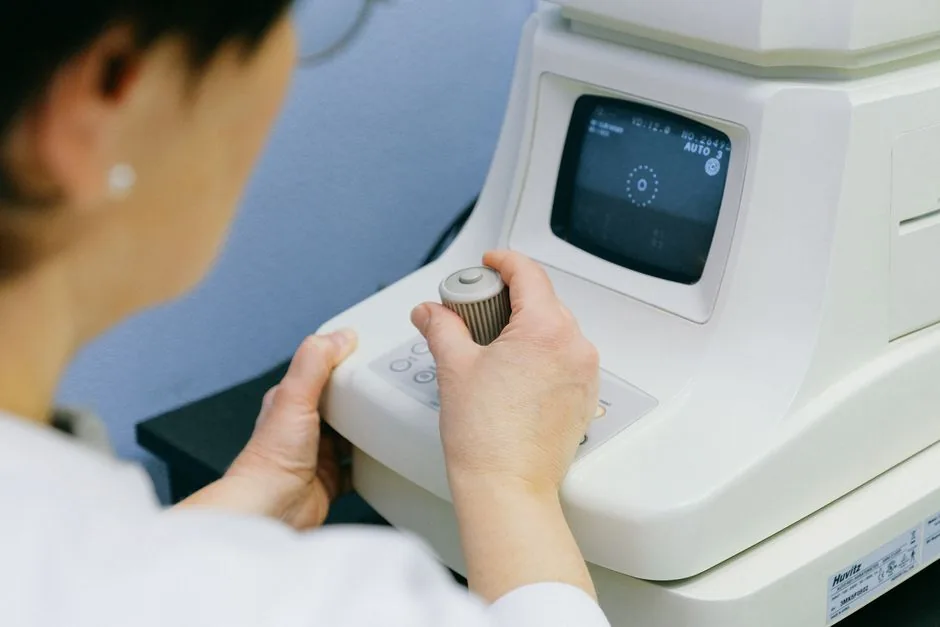
An optometrist will repeat the visual acuity test, then use a slitlamp, check eye pressure, and possibly perform a dilated retinal exam. They can also prescribe glasses or contacts if needed.
How to Choose the Right Provider
Look for a clinic affiliated with a reputable university or a certified optometrist. Checking reviews and confirming that they follow standard protocols (like those from the Royal College of Ophthalmologists) can give you extra confidence.
Conclusion
Using an eye test chart 6/6 at home is a fast, free way to screen your distance vision. By printing a reliable PDF, setting up the right distance, and following a simple stepbystep process, you can see whether you meet the normal vision of eye 6/6 standard. Remember, home testing is a helpful first step, not a substitute for professional careespecially if you notice any symptoms or read worse than 6/6. Keep your eyes healthy, stay curious, and share what you learn with friends and familyafter all, good eyesight is something we all want to protect.