Not medical advice — written by Ngoc Vietsmall, who is not a healthcare professional.
This article summarises publicly available medical information for general readers. It cannot account for your history, medication or symptoms, and it is not a diagnosis or a treatment plan. Any dose mentioned comes from published labelling or guidelines — only your own prescriber can decide what is right for you.
Always speak to a doctor or pharmacist before starting, stopping or changing any treatment. If symptoms are severe or getting worse, seek urgent care. Full disclaimer · How this is written
People with ADHD are constantly hunting for that little spark of dopaminejust enough to turn a chaotic task into a doable win. A welldesigned reward can be that spark, instantly lifting focus and mood.
Below youll find researchbacked, realworld ways to use ADHD rewards at home, school, and work, plus the pitfalls to watch so the system stays helpful, not harmful.
Why Rewards Matter
What does neuroscience say about dopamine and ADHD?
Neuroscientists agree that the ADHD brain often runs low on dopamine, the chemical that tells us this is rewarding. When you pair a task with an immediate, enjoyable payoff, you give the brain a shortcut to release that feelgood neurotransmitter. Studies show that even small, frequent rewards can light up the prefrontal cortex, the area responsible for planning and impulse control.
How does a reward differ from a punishment for someone with ADHD?
According to CHADD, punishment often triggers a stress response, which can make the brain shut down attention pathways. Rewards, on the other hand, create a positive feedback loop that encourages the brain to repeat the behavior. In short, punishment tells you dont do it, while reward says do it and feel good.
Benefits and Risks
Top 5 proven benefits of using rewards
- Improved task initiation: A clear incentive makes the start button easier to press.
- Sustained attention: Short, frequent rewards keep the mind from drifting.
- Boosted selfesteem: Success feels real when its celebrated.
- Better habit formation: Repetition paired with praise builds lasting routines.
- Reduced conflict: Everyone knows the rules, so arguments drop.
Common downsides if the system is misused
Rewards can backfire when they become the only driver of behavior. Overjustification may diminish intrinsic motivation, leading to a dependence on external incentives. If the system is too rigid, it can also increase anxietyespecially for those who already feel a constant need for stimulation. Balancing rewards with occasional natural consequences helps keep the system healthy.
Building a Reward System
| Age Group | Core Goal | Reward Types (Examples) | Frequency & Tracking |
|---|---|---|---|
| Child (512) | Boost task startup | Stickers, extra playtime, choose dinner | Daily chart, visual cue |
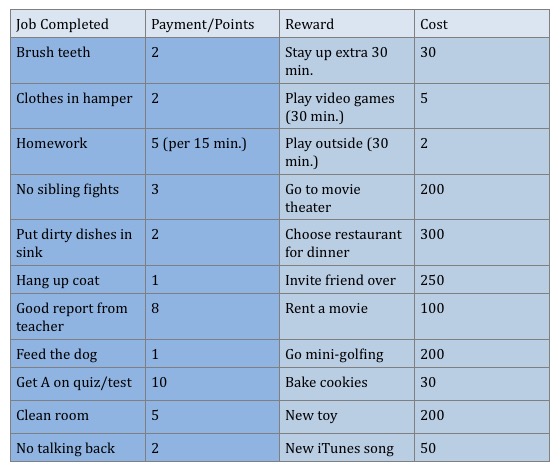
| Teen (1318) | Foster independence | Money allowance, tech time, outing vouchers | Weekly review, pointbank |
| Adult (19+) | Sustain productivity | Subscription services, gym pass, minivacation | Biweekly or projectmilestone |
How to tailor a reward system for ADHD adults?
Adults often need flexibility. The selfpay modelwhere you allocate a budget to yourself for completed tasksworks well. Choose rewards that genuinely excite you: a favorite coffee, a short streaming episode, or a quick walk in the park. Keep the rules forgiving; if you miss a day, dont scrap the whole systemjust adjust the target.
What are ADHD reward system ideas for teens?
Teens crave autonomy and novelty. Try these five ideas:
- Experience points: Earn credits toward a concert ticket.
- Sensory rewards: A favorite snack or a gaming session.
- Purchase power: Small cash allowance for a new app.
- Project perks: Extra time on a hobby after homework.
- Social boosts: A movie night with friends as a milestone reward.
StepbyStep Blueprint
1 Identify the target behavior
Be specific. Instead of do better in school, try complete math worksheet without prompting. Clear behavior makes the reward meaningful.
2 Choose a highimpact reward
Pick something that truly lights up your dopamine systemmaybe a 10minute gaming break, a favorite song, or a small treat. The reward should be immediate enough to link cause and effect.
3 Set measurable criteria (SMART)
Make sure the goal is Specific, Measurable, Achievable, Relevant, and Timebound. Example: Finish a 20minute reading session by 5pm, three times this week.
4 Create a visible ADHD reward chart
Use a printable ADHD reward chart or a simple whiteboard. Colorful stickers or checkmarks work wonders for visual learners.
5 Review & adjust every 24weeks
Check whats working. Are the rewards still exciting? Does the frequency need tweaking? A short reflection session keeps the system responsive and prevents stagnation.
Discipline Charts & Consequences
When to use ADHD discipline charts vs. pure rewards?
If a behavior consistently falls short despite rewards, a discipline chart can add structure without feeling punitive. Pair a reset consequence (like a brief loss of screen time) with a clear path back to earning rewards.
Sample ADHD consequence vs. reward matrix
| Behavior | Consequence | Reward Path |
|---|---|---|
| Missed deadline | Lose 10minutes of leisure | Earn extra 15minutes after completing the next task |
| Completed task early | Earn bonus point for weekend activity |
Natural consequences (like a missed playdate) are usually more effective than arbitrary punishments because theyre directly tied to the behavior.
RealWorld Examples
Case A Child improves homework completion
Eightyearold Maya struggled with homework. Her parents introduced a sticker chart rewarding each completed assignment with a star. After four weeks, her homework completion jumped by 40%. The visual progress and tiny celebrations kept her motivated.
Case B College student boosts assignment finish rate
Jake, a university senior with ADHD, set up a selfpay system: $5 for every essay submitted on time. He saved the cash in a jar for a weekend trip. Over a semester, his ontime submissions rose from 60% to 92%.
How personal experience shapes the system
From my own teenage years, I remember a simple extra 30minute gaming session after finishing a science project. It felt like a celebration, not a chore. That memory drives the advice here: keep rewards fun and relevant.
Trusted Resources
For deeper dives, consider these reputable sources:
- CHADD (Children and Adults with AttentionDeficit/Hyperactivity Disorder)
- ADDitude Magazine offers practical tips and research summaries
- Peerreviewed studies in the Journal of Attention Disorders
These organizations provide evidencebased guidance, printable charts, and professional directories if you need a therapists help to finetune your system.
Conclusion
Using ADHD rewards isnt a magic fix, but when paired with clear expectations and occasional balanced consequences, it can turn never enough into just right. Start smallpick one behavior, choose a reward that truly excites you, and track it on a visible chart. Within weeks youll see focus sharpen, motivation rise, and confidence bloom.
Ready to give it a try? Download a free starter chart, experiment with the blueprint, and watch how a little dopamine boost can make a big difference. If you have questions or want to share whats worked for you, feel free to reach outyoure not alone on this journey.