Not medical advice — written by Ngoc Vietsmall, who is not a healthcare professional.
This article summarises publicly available medical information for general readers. It cannot account for your history, medication or symptoms, and it is not a diagnosis or a treatment plan. Any dose mentioned comes from published labelling or guidelines — only your own prescriber can decide what is right for you.
Always speak to a doctor or pharmacist before starting, stopping or changing any treatment. If symptoms are severe or getting worse, seek urgent care. Full disclaimer · How this is written
If youve ever squinted at a street sign and wondered whether a clouded lens is to blame, the answer is simpler than you might think: a brief eye exam or a trusted selftest can reveal cataracts before they steal your sight. Below youll find the exact steps doctors use, safe athome tools you can try, what the results really mean, and when to consider surgery or nonsurgical optionsso you can act with confidence.
Lets dive in together, no fluff, just the clear, friendly guidance you need to understand how to test for cataracts and take the right next steps.
Why Test Matters
Early detection protects your vision
Imagine cataracts as a slowly frosting window. The longer you wait, the thicker the frost becomes, and the harder it is to see clearly. Spotting cataracts early gives you a bigger window of time to choose the best treatmentwhether thats glasses, lifestyle tweaks, or surgery. Studies from the American Academy of Ophthalmology show that patients who have cataracts removed within the golden window (before vision drops below 20/40) typically enjoy faster recovery and better visual outcomes.
Balancing benefits and risks
Testing isnt just about confirming a diagnosis; its about weighing the comfort of knowing early against the anxiety of a false alarm. A professional exam is the gold standard, but reputable selftests can be a useful first glance. The key is to treat any athome result as a prompt to book a comprehensive exam, not as a final verdict.
Expert tip
Ask your eye doctor about the slitlamp examthe most reliable way to see the exact type and severity of cataract, according to a recent Mayo Clinic guide.
Professional Eye Exams
Slitlamp examination
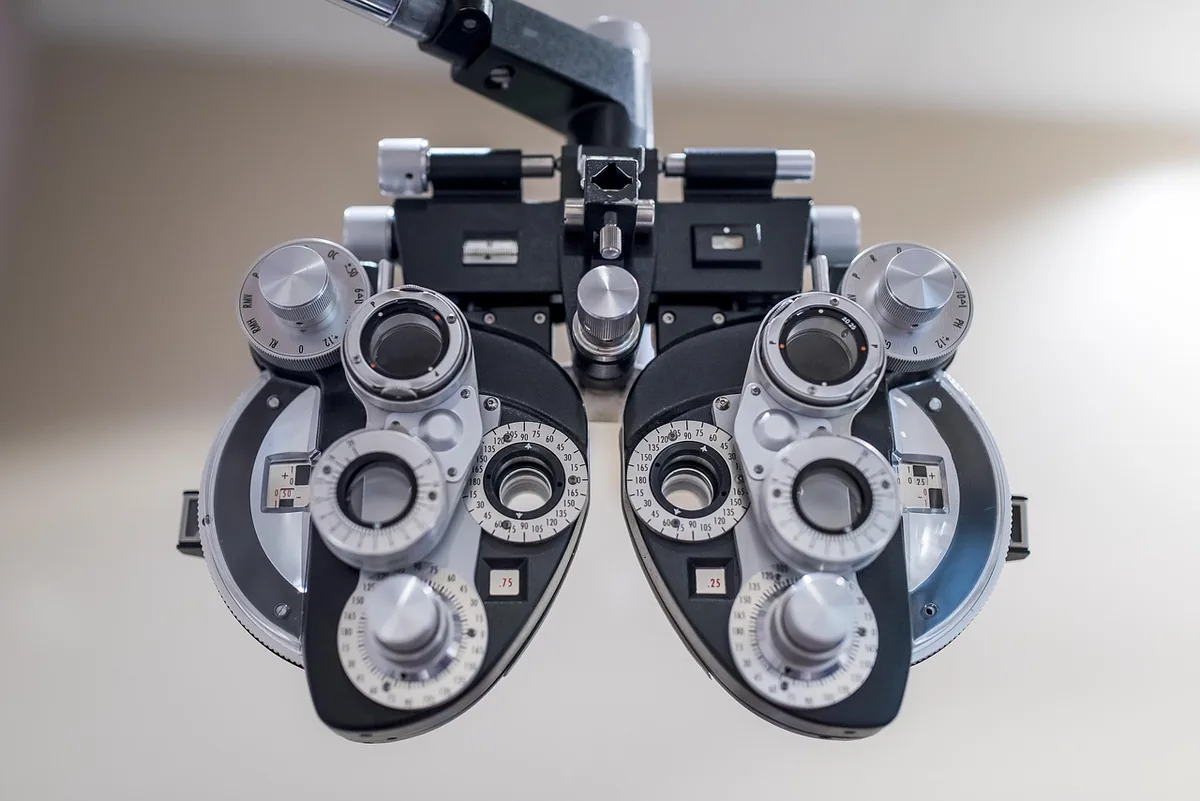
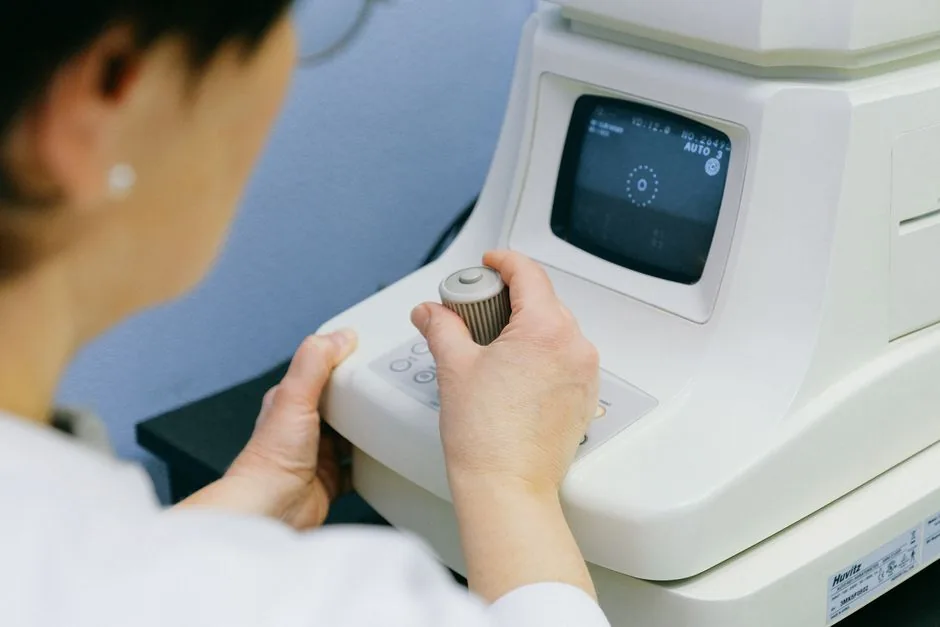
This is the microscopelike tool eye specialists use to shine a focused beam of light into your eye. After dilating drops widen the pupil, the doctor can see the lens from every angle, spotting opacities, swelling, or discoloration. The slitlamp can differentiate among the three main cataract typesnuclear, cortical, and posterior subcapsularproviding a precise diagnosis.
Stepbystep of a slitlamp exam
- Doctor applies dilating drops (usually a 30minute wait).
- You sit in front of the slitlamp; a narrow beam of light sweeps across your eye.
- The doctor watches the lens on a magnified view, noting any cloudiness.
- Findings are recorded as part of your cataract eye exam findings.
Visual acuity test & cataract eye test chart
Most clinics use a standard eye chart, but some provide a special cataract eye test chart with larger letters and contrast patterns designed to highlight the glare that cataracts cause. Youll be asked to read letters from a set distance, and the score helps gauge how much the cataract is affecting sharpness.
Ophthalmoscopy (fundus exam)
With a handheld ophthalmoscope, the doctor looks through the pupil to examine the retina and the back of the lens. While primarily used for retinal health, it can also reveal early lens changes that suggest cataract development.
Tonometry (eyepressure test)
Although tonometry measures intraocular pressure, its sometimes paired with cataract screening because high pressure can cooccur with certain types of lens opacity. Its a quick, painless puff of air or a small probe that gives another data point for your eye health.
DIY Home Tests
Online selftest for cataracts
Several reputable eye clinics host a free cataract selftest on their websites. The test usually asks you a series of simple questions about night glare, double vision, and color perception, then shows you a series of images to identify halo effects. While not a replacement for a professional exam, the results can signal whether a visit is overdue.
How to access the free test
Search for cataract selftest from a trusted medical institution, follow the onscreen instructions, and note any redflag answers. Remember: if the test suggests a possible cataract, schedule an eye doctor appointment within a few weeks.
Simple athome visionchart test
Print a standard Snellen chart or a dedicated cataract eye test chart on a piece of paper (you can find printable versions on many health sites). Hang it 10 feet away on a plain wall, stand with one eye covered, and read the smallest line you can see clearly. If you struggle with letters that used to be easy, it might be time to get checked.
Scoring guide
- 20/20 Perfect vision (no immediate concern).
- 20/30 Slight reduction, monitor for changes.
- 20/40 or worse Strongly consider a professional exam.
Redlight & glare test
In a dimly lit room, shine a small flashlight briefly at the center of your eye (never stare directly). People with cataracts often see a bright, hazy circle or starburst effect. This quick check can hint at lens clouding, but use it only as a curiosity toolnot a diagnosis.
Safety note
Dont look directly into the light for more than a few seconds, and avoid using highintensity beams that can irritate the eye.
Reading Test Results
Common cataract eye exam findings
When a doctor notes cataract presence, they typically describe:
- Nuclear sclerosis: A yellowish haze in the central lens, often linked with aging.
- Cortical spokes: Cloudy, wedgeshaped opacities radiating from the lens edge.
- Posterior subcapsular cataract: A small, opaque spot near the back of the lens that causes glare, especially at night.
What does vision look like with cataracts?
People often describe it as looking through a frosted glass window. The most common complaints are:
- Glare from headlights or bright sunlight.
- Halos around lights, especially at night.
- Reduced contrast, making it hard to distinguish shades of gray.
- Colors appearing less vivid, sometimes taking on a yellowish tint.
One patient, Maria, 68, told me she first noticed a halo around my kitchen lights and a mushy feeling when reading the newspaper. After an exam, her doctor confirmed an early posterior subcapsular cataract, and she opted for surgery the following month.
Differentiating cataracts from other eye problems
Cataracts can mimic symptoms of macular degeneration, dry eye, or even simple prescription changes. A professional exam distinguishes them by directly visualizing the lens, while a selftest cant tell the difference. Thats why any concerning result should be followed up with an eye doctor.
What To Do Next
When to schedule a comprehensive eye exam
If you notice any of the following, book an appointment promptly:
- Rapid worsening of vision.
- Sudden increase in glare or halos.
- Eye pain, redness, or flashes of light.
- Any positive result from a selftest or athome chart.
Treatment pathways
Cataract surgery what to expect
Modern cataract surgery is an outpatient procedure lasting about 15 minutes. The cloudy lens is replaced with a clear artificial intraocular lens (IOL). Success rates exceed 95%, and most patients report 20/20 vision after recovery. Recovery usually involves a week of mild irritation and a few followup visits.
Cataract treatment without surgery
When surgery isnt immediately necessary, doctors may suggest:
- Prescription glasses or magnifiers to improve focus.
- UVblocking sunglasses to slow cataract progression.
- Antiglare lenses for computer and nighttime driving.
- Lifestyle changesquitting smoking, controlling diabetes, and eating leafy greens rich in antioxidants.
According to the American Academy of Ophthalmology, these nonsurgical measures can help preserve vision for years, especially in earlystage cataracts.
Preparing for surgery
If you and your surgeon decide on an operation, heres a quick checklist:
- Complete any required preop eye drops (usually antiinflammatory).
- Arrange transportation for the day of surgery.
- Discuss IOL optionsstandard monofocal, multifocal, or toric lenses for astigmatism.
- Plan a period of rest; avoid heavy lifting for a week.
Quick Recap
Testing for cataracts starts with a simple visual checkwhether its a professional slitlamp exam or a trusted free cataract selftest. Early detection lets you choose the best path, from glasses and UV protection to the highly successful cataract surgery. Remember, any athome result is just a signal to see your eye doctor for a definitive diagnosis.
Take charge of your vision today: try an athome chart, note any new glare, and schedule that comprehensive exam if something feels off. Your eyes deserve that care, and you deserve the confidence that comes with clear sight.