Not medical advice — written by Ngoc Vietsmall, who is not a healthcare professional.
This article summarises publicly available medical information for general readers. It cannot account for your history, medication or symptoms, and it is not a diagnosis or a treatment plan. Any dose mentioned comes from published labelling or guidelines — only your own prescriber can decide what is right for you.
Always speak to a doctor or pharmacist before starting, stopping or changing any treatment. If symptoms are severe or getting worse, seek urgent care. Full disclaimer · How this is written
If your little one suddenly starts vomiting, has watery diarrhea, or looks like they’ve got a mini‑stomach ache, chances are you’re dealing with norovirus. It hits fast, usually lasts a couple of days, and the kid can keep spreading it for up to two days after they feel better. Knowing the tell‑tale signs, how long it sticks around, and what to do at home can keep your toddler comfortable and protect the rest of the family.
Why does this matter? Because toddlers dehydrate quickly. A little extra care now can prevent a trip to the ER later, and it saves everyone from catching the bug. Let’s walk through everything you need to know, step by step, like a friend who’s been there.
Spotting the Signs
Core symptoms to watch for
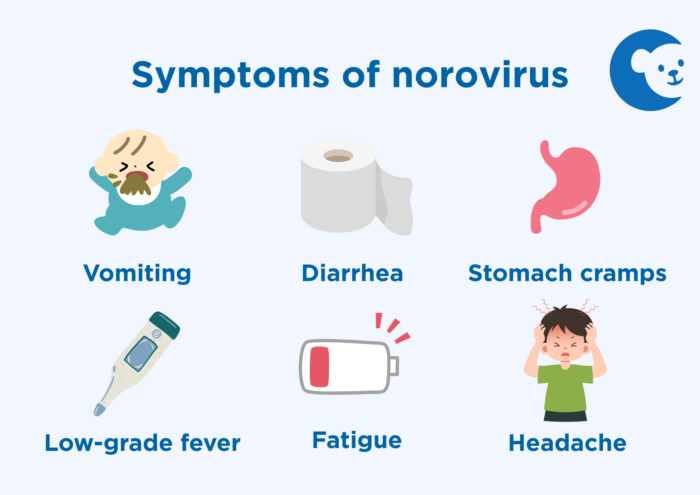
Norovirus in toddlers usually shows up with a tight‑knit trio:
- Vomiting – Often the first symptom, and it can come in rapid bursts.
- Watery diarrhea – Expect three to five loose stools a day, bright yellow or clear, with a strong odor.
- Stomach cramps – Your child may cling to their belly, look uneasy, or be unusually fussy.
A low‑grade fever (under 101°F), mild headache, or body aches can accompany the gut havoc, but they’re not always present.
How it differs from other bugs
It’s easy to mix norovirus up with a regular “stomach flu” or food poisoning. Here’s a quick cheat‑sheet:
- Onset – Norovirus hits within 12‑48 hours of exposure, much faster than most bacterial infections.
- Duration – Symptoms typically resolve in 1‑3 days, while rotavirus or bacterial gastroenteritis can linger longer.
- Spread – Norovirus spreads person‑to‑person more readily than many food‑borne toxins.
Real‑world example
“My 18‑month‑old started vomiting after a playdate. Within an hour, the diaper was full of the classic watery poop, and she was super cranky. That sudden, all‑in‑one pattern is exactly what we see with norovirus,” says a mom who shared her story on a parenting forum.
How Long It Lasts
Typical toddler duration
Most toddlers experience norovirus toddler duration of 1‑3 days of vomiting and diarrhea. Some kids may have milder symptoms on the fourth day, but the worst is usually over by then.
When are you contagious?
According to the CDC, a person remains contagious from the moment symptoms appear until at least 48 hours after the stool returns to normal. So, even if your child looks fine, they could still spread the virus for a couple of days.
Quick reference table
| Phase | Symptom | Contagious? |
|---|---|---|
| Onset (0‑12 h) | Vomiting, diarrhea | Yes |
| Peak (12‑48 h) | Most intense vomiting/diarrhea | Yes |
| Recovery (48‑72 h) | Fewer stools, still watery | Yes |
| Post‑recovery (≥ 48 h after normal stool) | No symptoms | No |
Red‑flag signs of dehydration
Watch for these warning lights:
- Dry mouth or lips
- No tears when your toddler cries
- Sunken eyes or cheeks
- Fewer than four wet diapers in 24 hours
- Very weak urine (dark yellow)
If any of these appear, call your pediatrician right away.
Treating Your Toddler
Rehydration is #1
Oral rehydration is the cornerstone of how to treat norovirus in toddlers. Commercial Oral Rehydration Solutions (ORS) are best, but a simple homemade mix works if you’re in a pinch: ½ teaspoon of sugar plus ¼ teaspoon of salt dissolved in 1 cup of clean water.
Step‑by‑step rehydration plan
- Offer 1‑2 oz (about a quarter cup) every 10‑15 minutes.
- Gradually increase to ½ cup every hour as your child keeps it down.
- Track diaper output – aim for at least four to six wet diapers a day.
- Continue offering breast‑milk or a clear broth if they’re still nursing.
When to call the doctor
Even with the best home care, there are moments you need professional help:
- Vomiting that lasts more than 24 hours
- Diarrhea persisting beyond 48 hours
- Any sign of dehydration listed above
- Fever higher than 101.5 °F (38.6 °C)
- Sudden change in behavior – very lethargic or unusually irritable
Medications and myths
Norovirus is a virus, so antibiotics won’t help. Anti‑diarrheal medicines (like loperamide) are not recommended for children under two, per the Mayo Clinic. Stick with fluids, rest, and watchful care.
Kids vs Adults
Symptom comparison
| Age Group | Common Symptoms | Typical Duration | Contagious Period |
|---|---|---|---|
| Toddlers (≤ 3 y) | Vomiting + watery diarrhea, stomach cramps | 1‑3 days | 48 h after stool normal |
| Adults | Same core symptoms, often milder stomach pain, headache | 1‑2 days | 48 h after stool normal |
Why kids get sicker
Little bodies have less fluid reserve, so they become dehydrated faster. Their immune systems are still learning how to fight off viruses, making the gastrointestinal upset feel more intense.
Stopping the Spread
Hand‑washing protocol
Make it a habit: soap and warm water for at least 20 seconds after every diaper change, bathroom visit, and before any meals. Sing “Happy Birthday” twice to time it out.
Disinfection checklist
- Wipe down toys, countertops, and bathroom fixtures with a bleach solution (1 tablespoon bleach per quart of water).
- Wash clothing, bedding, and towels in hot water (≥ 60 °C or 140 °F) and dry on high heat.
- Use disposable gloves when cleaning up vomit or diarrheal messes, and discard them promptly.
Isolation at home
Keep your toddler away from daycare, preschool, or other group settings until they’ve been symptom‑free for at least 48 hours. If possible, assign a separate bathroom for the sick child. The goal is to break the chain of transmission.
Special note for babies under 1
Norovirus in babies under 1 can look a bit different – the “baby poop” may be especially pale or yellow, and the stools can be more frequent. Because infants can’t tell you when they’re thirsty, you’ll need to be extra vigilant about offering fluids and watching for dehydration signs.
Putting It All Together
Norovirus may feel like a sudden storm, but with the right knowledge you can weather it calmly. Spot the classic combo of vomiting, watery diarrhea, and tummy cramps early, keep your little one hydrated with ORS, and stay alert for any dehydration warnings. Remember that the virus stays contagious for about two days after symptoms fade, so keep hand‑washing, surface cleaning, and isolation on your radar.
When you’re unsure, don’t hesitate to reach out to your pediatrician – they’re the best ally for you and your child. And if you’ve navigated a norovirus episode before, sharing your tips could help another parent avoid a sleepless night.
What’s your biggest challenge when dealing with a stomach bug at home? Drop a comment below, ask any lingering questions, or share a story. We’re all in this together, and together we’ll keep our toddlers healthy and happy.