Not medical advice — written by Ngoc Vietsmall, who is not a healthcare professional.
This article summarises publicly available medical information for general readers. It cannot account for your history, medication or symptoms, and it is not a diagnosis or a treatment plan. Any dose mentioned comes from published labelling or guidelines — only your own prescriber can decide what is right for you.
Always speak to a doctor or pharmacist before starting, stopping or changing any treatment. If symptoms are severe or getting worse, seek urgent care. Full disclaimer · How this is written
Short answer: yes. Even if your blood pressure reads normal, a stroke can still sneak up on you. Its less common than the classic hypertensionrelated stroke, but other culpritslike clotting disorders, cholesterol, genetics, or certain medicationscan tip the scales. Below well untangle why this happens, answer the questions youre probably scrolling for, and give you practical steps to stay safe.
Why Blood Pressure Matters
What does normal blood pressure really mean?
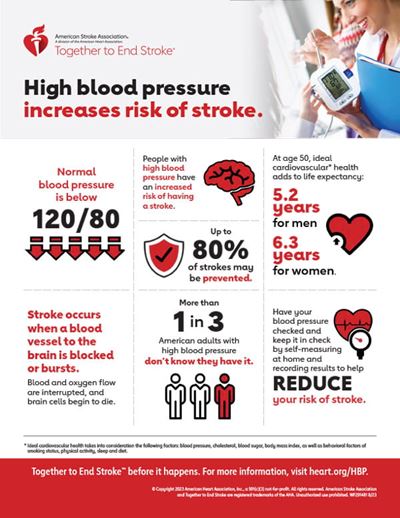
Doctors usually call a reading between 90120 systolic and 6080 diastolic mmHg normal. Those numbers are a comforting range, but theyre just a snapshot of one moment. Think of blood pressure like a traffic lightit tells you the current flow, not the whole road condition.
How high pressure damages vessels
When the pressure climbs above the normal range, it pushes on artery walls, causing them to stiffen over time. Imagine a garden hose left on full blast; eventually the rubber weakens and leaks. That weakness makes it easier for plaque to build up, for clots to form, and ultimately for a stroke to occur.
How many strokes happen with normal readings?
Studies from the American Heart Association show that roughly 1012% of strokes happen in people whose blood pressure stays within the normal bracket. In other words, while most strokes are tied to hypertension, a noticeable slice happens for other reasons.
How Strokes Occur
Ischemic vs. hemorrhagic strokes in normotensive people
About 85% of all strokes are ischemiccaused by a clot blocking blood flow. Even if your BP is normal, a clot can form elsewhere (like the heart) and travel to the brain. Hemorrhagic strokes, where a vessel bursts, are rarer in lowBP folks but not impossibleespecially if a hidden aneurysm is present.
NonBP risk factors that can trigger a stroke
Heartrelated sources: atrial fibrillation and emboli
Afib is a sneaky arrhythmia that can fling clots from the heart straight into the brain. Its a major stroke driver, even if your blood pressure looks perfect on paper.
Bloodclotting disorders and lifestyle
Conditions like Factor V Leiden, prolonged travel, or even taking oralcontraceptive pills can make your blood extra sticky. Those sticky scenarios can happen at any BP.
Cholesterol and lipids
Elevated LDL or low HDL can accelerate plaque buildup in arteries, narrowing the path for blood. A stroke can strike when a plaque ruptures and a clot forms, regardless of blood pressure.
Diabetes, obesity, metabolic syndrome
High blood sugar and excess weight strain vessels, increase inflammation, and promote clottingall pathways to stroke that dont require high pressure.
Inflammatory diseases
Autoimmune conditions like vasculitis directly inflame arteries, weakening walls and making them prone to rupture or blockage.
What about ministrokes (TIA) with normal blood pressure?
A transient ischemic attack (TIA) feels like a brief neurological glitchlike a brain blink. Even with normal BP, the same clotorplaque mechanisms can cause a TIA, and its a serious warning sign that a fullblown stroke may be on the horizon.
Common Questions Answered
Can a heart attack occur with normal blood pressure?
Absolutely. A heart attack is usually about a blocked coronary artery, not the pressure pushing against the vessel wall. If a clot forms in a coronary artery, you can have a heart attack even if your BP reads 115/70 mmHg.
Can bloodpressure meds mask stroke warning signs?
Some antihypertensives lower the headache or pressure feeling that might alert you to a problem. This can make it trickier to notice early symptoms, so staying vigilant about any sudden weakness, speech trouble, or vision changes is vital.
Is normal cholesterol enough protection?
No. Even if your cholesterol numbers sit in the desirable range, other factorslike genetic LDL receptors or high triglyceridescan still pave the way to a stroke.
What is a strokelevel blood pressure for a woman?
Women often experience stroke at slightly lower BP thresholds than men. Research suggests that risk climbs noticeably once systolic pressure hits 130mmHg in women, especially after menopause. But again, stroke can happen below that if other risks stack up.
How high does blood pressure have to be to cause a stroke?
Risk rises sharply above 130/80mmHg, and the danger spikes past 160/100mmHg. Yet, the normal range isnt a guaranteethink of it as a safety net, not a guarantee of immunity.
Can you have a TIA with normal blood pressure?
Yes. A TIA is essentially a temporary blockage, often caused by a clot that dissolves quickly. Blood pressure isnt the primary driver; clot source and vessel health are.
Balancing Risks & Benefits
Why controlling high pressure still matters
If you have hypertension, lowering it reduces the strain on your vessels, slashes the chance of plaque rupture, and cuts stroke risk dramatically. Its like turning down the volume on a constantly blaring speakeryour ears (or arteries) thank you.
The danger of false security with normal readings
Seeing a normal number can lull you into complacency, making you skip cholesterol checks or ignore family history. That false sense of safety is a hidden trap.
Assessing overall stroke risk beyond blood pressure
Use a risk calculator (like the one from the American Stroke Association) that weighs age, sex, smoking, diabetes, cholesterol, and family history. This gives you a fuller picture than BP alone.
Everyday Prevention Tips
Regular screening beyond blood pressure
Get your cholesterol, A1C, and, if indicated, a clotting panel checked at least annually. These numbers help catch hidden threats before they erupt.
Diet and exercise that protect the whole system
The Mediterranean dietrich in olive oil, fish, nuts, and fresh veggieslowers both cholesterol and inflammation. Pair it with 150 minutes of moderate cardio each week, and youre giving your arteries a daily tuneup.
Medication awareness
Which antihypertensives might hide symptoms?
Betablockers can blunt the pounding heart youd normally feel during a heart issue, potentially masking early warning signs. Talk to your doctor about monitoring strategies if youre on one.
Anticoagulants and stroke prevention
If you have atrial fibrillation or a clotting disorder, doctors may prescribe anticoagulants (like apixaban). These meds dont lower blood pressure, but they stop clots from forminga key strokeprevention move.
When to call a doctorno matter your BP
If you notice sudden weakness on one side, slurred speech, vision loss, severe headache, or dizziness, treat it as an emergency. Time is brain, and every minute counts.
Real Stories & Insights
Mikes story: a normal BP stroke
Mike, a 52yearold accountant, always bragged about his perfect 118/72 readings. One morning, he woke with numbness in his right hand and difficulty speaking. A CT scan revealed an ischemic stroke caused by a clot that originated from an undiagnosed atrial fibrillation episode. After the event, Mikes cardiologist placed him on a gentle anticoagulant, and his BP stayed normalbut now his overall risk profile is managed.
Expert insight: Dr. Lila Patel, neurologist
Blood pressure is a major risk factor, but its not the whole story, Dr. Patel explains. When patients think my BP is fine, Im safe, they often overlook cholesterol, family history, or silent heart rhythm issues. A comprehensive assessment saves lives.
Community voice: common misconceptions
On health forums, many people share the belief that a normal BP means they can ignore other tests. The consensus is shifting, with more users acknowledging the need for a full lipid panel and occasional heart rhythm monitoring.
Myth Busting Section
Myth 1: If my BP is normal, Im immune to stroke.
Reality: Normal BP reduces risk, but 12% of strokes occur in normotensive individuals due to other factors.
Myth 2: Low blood pressure cant cause a stroke.
Reality: Extremely low BP can lead to insufficient brain perfusion, especially in older adults, which can mimic or precipitate strokelike symptoms.
Myth 3: Only smokers get strokes.
Reality: Smoking is a strong risk, but nonsmokers with high cholesterol, diabetes, or clotting disorders are also vulnerable.
| Question | OneSentence Answer |
|---|---|
| Can you have a stroke with normal blood pressure? | Yes; up to 12% of strokes happen in people whose BP stays within the 90120/6080mmHg range. |
| How high does blood pressure need to be to cause a stroke? | Risk rises sharply above 130/80mmHg, but strokes can still occur at lower readings if other risk factors exist. |
| Can you have a heart attack with normal blood pressure? | Yes; a heart attack is driven by coronary blockage, not solely by bloodpressure levels. |
Conclusion
Normal blood pressure is a good sign, not an ironclad shield. Strokes can still happen thanks to hidden clots, cholesterol, heart rhythm issues, or genetic quirks. By looking at the whole picturescreening regularly, eating like a Mediterranean, staying active, and listening to your bodyyou can keep the odds stacked in your favor. If anything feels off, even with a perfect BP reading, reach out to a healthcare professional right away. Your brainand your loved oneswill thank you.