Not medical advice — written by Ngoc Vietsmall, who is not a healthcare professional.
This article summarises publicly available medical information for general readers. It cannot account for your history, medication or symptoms, and it is not a diagnosis or a treatment plan. Any dose mentioned comes from published labelling or guidelines — only your own prescriber can decide what is right for you.
Always speak to a doctor or pharmacist before starting, stopping or changing any treatment. If symptoms are severe or getting worse, seek urgent care. Full disclaimer · How this is written
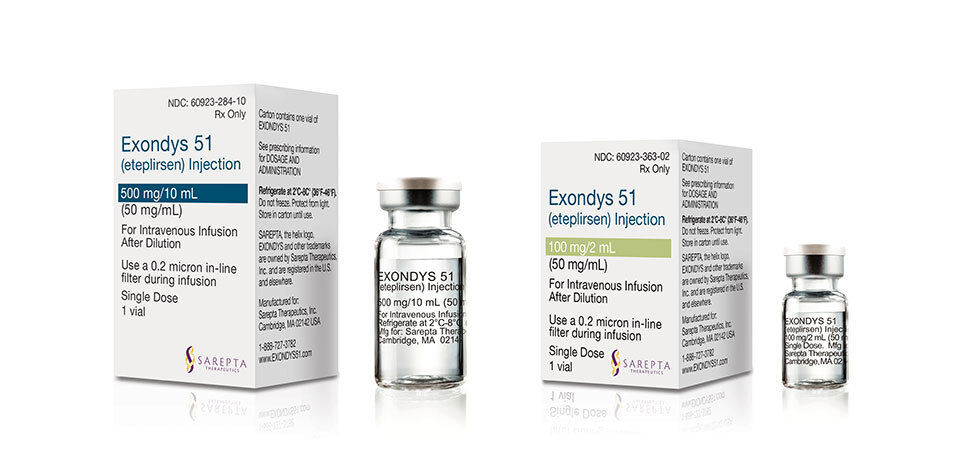
Here’s the short answer: according to the FDA‑approved label, the recommended dose of Exondys 51 (eteplirsen) is **30 mg per kilogram of body weight, administered once weekly as a 35‑ to 60‑minute IV infusion**. The information below explains how that dose is derived from the label, why it was chosen, what safety information is available, and how its cost compares with other exon‑skipping therapies like Vyondys 53. This is for educational purposes only—always discuss your or your loved one’s specific treatment plan with the prescribing clinician.
Quick Answer – Dosage
Exact Prescribed Dose
The official label states a fixed dose of 30 mg/kg once weekly, with no loading dose or titration. The amount is based on the patient’s weight, and the label specifies an infusion duration of 35–60 minutes. Only the patient’s own prescriber can determine the appropriate dose for that individual.
How to Calculate the Dose
| Patient Weight | Label‑Calculated Dose (mg) | Label Example Vial Combination |
|---|---|---|
| 40 kg (≈88 lb) | 1 200 mg | 2 × 500 mg vials + 1 × 100 mg vial |
| 70 kg (≈154 lb) | 2 100 mg | 4 × 500 mg vials – 1 × 100 mg vial |
| 100 kg (≈220 lb) | 3 000 mg | 6 × 500 mg vials |
The table above illustrates the label’s calculation examples for informational purposes. Because the drug is supplied in 100 mg and 500 mg vials, the label notes that clinicians may round to the nearest 100 mg to match vial strengths. The label advises that the final calculation be verified by the clinician and pharmacy—never attempt to calculate or adjust the dose on your own.
How Exondys Works
Mechanism of Action
Exondys 51 contains eteplirsen, an antisense oligonucleotide that binds to exon 51 of the dystrophin gene. By “skipping” that exon during mRNA processing, the drug enables the body to produce a shortened but partially functional dystrophin protein. Think of it as a clever editing trick that lets the muscle cells read the genetic script just well enough to make a functional—if not perfect—protein.
Why the 30 mg/kg Dose Matters
Evidence from clinical studies suggests that the 30 mg/kg weekly regimen produced a measurable increase in dystrophin levels compared with lower‑dose arms. A study published in *Molecular Therapy* reported increases that correlated with modest improvements in the six‑minute walk test. In short, the approved dose is the one for which the label indicates a balance between efficacy and safety.
Exondys 51 vs. Vyondys 53
Both drugs share the same dosing strategy—30 mg/kg once weekly—but they target different exons. Vyondys 53 (golodirsen) skips exon 53, making it an option for a separate subset of Duchenne muscular dystrophy (DMD) patients. The similarity in dosing means the infusion logistics are alike, yet the clinical outcomes differ because they address distinct genetic mutations.
FDA Approval Details
Approval History
Exondys 51 received accelerated approval from the U.S. Food and Drug Administration in September 2016 under the FDA label. The agency granted approval based on surrogate endpoints—specifically, the increase in dystrophin protein—because there was an unmet medical need for DMD patients amenable to exon 51 skipping.
Key Label Statements
- “Do not exceed 30 mg/kg once weekly.”
- Infuse over 35–60 minutes using a 0.2‑micron inline filter.
- Monitor liver enzymes (AST/ALT) and renal function before and during therapy.
Where to Find the Official Prescribing Information
All the details you’ll ever need are in the FDA‑approved prescribing information, which you can download from the FDA website. That PDF is the gold standard if you want to verify dosage limits, contraindications, or infusion practices.
Safety & Side Effects
Common Adverse Reactions
The most frequently reported side effects include:
- Headache
- Fever
- Nausea
- Infusion‑site reactions (redness, swelling)
- Elevated liver enzymes
These events are usually mild and manageable with pre‑medication or a brief pause in the infusion, as directed by the care team.
Monitoring Recommendations
Before each infusion, clinicians check vital signs and perform a quick visual inspection of the IV site. Blood work is drawn at baseline, then every three months to keep an eye on liver function and kidney health. If labs spike, the infusion may be delayed until the values normalize.
Managing an Infusion Reaction
Should an allergic‑type reaction arise—hives, wheezing, or a sudden drop in blood pressure—the infusion must be stopped immediately. The nurse will administer antihistamines or epinephrine as needed, then reassess. Most patients can resume therapy after the episode resolves, often with a small pre‑medication adjustment.
Real‑World Experience
One family shared that their 12‑year‑old son experienced a mild fever after his third infusion. A quick dose of acetaminophen and an extra 10‑minute observation period solved the issue, and the weekly schedule continued without further hiccups. Stories like this illustrate that, while side effects exist, they’re generally predictable and treatable under medical supervision.
Cost & Insurance
What’s the Price Tag?
The wholesale acquisition cost for Exondys 51 is substantial—often reported in the hundreds of thousands of dollars per year—reflecting the high cost of manufacturing antisense oligonucleotides and the limited patient pool.
Comparison with Vyondys 53 and Other Therapies
| Drug | Approx. Annual Cost | Approved Indication |
|---|---|---|
| Exondys 51 | Substantial | DMD amenable to exon 51 skipping |
| Vyondys 53 | Also substantial (varies by payer) | DMD amenable to exon 53 skipping |
Insurance Navigation Tips
Getting coverage can feel like a maze, but a solid prior‑authorization packet makes all the difference. Include:
- A physician’s letter stating the genetic test result (exon 51 amenable)
- Relevant excerpts from the FDA label
- Documentation of the patient’s functional status
- Any prior‑treatment history
Sarepta’s “Patient Support Services” program offers financial assistance for eligible families. It’s worth calling their helpline early in the process to explore co‑pay relief or charitable grants.
Practical Administration
Step‑by‑Step Infusion Prep
- Confirm the patient’s weight on the day of infusion.
- Calculate the exact dose (30 mg/kg) using the table above.
- Dilute the required vials in sterile 0.9% saline to a final volume of ≤ 250 mL.
- Insert a 0.2‑micron inline filter into the line (as mandated by the FDA label).
- Program the infusion pump for a 35–60‑minute run.
- Monitor the patient’s vitals before, during, and after the infusion.
These steps are drawn from the label’s instructions for healthcare professionals. The actual preparation and administration must be performed by a qualified clinician.
Infusion‑Site Best Practices
Rotate peripheral IV sites every few weeks to avoid irritation. If you notice any redness or swelling, alert the nurse right away—early detection prevents larger complications.
What to Keep Nearby
During the infusion, it helps to have a few comfort items on hand: a water bottle, a favorite book or tablet, and the phone number of your clinic’s nurse line. Some families even bring a calming playlist to keep the atmosphere relaxed.
FAQs You Might Be Wondering About
Can the dose be increased above 30 mg/kg? The label states that exceeding 30 mg/kg is not permitted and could raise safety concerns.
Is a loading dose required? No, the label does not call for a loading dose; therapy begins directly at the weekly 30 mg/kg dose.
Can Exondys 51 be given at home? Yes, provided a qualified infusion nurse follows the label guidelines.
What filters are required? A 0.2‑micron inline filter is mandatory for every infusion per the label.
How long does each infusion last? Between 35 and 60 minutes, depending on pump settings and patient tolerance.
Conclusion
Understanding what the FDA‑approved label says about the exondys 51 dosage—30 mg per kilogram, once a week—is a helpful starting point for discussions with the care team about DMD treatment. By reviewing the label’s calculation, safety information, and cost considerations, you can feel more prepared to ask informed questions. If you’re navigating insurance hurdles, reach out to Sarepta’s patient‑support team early; if you have concerns about side effects, keep an open line with your neurologist. Knowledge is power—and this information is meant to support, not replace, the guidance of the clinicians who know your or your loved one’s individual health needs.