Not medical advice — written by Ngoc Vietsmall, who is not a healthcare professional.
This article summarises publicly available medical information for general readers. It cannot account for your history, medication or symptoms, and it is not a diagnosis or a treatment plan. Any dose mentioned comes from published labelling or guidelines — only your own prescriber can decide what is right for you.
Always speak to a doctor or pharmacist before starting, stopping or changing any treatment. If symptoms are severe or getting worse, seek urgent care. Full disclaimer · How this is written
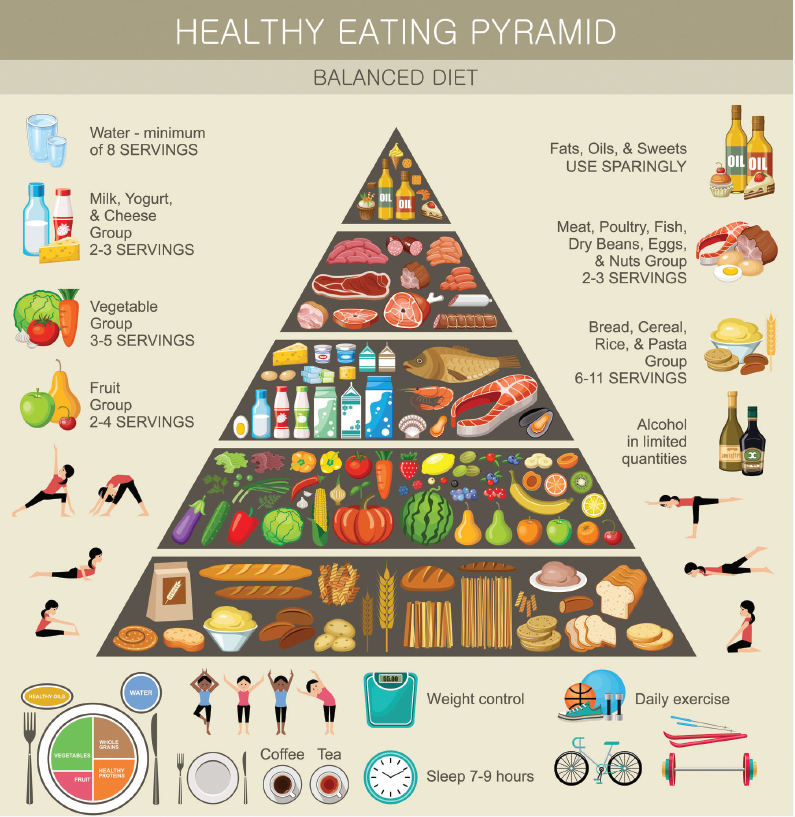
Most people don’t realize that the foods you eat can actually help protect the delicate walls of your arteries, whether you’re dealing with a brain aneurysm, an abdominal aortic aneurysm, or an ascending aortic aneurysm. The good news? You don’t need a complicated “miracle diet” to make a difference – just a few smart choices, a bit of planning, and the right lifestyle habits.
In the next few minutes I’ll walk you through exactly what an aneurysm diet looks like, why it matters, which foods you should welcome (and which to kick to the curb), and even a printable 7‑day meal plan you can start using tonight. Think of this as a friendly cheat‑sheet you can keep on your fridge – no medical jargon, just practical advice you can trust.
Why Diet Matters
When we talk about aneurysms, most of the conversation centers on surgery or medication. But research shows that what you eat plays a surprisingly big role in the growth and rupture risk of all types of aneurysms. A 2022 review of over 30 studies found that diets rich in fruits, vegetables, whole grains, nuts, and oily fish were consistently linked to slower aneurysm expansion and lower rupture rates according to a meta‑analysis. On the flip side, high‑sodium, processed, and sugar‑laden foods can raise blood pressure and inflammation – two major culprits that stress arterial walls.
Each aneurysm location (brain, abdominal, ascending) has its own quirks, but the underlying principle is the same: support the vessel wall with nutrient‑dense foods and avoid anything that spikes pressure or inflammation. Below you’ll see a quick comparison that highlights the subtle differences.
| Aneurysm Type | Key Dietary Focus | Primary Risks From Food |
|---|---|---|
| Brain (cerebral) | MIND diet – berries, leafy greens, fish, nuts | Excess salt & saturated fat → higher intracranial pressure |
| Abdominal aortic (AAA) | High‑fiber, low‑sodium whole‑grain plan | Processed meats & sugary drinks → faster aneurysm growth |
| Ascending aortic | Omega‑3 rich + antioxidant‑dense foods | Trans fats & heavy alcohol → wall weakening |
MIND Diet Basics
If you’ve ever heard of the MIND diet, it’s the sweet spot between the Mediterranean and DASH eating plans – both of which are already champions of heart health. For a brain aneurysm, the MIND diet isn’t just a buzzword; it’s a toolbox of foods that have been shown to reduce cognitive decline and, by extension, support cerebral vessels.
Core foods to embrace:
- Blueberries, strawberries, and other berries – antioxidant powerhouses.
- Leafy greens such as kale, spinach, and collard greens – packed with vitamin K and folate.
- Whole grains (oats, quinoa, barley) – fiber for blood‑pressure regulation.
- Fatty fish (salmon, sardines, mackerel) – omega‑3s that calm inflammation.
- Nuts and seeds (walnuts, flaxseeds) – healthy fats and magnesium.
Got dietary restrictions? No problem. Swap dairy‑based calcium sources for fortified plant milks, replace fish with algae‑based omega‑3 supplements, and use low‑sodium broth instead of heavy sauces. The goal is to keep the plate colorful, varied, and low in hidden sodium.
AAA Meal Plan
For an abdominal aortic aneurysm, the emphasis shifts a bit toward a low‑sodium, high‑fiber approach. A 2021 study in the Journal of Vascular Surgery demonstrated that participants who followed a vegetable‑rich, low‑salt diet experienced a 12% slower aneurysm diameter increase over three years according to the authors.
Here’s a simple 7‑day menu that hits the sweet spot. Feel free to shuffle meals around based on your schedule.
| Day | Breakfast | Lunch | Dinner | Snack |
|---|---|---|---|---|
| Monday | Oatmeal with blueberries & walnuts | Quinoa salad with cucumber, tomato, feta (low‑salt), olive oil | Grilled salmon, roasted Brussels sprouts, brown rice | Apple slices with almond butter |
| Tuesday | Greek yogurt (low‑fat) with sliced strawberries | Lentil soup (no added salt) + mixed greens | Stir‑fried tofu, bell peppers, snap peas, wild rice | Carrot sticks & hummus |
| Wednesday | Smoothie (spinach, banana, flaxseed, unsweetened almond milk) | Whole‑grain wrap with turkey breast, avocado, lettuce | Baked cod, quinoa pilaf, steamed broccoli | Handful of unsalted mixed nuts |
| Thursday | Whole‑grain toast with avocado smash and poached egg | Chickpea salad with olives (low‑salt), cherry tomatoes | Lean pork tenderloin, sweet potato mash, green beans | Greek yogurt with a drizzle of honey |
| Friday | Berry‑rich cottage cheese bowl | Grilled chicken breast, quinoa tabbouleh, arugula | Veggie‑laden chili (beans, zucchini, peppers) served over brown rice | Orange wedges |
| Saturday | Scrambled eggs with spinach and mushrooms | Salmon sushi bowl (brown rice, avocado, cucumber, low‑sodium soy) | Roasted turkey, quinoa stuffing, roasted carrots | Pear slices with walnuts |
| Sunday | Chia pudding with mango chunks | Vegetable stir‑fry with tempeh, side of millet | Grilled shrimp, garlic‑lemon asparagus, couscous | Dark chocolate (70% cacao) square |
Notice the pattern? Plenty of fiber, a decent omega‑3 boost, and sodium kept under 1,500 mg per day – a sweet spot for most aneurysm patients.
Foods to Avoid
Now let’s get real about the villains. If you want your arteries to stay happy, steer clear of the following:
- High‑sodium processed meats – bacon, deli slices, sausages. Even “low‑fat” versions often hide a sodium punch.
- Fast‑food sauces and dressings – think BBQ, ranch, and creamy dips, which can push your daily sodium well over 2,300 mg.
- Sugary drinks – soda, sweetened teas, and energy drinks spike blood sugar and raise blood pressure.
- Refined grains – white bread, pastries, and many cereals lack the fiber that moderates blood pressure.
- Trans fats – partly hydrogenated oils found in many packaged snacks and baked goods.
Why do these foods matter? Sodium pulls water into the bloodstream, making it thicker and increasing the force against vessel walls. Meanwhile, saturated and trans fats promote inflammation, which can weaken the arterial wall from the inside out. The bottom line: keep the “junk” out, and you’ll give your aneurysm the best chance to stay stable.
Supplements & Herbs
Supplements aren’t a free pass to ignore a balanced diet, but certain nutrients have shown promise in supporting vascular health.
- Omega‑3 fatty acids (EPA/DHA) – 1,000 mg daily can lower triglycerides and modestly reduce inflammation. A 2020 systematic review found a marginal slowdown in AAA growth among supplement users as reported in the literature.
- Vitamin D – deficiency has been linked to higher blood pressure; 800–1,000 IU per day is a common recommendation.
- Magnesium – helps relax blood vessels; dietary sources include pumpkin seeds and leafy greens, or 300‑400 mg supplemental magnesium if you’re low.
- CoQ10 – an antioxidant that supports endothelial function; 100 mg twice daily is typical.
- Herbs & spices – garlic, turmeric, and green tea have anti‑inflammatory properties. A cup of green tea a day or a garlic clove mashed into a salad dressing can be a simple win.
Before you pop anything, chat with your doctor or a registered dietitian, especially if you’re on blood thinners or other medications.
Exercise & Lifestyle
Food is powerful, but pairing it with the right movement amplifies the benefits. Here’s the low‑impact routine that most aneurysm patients can safely adopt.
- Walking – 30‑45 minutes most days, aiming for a brisk pace that raises your heart rate but still lets you hold a conversation.
- Swimming or water aerobics – gentle on joints, excellent for cardiovascular fitness without excessive strain.
- Stationary cycling – keeps the pressure steady and allows you to monitor intensity easily.
- Stress‑reduction – deep‑breathing exercises, short mindfulness sessions, or yoga can lower blood pressure by as much as 5‑10 mmHg.
Always check with your vascular surgeon before starting a new regimen. In my own experience, adding a 20‑minute evening walk after dinner helped me sleep better and reduced my occasional headaches – a small, pleasant habit that pays big dividends.
Quick FAQ (Featured‑Snippet Ready)
How can I shrink an aortic aneurysm naturally? A diet rich in fiber, omega‑3s, and low in sodium, combined with regular aerobic exercise, can modestly slow aneurysm growth. No diet will magically “shrink” the aneurysm, but these lifestyle steps give your arteries the best environment to stay stable.
Can the MIND diet prevent a brain aneurysm rupture? While no diet guarantees zero risk, studies show the MIND diet reduces overall cerebrovascular events and inflammation, which are key factors in rupture risk.
What are the top three foods to avoid after aneurysm surgery? Processed meats, salty canned soups, and sugary drinks are the biggest culprits. They can elevate blood pressure and impede healing.
Is there a single “aneurysm diet” that works for all types? The core principles—more whole foods, less sodium, and controlled fats—are universal, but each aneurysm location may need slight tweaks (e.g., extra omega‑3s for ascending aortic cases).
Expert Resources & Further Reading
Want to dig deeper? Here are some trustworthy places to explore:
- The American Heart Association (AHA) – guidelines on blood‑pressure control and diet.
- The Society for Vascular Surgery (SVS) – patient‑focused resources on aneurysm monitoring.
- Peer‑reviewed articles (search PubMed for “aneurysm diet” and “vascular nutrition”).
- Certified vascular‑nutrition specialists – many hospitals now offer dietitian services tailored to aneurysm patients.
All of these sources back up the recommendations you’ve just read, so you can feel confident that the advice isn’t just “my opinion” but is grounded in solid science.
Conclusion
To recap, a strong aneurysm diet revolves around three pillars: fill your plate with colorful, whole‑food choices; ditch the salty, sugary, processed culprits; and pair nutrition with gentle, regular exercise and evidence‑based supplements. Remember, food won’t replace medical monitoring, but it can be a powerful ally in keeping your vessels healthy and reducing rupture risk.
Ready to give it a try? Download the 7‑day meal plan, start swapping one processed snack for a handful of nuts, and tell us how it goes. Your experience could help someone else on the same journey, so feel free to share your story in the comments. If you have questions or need clarification, just ask – we’re all in this together.