Not medical advice — written by Ngoc Vietsmall, who is not a healthcare professional.
This article summarises publicly available medical information for general readers. It cannot account for your history, medication or symptoms, and it is not a diagnosis or a treatment plan. Any dose mentioned comes from published labelling or guidelines — only your own prescriber can decide what is right for you.
Always speak to a doctor or pharmacist before starting, stopping or changing any treatment. If symptoms are severe or getting worse, seek urgent care. Full disclaimer · How this is written
Yeah, youve probably sat in the waiting room, felt that cool bottle of drops being squeezed into your eye, and wondered, Do we really need to dilate my eyes for a cataract exam? Short answer: yes. The pupil has to open wide so the doctor can actually see the cloudy lens, figure out how bad the cataract is, and spot any hidden problems.
In the next few minutes well walk through why dilation matters, what youll experience during the appointment, how to prepare, and what the findings mean for you. No extra fluffjust clear, friendly answers so you know exactly whats happening and why.
Why Dilation Matters
What does dilation do for the eye?
When the pupil expands, the iris moves out of the way and the doctor gets an unobstructed view of everything behind itthe lens, the retina, and the optic nerve. Think of it like pulling back a curtain so you can see the stage. Without that view, the cataract stays hidden, and the doctor cant measure its size, density, or exact location.
How does a cataract look through a dilated pupil?
With the eye fully open, the doctor can spot the classic snowglobe effect of a cataract. Theyll see opacity patterns, lens swelling, and sometimes a yellowbrown tint that signals a nuclear cataract. These details help decide whether surgery is needed now or can be postponed.
Are there any medical reasons NOT to dilate?
In rare cases, dilation can trigger problems for people with very narrow angles (a risk for acute angleclosure glaucoma) or for those whove recently had eye surgery. Your doctor will ask about your history and may run a quick pressure test before using the drops.
Expert Insight
According to an Mayo Clinic article on cataract diagnosis, dilation is the gold standard for accurate grading and treatment planning.
What Happens During Exam
Stepbystep walkthrough
1. Checkin & history: The tech asks about vision changes, meds, and any eye conditions.
2. Visual acuity test: You read letters on a cataract eye test chart (often the familiar Snellen chart).
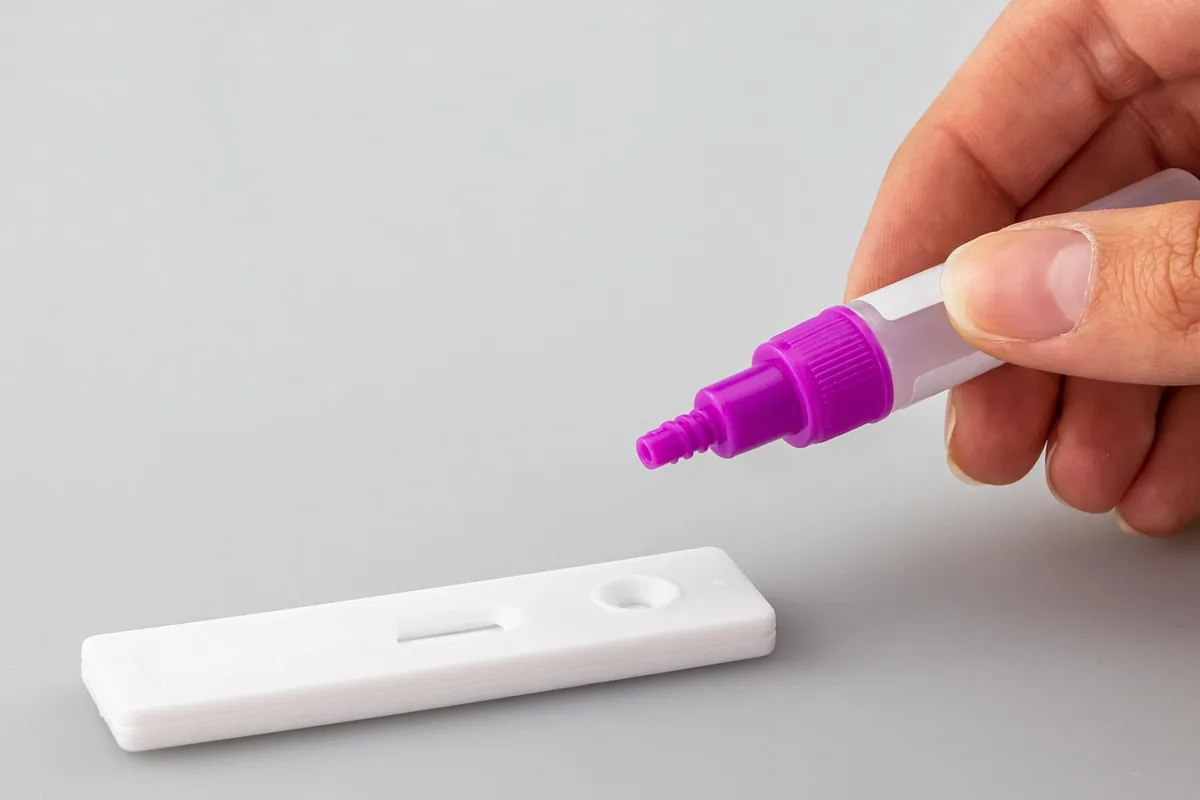
3. Eye drops: One or two drops of tropicamide, phenylephrine, or cyclopentolate are placed. They start working in 515 minutes.
4. Slitlamp exam: The doctor shines a thin beam of light to examine the front of the eye.
5. Dilated fundus exam: With the pupil wide open, the doctor looks at the retina and lens using a handheld lens or a retinal camera.
6. Intraocular pressure check: A quick air puff test ensures the pressure is safe.
How long does the whole consultation take?
Most appointments run about 3045 minutes. The drops need a few minutes to take effect, and the doctor may wait an extra 1015 minutes for the pupil to fully dilate before completing the exam.
What equipment is used?
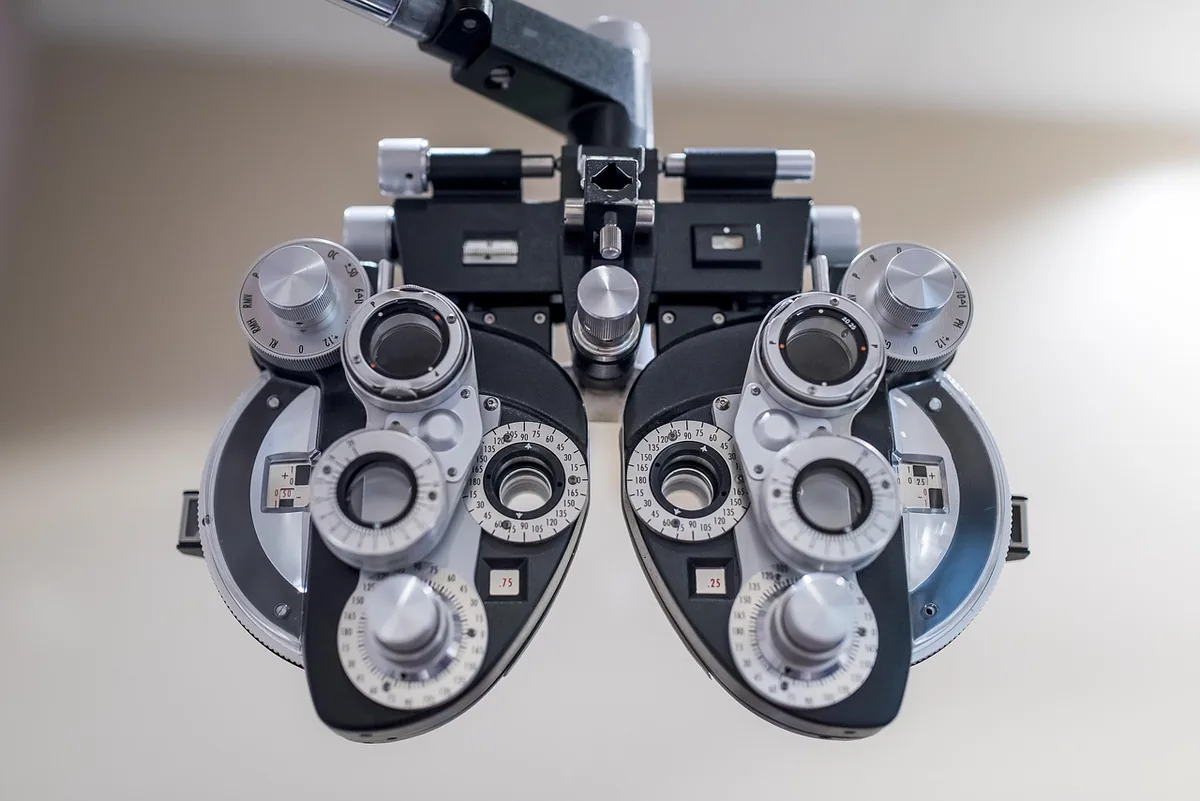
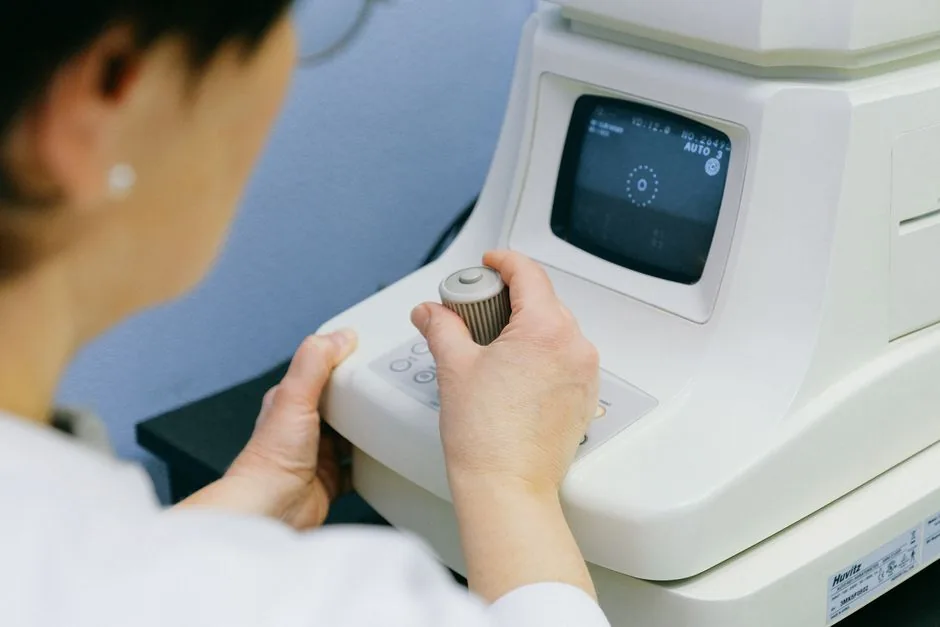
The slit lamp is the workhorse, but many clinics also use an OCT (optical coherence tomography) for a detailed crosssection of the lens, and a dilated fundus camera to capture photos of the retina.
Realworld note
When I first got the drops, my vision turned blurry for about an hour. It felt like looking through a foggy window, but the doctor could finally see the cataracts Yshaped patternsomething that would have stayed hidden otherwise.
Preparing for Dilation
Which eye drops are used and why?
Typical drops include:
- Tropicamide fastacting, relaxes the iris muscles.
- Phenylephrine widens the pupil by tightening the radial muscles.
- Cyclopentolate longeracting, useful if a deeper dilation is needed.
These drops are safe for most adults, and the effect usually fades within 46 hours.
Should I avoid anything before the exam?
Dont wear contact lenses on the day of the test, and let the clinic know if youre on glaucoma meds or allergy dropssome medicines can interfere with dilation. Also, arrange a ride home because your near vision will be blurry and youll be more sensitive to light.
How to manage the temporary blurry vision?
Bring a pair of sunglasses (the ones with dark lenses are best), and if possible, schedule the appointment later in the day so you have time to let the drops wear off before heading out.
Safety Reference
The National Eye Institute states that dilated eye exams are safe when proper screening for angleclosure risk is performed (NEI Guidelines).
Exam Findings Explained
How are cataract types identified?
Doctors look for three main types:
- Nuclear a hardening of the central lens, often causing a yellowish tint.
- Cortical spokes radiating from the outer edge toward the center.
- Posterior subcapsular a small, dense spot at the back of the lens that affects reading and night vision.
Seeing these patterns is only possible once the pupil is fully dilated.
How does the doctor grade cataract severity?
Most specialists use the LOCSIII (Lens Opacities Classification System) scale, which rates nuclear color, nuclear opalescence, cortical opacity, and posterior subcapsular involvement on a 05 scale. The higher the score, the more the cataract interferes with vision.
Can the exam reveal other eye problems?
Absolutely. While the doctors primary goal is to assess the cataract, a dilated view can also uncover diabetic retinopathy, macular degeneration, or early signs of glaucomaconditions that might need separate treatment.
SelfTests & Alternatives
Is there a reliable selftest for cataracts?
People often try the glare test (looking at a bright light) or reading an Amsler grid, but these methods miss more than 70% of early cataracts, according to a 2022 NEI study. In short, theyre useful for noticing obvious vision changes, but they cant replace a professional exam.
Can cataract be evaluated without surgery?
There are nonsurgical optionsspecialized prescription glasses, antioxidant eye drops, and lifestyle changes (like quitting smoking and protecting eyes from UV). They may improve comfort but wont reverse lens opacity. Surgery remains the only proven way to restore clear vision.
When is a nondilated exam acceptable?
For a quick screening or urgent visit (e.g., after eye trauma), a doctor might perform a nondilated check, but a full assessment for cataract severity always requires dilation.
Benefits vs Risks
What are the main benefits?
Accurate diagnosis, proper surgical planning, and the chance to catch other eye diseases early. Without dilation, the doctor would be guessing, which could lead to unnecessary surgery or missed treatment.
What sideeffects can patients experience?
Common: temporary light sensitivity, blurry near vision, and a slightly stuffy feeling in the eye. Rare: allergic reaction to the drops or a brief rise in intraocular pressure. All usually resolve within a few hours.
How to minimize risks?
Tell your eyecare provider about any history of angleclosure glaucoma, use the lowest effective concentration of drops, and follow postexam instructions (like wearing sunglasses).
Next Steps After Exam
Interpreting the doctors report
Your report will list the cataract type, LOCSIII score, and any other findings (e.g., early macular changes). If surgery is recommended, it will include a proposed timeline and any preoperative eye drops youll need.
When is cataract surgery recommended?
Generally when the cataract interferes with daily activitiesreading, driving at night, or when you notice frequent glare. The decision also depends on your overall eye health and lifestyle.
Preparing for surgery
If youre moving forward, the clinic will give you preop eye drops (often a steroid and antibiotic) and may schedule a preoperative measurement session. Those measurements (using the same dilated view) ensure the IOL (intraocular lens) power is spoton.
Case Study
Maria, 68, came in with a Grade3 nuclear cataract on the LOCSIII scale. After dilation, the doctor also spotted early diabetic retinopathy. She had cataract surgery two weeks later, and her vision improved from 20/70 to 20/20, while her retina was treated in a separate followup.
Bottom line: dilation isnt just a routine stepits the key that unlocks a clear view of your eyes health. It helps your doctor give you the most accurate diagnosis, decide whether surgery is needed, and catch any hidden issues before they become serious.
Got more questions about eye drops, the waiting time, or what to expect after dilation? Reach out to a boardcertified ophthalmologist you trust, or book your next dilated exam today. Your eyes will thank you.