Not medical advice — written by Ngoc Vietsmall, who is not a healthcare professional.
This article summarises publicly available medical information for general readers. It cannot account for your history, medication or symptoms, and it is not a diagnosis or a treatment plan. Any dose mentioned comes from published labelling or guidelines — only your own prescriber can decide what is right for you.
Always speak to a doctor or pharmacist before starting, stopping or changing any treatment. If symptoms are severe or getting worse, seek urgent care. Full disclaimer · How this is written
If youve ever wondered why doctors still perform autopsies, the short answer is simple: they turn unanswered questions about a death into solid facts. In a nutshell, the autopsy importance lies in confirming or correcting a causeofdeath diagnosis, offering closure to loved ones, and feeding vital knowledge back into healthcare and public safety.
Below, Ill walk you through everything you need to knowfrom the different types of autopsies and who performs them, to the realworld impact they have on families, courts, and future patients. Think of this as a friendly chat over coffee, where I share stories, clearcut explanations, and a few helpful tips you can actually use.
Why Autopsy Matters
Confirming or Correcting Diagnoses
Imagine a hospital where every death is taken at face value. Sounds risky, right? Studies show that up to 30% of autopsies reveal a missed diagnosis. That means a significant number of patients could have benefited from a different treatment if doctors had known the true cause of death.
Take the case of a 58yearold man who died suddenly at home. The clinical chart listed a heart attack, but the autopsy uncovered a massive pulmonary embolisma clot that formed in his leg and traveled to his lungs. That single finding not only corrected the medical record but also prompted his family to screen relatives for clotting disorders, potentially saving lives.
Forensic Clarity
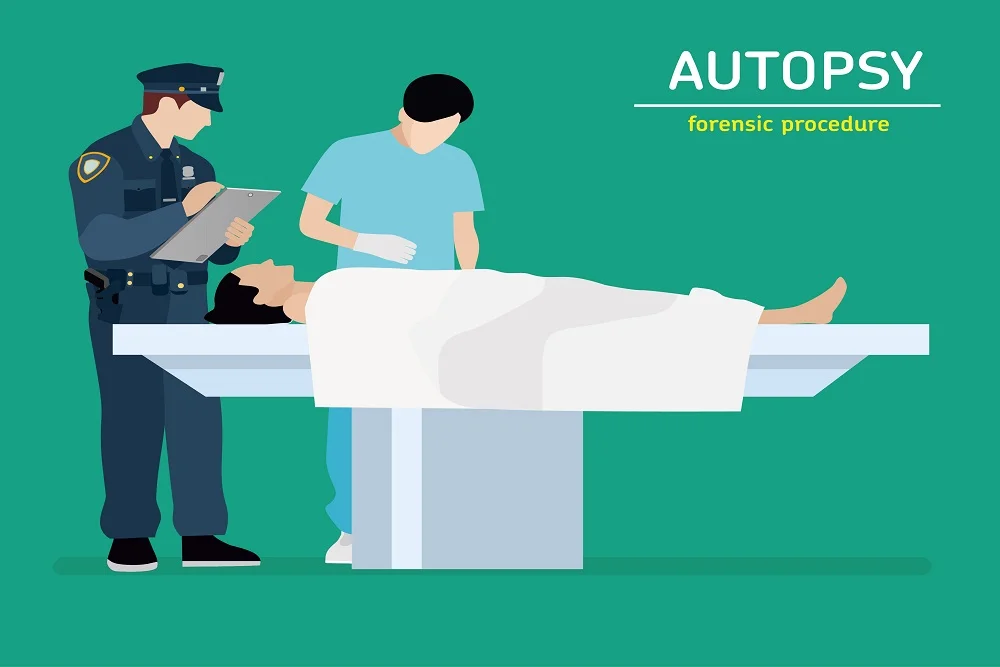
When a death is suspicious, a forensic autopsy becomes a detectives best friend. By meticulously examining every organ and tissue, forensic pathologists can pinpoint trauma, poison, or disease that might otherwise remain hidden. This clarity can be the difference between a solved case and endless speculation.
One chilling example involved a young woman whose cause of death was initially ruled undetermined. A forensic autopsy later discovered lethal levels of a rare synthetic opioid in her bloodstream, leading to a criminal investigation that uncovered a local distribution ring. The result? Arrests, increased public awareness, and a warning that likely prevented further overdose deaths.
PublicHealth Safeguard
Beyond individual stories, autopsies act as an earlywarning system for emerging health threats. When a cluster of unexplained deaths shows a common patternsay, a new strain of flu or an environmental toxinpublichealth officials can act quickly, issuing advisories or launching deeper investigations.
During the early months of the COVID19 pandemic, autopsy findings revealed extensive lung damage and blood clotting that were not fully understood from clinical observations alone. Those insights guided treatment protocols worldwide, illustrating how the autopsy importance stretches far beyond a single patient.
Benefits vs Risks
Benefits for Families
Loss is never easy, and unanswered questions can keep grief alive. An autopsy offers concrete answers, helping families move forward with a clearer narrative. For many, that knowledge is the first step toward emotional healing.
Take Sarah, who lost her brother in a car accident. The initial report said traumatic brain injury, but the autopsy revealed a tiny but fatal arterial bleed that occurred before the crash. Knowing this allowed her family to secure a wrongfuldeath settlement and, more importantly, to understand that the accident wasnt the sole cause.
Medical Community Gains
Hospitals use autopsy data as a qualitycontrol loop. When patterns of missed diagnoses emerge, institutions can revise protocols, train staff, and ultimately improve patient outcomes. Think of it as a backstage rehearsal that finetunes the entire performance.
Common Concerns, Debunked
| Myth | Reality |
|---|---|
| It disfigures the body. | Modern autopsies respect the deceaseds dignity; incisions are subtle and bodies are usually restored for viewing. |
| Its prohibitively expensive. | In many jurisdictions, the cost is covered by the state, insurance, or the coroners office. |
| It delays funeral arrangements. | Most autopsies are completed within 2448hours, allowing families to plan services promptly. |
By facing these myths headon, we keep the conversation honest and the decision-making process transparent.
Six Autopsy Types
Clinical (Hospital)
Performed in a hospital setting to verify or question the clinical diagnosis of a patient who died under medical care.
Forensic (Medicolegal)
Ordered when death is sudden, unexpected, or suspicious. The findings often feed into legal investigations.
Virtual / ImagingGuided
Uses CT or MRI scans to create a virtual dissection, ideal when families decline invasive procedures.
Minimally Invasive (Laparoscopic)
Small keyhole incisions allow organ sampling while preserving a more natural appearance of the body.
Educational (Anatomical)
Utilized by medical schools to teach anatomy; consent is usually obtained from donors who have pledged their bodies for learning.
ResearchFocused
Designed to study specific diseases or drug effects, often involving detailed tissue analysis and biobanking.
Each type serves a distinct purpose, yet all share the same core goal: uncovering truth.
Who Performs an Autopsy?
Qualified Professionals
Boardcertified pathologists lead the process, often assisted by forensic specialists, residents, or specially trained technicians. In the United States, a medical examiner or coronerusually a physician with pathology traininghas legal authority to order the exam.
StepbyStep Procedure
1. External examination: Document tattoos, injuries, and overall condition.
2 Internal dissection: Systematically open cavities, examine organs, and collect tissue samples.
3. Microscopic analysis: Slides are prepared for a pathologist to view under a microscope.
4. Report drafting: Findings are compiled into an autopsy report, which includes the cause and manner of death.
Timing: How Long After Death?
Ideally, an autopsy is performed within 2448hours to preserve tissue integrity. However, advances in preservation allow examinations weeks later, especially if the body has been refrigerated or embalmed. In forensic cases, the legal window can extend further, depending on jurisdiction.
Decoding an Autopsy Report
Core Sections
An autopsy report typically includes:
- Identification: Name, age, and circumstances of death.
- External Findings: Visible injuries or abnormalities.
- Internal Findings: Detailed organ observations.
- Microscopic Findings: Cellularlevel details.
- Cause of Death: Medical reason for death.
- Manner of Death: Natural, accidental, homicide, suicide, or undetermined.
Illustrating for Lay Readers
When you need to illustrate an autopsy report for family members, think of a simple infographic: a body silhouette with colorcoded sections for each major finding. Pair each section with a brief bullet point, e.g., Lungs heavy, fluidfilled: indicates pulmonary edema (possible heart failure). This visual approach transforms technical jargon into an easytodigest story.
Sample Walkthrough
Below is a deidentified excerpt (names changed) to show how findings translate into meaning:
| Finding | What It Tells You |
|---|---|
| Severe coronary artery blockage | Likely cause of heart attack. |
| Pulmonary edema | Fluid accumulation in lungs, often secondary to heart failure. |
| Elevated liver enzymes | Possible chronic liver disease, not directly fatal. |
Seeing the data laid out this way helps families grasp the why without drowning in medical terminology.
Frequently Asked Questions
Why Is the Tongue Removed?
The tongue is often pulled out during a forensic autopsy to check for residue of drugs or toxins that can accumulate there, and to examine any oral injuries that might indicate struggle or assault.
How Long After Death Can It Be Done?
Most autopsies are optimal within two days, but with proper refrigeration, they can be performed weeks later, especially in cases where legal investigations require extended timelines.
Who Orders an Autopsy?
In hospitals, the attending physician or medical director may request a clinical autopsy. For deaths that are sudden, unexplained, or legally significant, a coroner or medical examiner will order a forensic autopsy.
Can Families Request One?
Absolutely. In many places, families can ask for an autopsy, and health providers are obliged to discuss the benefits, costs, and consent process. Religious and cultural considerations are also respected; some faiths have specific guidelines, and many pathologists work with families to find a respectful approach.
Whats the Difference Between Clinical and Forensic?
Clinical autopsies focus on medical learning and quality assurance, while forensic autopsies aim to uncover legal truthsidentifying trauma, toxins, or other factors relevant to investigations.
RealWorld Impact Stories
Case A: Missed Cardiac Disease
At a major academic hospital, a 62yearold woman died after a brief hospital stay for flulike symptoms. The autopsy revealed a previously undiagnosed hypertrophic cardiomyopathya genetic heart condition. This discovery prompted the hospital to add a screening protocol for similar cases, potentially preventing future deaths.
Case B: Hidden Poisoning
In a suburban county, a teenager was found dead at home. Initial police reports listed unknown causes. The forensic autopsy detected trace amounts of a lethal pesticide hidden in the familys garden shed. The evidence led to a conviction for negligent storage and sparked a communitywide safety campaign.
Case C: PublicHealth Alert
During a summer surge of unexplained respiratory deaths, a state health department noticed a pattern of a specific synthetic opioid in the autopsy reports. Their rapid responseissuing public warnings and increasing naloxone distributioncorrelated with a measurable drop in subsequent overdose fatalities.
Advocating for Autopsy Use
Talk to Your Doctor
If a loved one dies under mysterious circumstances, ask your physician about the possibility of a hospital autopsy. A simple conversation can open doors to answers that might otherwise remain closed.
Support Legislation
Many states face budget cuts that threaten autopsy services. Advocacy groups, such as the American Medical Association, consistently push for funding that preserves these critical investigations. You can write to your local representative and reference the AMAs policy on autopsies to lend weight to your request.
Educate Family Members
Share the stories above with friends and relatives. Understanding the emotional and practical benefits of an autopsy can help families make informed decisions during a difficult time.
Conclusion
The autopsy importance is far more than a ritual of the pastits a living, datadriven tool that clarifies cause of death, fuels legal justice, and safeguards public health. Whether youre weighing the decision for a grieving family, a medical professional seeking quality improvement, or a publichealth advocate, the evidence shows that autopsies save lives, offer closure, and build knowledge for the future.
If you think an autopsy could bring clarity to a recent loss or you simply want to learn more, start the conversation with your healthcare provider today. Knowledge brings power, and understanding the truth about a death can be the first step toward healing and prevention.