Not medical advice — written by Ngoc Vietsmall, who is not a healthcare professional.
This article summarises publicly available medical information for general readers. It cannot account for your history, medication or symptoms, and it is not a diagnosis or a treatment plan. Any dose mentioned comes from published labelling or guidelines — only your own prescriber can decide what is right for you.
Always speak to a doctor or pharmacist before starting, stopping or changing any treatment. If symptoms are severe or getting worse, seek urgent care. Full disclaimer · How this is written
Thinking about the price tag on a cataract eye exam? In most cases the basic diagnostic tests sit somewhere between $50 and $200 each, and a complete presurgical workup typically lands in the $300$800 range before any surgery fees are added. Below youll find a straightforward, friendtofriend guide that untangles every cost factor, shows where insurance can (and cant) help, and gives you practical tips to keep the outofpocket bill as low as possible.
Ready to demystify those numbers? Lets dive inno fluff, just the facts you really need.
What Is Tested
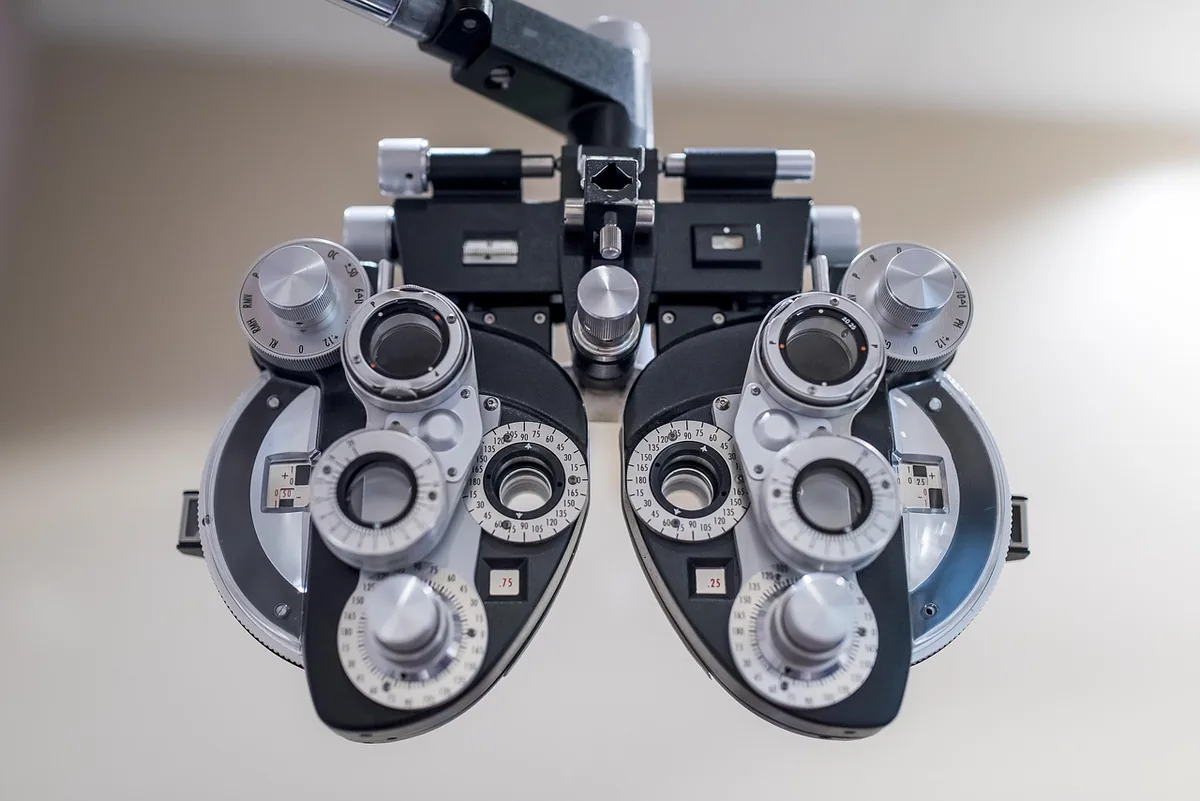
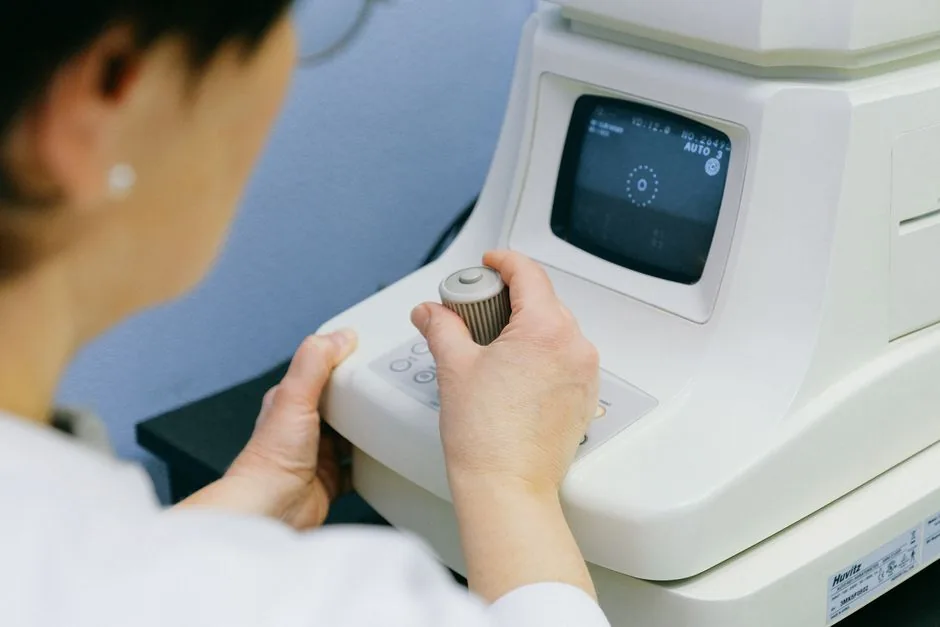
Before any cataract surgery, eye doctors run a handful of checks to see exactly how the clouded lens is affecting your vision and which surgical plan will work best. Heres the usual lineup:
Core Tests Included in a Standard Exam
- Visual Acuity Test measures how clearly you can see a chart at a set distance.
- SlitLamp Examination a microscopelike tool that lets the doctor inspect the front of the eye for cataract severity.
- Tonometry checks the pressure inside the eye to rule out glaucoma.
Why These Tests Matter
Knowing exactly how cloudy your lens is helps surgeons choose the right IOL (intraocular lens) and predict postop vision. Skipping or delaying any of these tests can lead to surprise complications or the need for extra procedures latersomething you definitely want to avoid.
RealWorld Example
Emily, a 68yearold from Ohio, postponed her slitlamp exam for a year because she thought it was just a routine check. When she finally went in, the cataract had progressed, and her surgeon had to add a more expensive premium lens to achieve the desired vision. In hindsight, Emily says the extra $200 she saved early on turned into a $1,200 upgrade later.
Cost Breakdown
Now that you know whats being tested, lets put a price tag on each piece. Prices can vary by region, clinic, and whether you have insurance, but the ranges below are a solid baseline for 2025.
Basic Diagnostic Package
Most practices bundle visual acuity, slitlamp, and tonometry into a basic package. Expect to pay $150$350 total.
Advanced Imaging (Optional)
If your surgeon recommends deeper imaginglike optical coherence tomography (OCT) or aberrometryto finetune the IOL selection, youre looking at an additional $200$500 per test.
Surgical Planning Tests
Biometry (measuring the eyes length) and lens calculations are critical for a successful outcome. These usually add another $100$250 to the preop bill.
Cost Comparison Table
| Test / Package | Average Cost (USD) | What It Covers |
|---|---|---|
| Basic Exam (3 tests) | $150$350 | Visual acuity, slitlamp, tonometry |
| OCT Imaging | $200$500 | Detailed retina and lens view |
| Aberrometry | $250$500 | Higherorder aberration analysis |
| Biometry & Lens Calc. | $100$250 | Precise IOL power selection |
What You Might See on Your Bill
When you walk out of the clinic, the invoice often looks like this:
- Visual Acuity Test $70
- SlitLamp Exam $120
- Tonometry $80
- Biometry $180
- OCT (optional) $350
All together, that adds up to $800 if you go the fullstack route. The good news? Many surgeons will bundle these items into the overall surgery quote, so you might see a single PreOp Evaluation line instead of a laundry list.
Insurance Impact
Insurance can be a lifesaverbut its not a magic wand that wipes every cost away. Understanding how Medicare, private plans, and cashpay options affect your cataract test cost will help you avoid surprise bills.
Medicare Coverage
Medicare Part B typically covers the surgery itself (around 70% of the allowed amount) but does not cover most diagnostic tests. Those tests are billed separately, and youre responsible for the usual 20% coinsurance.
According to a Medicare overview, the average cost of cataract surgery with Medicare hovers between $3,400 and $11,730 per eye, depending on the facility and lens type. The diagnostic portion, though, remains an outofpocket line item of $300$800.
Private Insurance (Aetna, Blue Cross, etc.)
Most private carriers treat the preop tests similarly to Medicare: theyll pay a portion of the surgery but often require a separate preauthorization for diagnostics. With Aetna, for example, the outofpocket cost for cataract surgery with insurance can drop to $200$600 for the test bundle after you meet your deductible.
No Insurance? No ProblemCash Options
If youre paying outofpocket, you can negotiate a discount. Many clinics offer a selfpay rate that trims $100$300 off the standard diagnostic fee. Some even include the full test suite in the surgery quote, so you only see one price on the statement.
Checklist Before Your Appointment
- Ask for CPT codes of each test (e.g., 92004 for comprehensive eye exam).
- Verify whether the lab is innetwork.
- Confirm if the clinic bundles the preop workup with the surgery fee.
- Inquire about financing options like CareCredit.
Surgery Types
Not all cataract surgeries are created equal, and the type you choose can shift both the surgical and diagnostic cost.
Standard Phacoemulsification
This is the most common techniqueultrasonic energy breaks up the cloudy lens, which is then suctioned out. The preop test package usually stays in the $300$500 range.
Femtosecond LaserAssisted Surgery
The laser adds precision but requires advanced imaging (OCT) before the operation. Expect an extra $200$500 for the laserspecific diagnostic workup.
Premium IOLs (Multifocal, Toric, ExtendedDepth)
These lenses correct astigmatism or provide nearvision without glasses, but they rely on ultraaccurate measurements. That means more detailed aberrometry and biometryoften pushing the test cost to $600$1,000.
Cost Comparison Table
| Surgery Type | Typical Test Package | Average Test Cost | Notes |
|---|---|---|---|
| Standard Phaco | Basic Exam + Biometry | $300$500 | Best value for most patients |
| LaserAssisted | Basic + OCT Imaging | $500$800 | Higher precision, higher cost |
| Premium IOL | Basic + Aberrometry + Biometry | $600$1,000 | Reduces need for glasses postop |
Why the Test Cost Varies
Premium lenses demand more data, and laser platforms require specific imaging to map the cornea. The technology you choose dictates how much the doctor needs to know beforehandand that knowledge comes at a price.
Saving Strategies
Okay, youve got the numbers. How do you keep the bill manageable without sacrificing quality? Here are some triedandtested tricks that many patients swear by.
Shop Around
Use cataract surgery cost near me searches to compare clinics. Look for transparent pricing pages that list each diagnostic test separately. A quick call can reveal a $200 difference between two reputable centers.
Ask for Bundled Pricing
Many eye institutes will roll the entire preop workup into the surgical quote, turning a potential $800 outofpocket item into a single line on your bill. Its worth asking: Can we bundle the diagnostic tests with the surgery fee?
Leverage Health Savings Accounts (HSAs) & FSAs
These taxadvantaged accounts let you pay for medical expensesincluding eye examswith pretax dollars. If you have an HSA, you can effectively shave 1530% off the cost.
Utilize Community Programs & Clinical Trials
Nonprofits like the National Eye Institute often sponsor free or lowcost eye exams for seniors. University ophthalmology departments also run clinics where students, supervised by boardcertified doctors, perform examinations at a discount.
Tip Sheet: Questions to Ask Your Provider
- What does the preop workup include?
- Are any of the tests optional?
- Do you offer a cashpay discount?
- Can the diagnostic fees be applied toward the surgery cost?
- Is there a payment plan or financing option?
Bottom Line
Understanding the cataract test cost isnt just about the numbersits about feeling confident youre getting the right care without surprise bills. A basic exam will run you $150$350, advanced imaging adds $200$500, and premium lens choices can push the total preop cost past $1,000. Insurance, especially Medicare, generally covers the surgery but leaves the diagnostics as an outofpocket line item.
Armed with these insights, you can shop wisely, ask the right questions, and even negotiate bundled pricing to keep your wallet happy. If anything feels unclear, remember that a good ophthalmologist will gladly walk you through each chargeno jargon, just plain talk.
Have you navigated cataract test costs before? Share your tips or questions; were all in this together, and a friendly conversation can make the process a whole lot smoother.