Not medical advice — written by Ngoc Vietsmall, who is not a healthcare professional.
This article summarises publicly available medical information for general readers. It cannot account for your history, medication or symptoms, and it is not a diagnosis or a treatment plan. Any dose mentioned comes from published labelling or guidelines — only your own prescriber can decide what is right for you.
Always speak to a doctor or pharmacist before starting, stopping or changing any treatment. If symptoms are severe or getting worse, seek urgent care. Full disclaimer · How this is written
Hey there! If youve landed on this page, youre probably wondering why doctors sometimes say a heart valve needs to be replaced. It can feel like a lot to take in, but lets break it down togethersimple, friendly, and straight to the point. Well explore the signs, the types of valves, whos a good candidate, success rates, and even what to eat (or avoid) after surgery. Think of it as a chat over coffee, with a dash of expert insight to keep you confident.
When Replacement Needed
What signs indicate a valve is failing?
When a valve cant open or close properly, your heart has to work harder. Common clues include:
- Shortness of breath during everyday tasks
- Unexplained fatigue even after a good nights sleep
- Chest discomfort or a feeling of tightness
- Irregular heartbeats or palpitations
- Swelling in the ankles, feet, or abdomen
Maria, 68, thought she was just getting old until a routine checkup revealed severe aortic stenosis. Her doctor recommended replacement, and shes now back to gardening without gasping for air.
How serious is heart valve replacement surgery?
Modern centers report a mortality rate of 13% for isolated valve replacement, which is comparable to many other major surgeries. Complications are rare, and most patients walk out of the hospital within a week feeling hopeful.
Why do doctors choose replacement over repair?
Repair works great for minor leaks, but when the valve tissue is heavily calcified, scarred, or malformed, fixing it isnt enough. Replacement guarantees a longerlasting solution and reduces the chance of needing another operation soon.
What medical conditions make replacement necessary?
Key culprits include:
- Rheumatic fever (still common in some parts of the world)
- Infective endocarditis (a serious heart infection)
- Degenerative calcification, especially in older adults
- Congenital defects present from birth
Valve Replacement Types
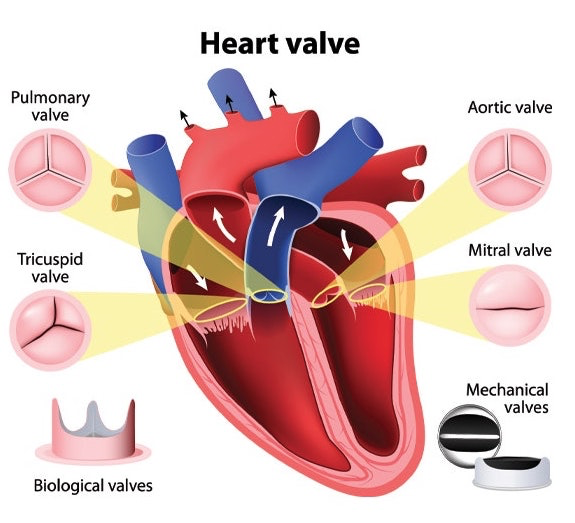
What are the main types of replacement valves?
| Valve Type | Material | Longevity | Anticoagulation Needed? |
|---|---|---|---|
| Mechanical | Titanium or carbon | 1530years+ | Yes, lifelong warfarin |
| Bioprosthetic (Tissue) | Animal pericardium or pig valve | 1015years | Usually shortterm (36months) |
Mechanical valves are the marathon runners of prosthesesbuilt to last, but they require you to stay on blood thinners. Tissue valves act more like sprinters, offering a smoother life without daily anticoagulation, yet they may wear out sooner.
Can a heart valve be replaced without openheart surgery?
Yes! The transcatheter approachknown as TAVR for aortic valves or TMVR for mitral valvesuses a small catheter threaded through a blood vessel. Patients avoid the large chest incision, and recovery is often faster. According to a Mayo Clinic study, success rates for TAVR now exceed 90% in lowrisk patients.
Which valve type is best for different age groups?
Heres a quick rule of thumb:
- Under 60: Mechanical valves are usually favored because they last longer.
- 6075: Many surgeons discuss the tradeoff; personal lifestyle and willingness to take anticoagulants matter.
- Over 75: Tissue valves often win out to avoid the hassle of lifelong blood thinners.
Emerging technologies
Researchers are experimenting with polymer valves that could combine durability with lowthrombosis risk, and valveinvalve procedures that allow a new valve to be placed inside a failing bioprosthetic one without another open surgery. Keep an eye on the fieldinnovation moves fast!
Age & Health Factors
What is the average age for heart valve replacement?
In the United States, the average age sits around 65years, though patients as young as 30 receive replacements for congenital problems, while some in their 80s get a tissue valve when the benefits outweigh the risks.
Is there an upper age limit for surgery?
Theres no strict cutoff. Rather than age alone, doctors look at overall health, frailty, and life expectancy. A robust 82yearold might be a great candidate, while a 70yearold with multiple organ failures might be steered toward medication and monitoring.
How do comorbidities affect the decision?
Conditions such as atrial fibrillation, chronic kidney disease, or severe lung disease can tilt the balance toward a less invasive approach (like TAVR) or toward a tissue valve to avoid longterm anticoagulation.
When is a watchandwait approach preferred?
If the valve leak is mild and symptoms are absent, doctors may recommend regular echo checkups, lifestyle adjustments, and medication. This strategy works for many who have earlystage disease and want to postpone surgery.
Success Rates Overview
What is the success rate of heart valve replacement surgery?
Data from the American College of Cardiology show that 5year survival after isolated valve replacement exceeds 90%. Qualityoflife scores also jump dramaticallymost patients report less fatigue and more energy.
How often do patients need a reoperation?
Reintervention rates differ by valve type:
- Mechanical: <5% over 10years
- Bioprosthetic: 1015% over the same period
What are the most common complications?
The biggest concerns are bleeding (especially with mechanical valves), valve thrombosis, and infection (endocarditis). A small case vignette: a 58yearold man on warfarin developed a clot on his mechanical valve within six months, requiring a brief hospitalization and adjustment of his medication.
Which is more seriousheart bypass or valve replacement?
Both procedures carry risk, but overall mortality for isolated coronary artery bypass grafting (CABG) hovers around 23% in modern centers, slightly higher than valve replacement. However, each patients situation is unique, and surgeons weigh heart rhythm, valve function, and coronary disease together to decide the safest route.
PreOp & Recovery
What preop steps should I take?
Before the day of surgery, youll likely undergo:
- Comprehensive echo and possibly a CT scan
- Blood work to check kidney function and clotting numbers
- Medication reviewyour doctor may pause certain blood thinners
- Physical conditioning; gentle walking can improve postop stamina
One anesthesiologist I spoke with emphasized the value of a prehab programthink of it as a warmup before the big performance.
What foods should I avoid after heart valve replacement?
If you end up with a mechanical valve, your doctor will likely place you on warfarin. That means you need to keep your vitaminK intake consistent. Leafy greens (spinach, kale, broccoli) are fine in moderation, but avoid wild swingsdont go from a diet of zero greens to a huge salad binge overnight.
General hearthealthy tips:
- Limit processed salty foodshigh sodium can raise blood pressure.
- Cut back on excessive alcohol, especially if youre on anticoagulants.
- Stay hydrated; dehydration can increase clot risk.
Typical hospital stay & timeline to normal activity
Heres a common roadmap:
- Day 02: ICU monitoring, breathing exercises.
- Day 35: Transfer to a regular floor, start gentle walks.
- Day 67: Discharge, with outpatient followup scheduled.
Most patients feel comfortable with light daily chores after two weeks and can resume moderate exercise (like brisk walking) by six weeks. One patient I heard about was back to playing tennis at eight weeksalways after clear physician clearance, of course.
When is anticoagulation required?
Mechanical valves demand lifelong warfarin, aiming for an INR of 2.53.0. Tissue valves typically need shortterm anticoagulation (36months) before transitioning to aspirin alone. Your cardiologist will tailor the plan to your specific valve and bleeding risk.
Followup schedule & redflag symptoms
Regular followups keep the team ahead of any issues:
| Visit | Purpose | Typical Tests |
|---|---|---|
| 1 month | Early healing check | Echocardiogram, INR |
| 6 months | Valve function review | Echocardiogram |
| Yearly | Longterm monitoring | Echocardiogram, labs |
Contact your doctor right away if you notice fever, sudden shortness of breath, unexplained swelling, or a new heart murmurthese could signal infection or valve trouble.
Key Patient Questions
How serious is heart valve replacement surgery?
Its a major operation, but with todays techniques the risk of death is under 3% and most patients regain a normal, active life.
Can a heart valve be replaced without openheart surgery?
Absolutely. Transcatheter valve replacement (TAVR/TMVR) skips the large chest incision, offering a quicker recovery for many patients.
What is the average age for heart valve replacement?
Roughly 65years in the U.S., though it can be performed at any age when the valves condition demands it.
What is the success rate of heart valve replacement surgery?
Fiveyear survival rates exceed 90%, and most patients report major improvements in energy and daily function.
Which is more seriousheart bypass or valve replacement?
Both are safe in experienced centers; bypass carries a slightly higher overall mortality, but individual health factors decide the true risk.
What foods to avoid after heart valve replacement?
Limit inconsistent vitaminK sources if youre on warfarin, keep alcohol moderate, and avoid excess salt and processed foods.
What is the heart valve replacement age limit?
Theres no hard cutoff; doctors look at overall health, frailty, and expected benefit rather than age alone.
Conclusion
Understanding the reasons for heart valve replacement isnt just about numbers and proceduresits about making an informed choice that fits your life. Whether youre dealing with a leaky valve, a hardened one, or a congenital issue, todays optionsfrom mechanical to tissue, openheart to transcatheterprovide safe, effective paths forward. Success rates are high, recovery is getting faster, and with the right diet and followup care you can get back to doing the things you love.
If youve been diagnosed or are simply curious, talk openly with your cardiologist, weigh the benefits against the risks, and trust that a personalized plan can help you breathe easier, move freer, and live fuller. You deserve a heart that works as hard as you dolets make that happen together.