Not medical advice — written by Ngoc Vietsmall, who is not a healthcare professional.
This article summarises publicly available medical information for general readers. It cannot account for your history, medication or symptoms, and it is not a diagnosis or a treatment plan. Any dose mentioned comes from published labelling or guidelines — only your own prescriber can decide what is right for you.
Always speak to a doctor or pharmacist before starting, stopping or changing any treatment. If symptoms are severe or getting worse, seek urgent care. Full disclaimer · How this is written
Short answer: only a small portion of women whose cervical cancer comes back can be cured, and the chance depends on where the cancer returns, how long its been since the first treatment, and what therapies are still an option. Knowing this up front helps you, your loved ones, and your medical team make the bestpossible decisions.
Why does this matter? Because understanding the realistic odds of cure lets you focus on early detection, choose the right specialists, and keep hope alive while staying grounded in facts.
Understanding Recurrence
What does recurrence really mean?
When doctors talk about a recurrence, theyre referring to cancer that shows up again after the original disease was treated and thought to be gone. This can be a locoregional recurrence (confined to the pelvis) or a distant metastasis (spread to other organs). The difference mattersa pelvic recurrence has a far better chance of being tackled curatively than a spreadtothelungs scenario.
How often does cervical cancer come back?
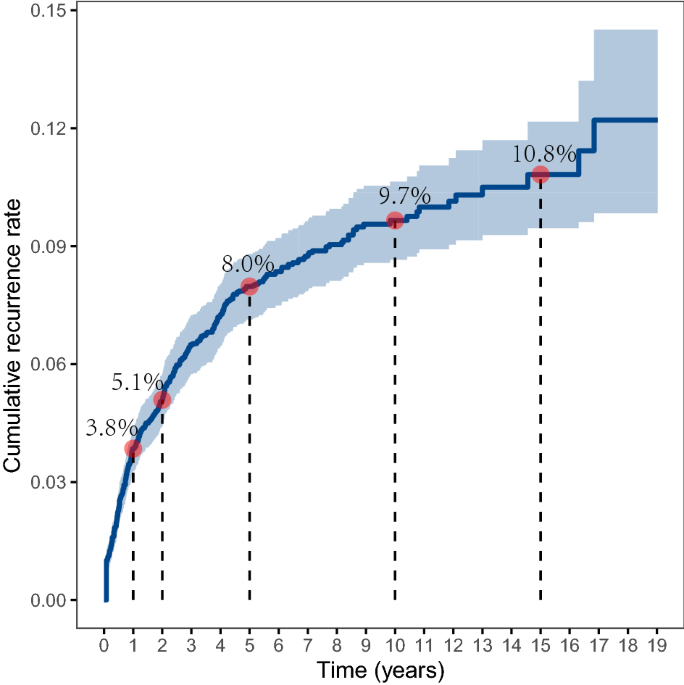
Overall, about 1520% of women with earlystage disease see the cancer return. The rate climbs with higher stages; for example, the American Cancer Society reports a stage1b2 cervical cancer recurrence rate of roughly 30%.
When can it reappear?
- Most recurrences happen within the first two years after treatment.
- Late recurrencesthose appearing after 10yearsare rare but not impossible.
- Women who had a hysterectomy still face a risk of cervical cancer recurrence after hysterectomy, often presenting with different symptoms.
Typical symptoms of a recurrence
Spotting a problem early can make a huge difference. Look out for:
- Pain in the pelvis or lower back that doesnt go away
- Unexpected vaginal bleeding or discharge
- Urinary urgency, frequency, or pain
- Unexplained weight loss or fatigue
- New lumps or swelling in the abdomen
If youve had a hysterectomy, the symptoms may feel a bit differentoften more about pelvic pressure or bladder changes because the uterus is no longer there. Thats why the phrase symptoms of recurrent cervical cancer after hysterectomy is a crucial search term for many survivors.
Curability Factors
Location matters
A recurrence that stays within the pelvis is far more likely to be treated with curative intent than one that has spread to the lungs, liver, or bones. Think of it like a fire: a small blaze in a single room is easier to extinguish than a blaze thats already jumped to the roof.
Timing after the first treatment
Doctors often look at the diseasefree interval. If cancer returns within two years (cervical cancer recurrence after 2 years), the odds of a cure drop because the disease is more aggressive. A later recurrencesay, after five or ten yearsmight still be curable if its isolated, but those cases are uncommon.
What previous treatments you received
Radiation, chemotherapy, or surgery can each limit or expand your options. For instance, if youve already received the maximum safe dose of radiation, a repeat radiation course may not be feasible, nudging doctors toward surgery or systemic therapies.
Expert insight tip
When you meet with a gynecologic oncologist, ask about the curativeintent window. A boardcertified specialist can explain whether your specific situation falls inside that window based on location, timing, and prior therapies.
Treatment Options
Surgery
When a recurrence is still confined to the pelvis, surgeons may recommend a radical operationsometimes a pelvic exenteration. Its a big, lifechanging procedure, but for select patients it offers the best chance of longterm remission.
| Procedure | Ideal Scenario | Curative Success Rate* |
|---|---|---|
| Pelvic exenteration | Isolated pelvic recurrence, no distant disease | 3035% |
| Radical hysterectomy (if not previously done) | Small central recurrence | 1520% |
*Data drawn from recent Texas Oncology outcomes and Moffitt Cancer Center case series.
Radiation (including brachytherapy)
If surgery isnt an option, highdose externalbeam radiation or internal brachytherapy can sometimes eradicate the tumor. This works best when the cancer hasnt spread beyond the pelvis.
Combined modality (chemo+radiation)
Many experts follow the chemoradiation protocol because chemotherapy can sensitize cancer cells to radiation, boosting the overall effect. According to a CancerCare review, this combined approach improves local control rates by roughly 10% compared with radiation alone.
Targeted therapy & immunotherapy
For tumors that express PDL1, pembrolizumab (an immune checkpoint inhibitor) has shown promise, even in the recurrent setting. While not a cure for most, it can shrink tumors enough to make surgery or radiation feasible later on.
Decisionmaking flowchart
Imagine a simple flow:
- Is the recurrence isolated to the pelvis?
- Has the patient already received the maximum safe radiation dose?
- If yes to 1 and no to 2 consider surgery.
- If no to 1 or yes to 2 look at combined chemoradiation or targeted therapy.
Outcomes & Survival
Overall prognosis
When cervical cancer comes back, the fiveyear overall survival drops to roughly 510%. Thats why the word curable feels heavymost cases are managed palliatively, focusing on quality of life.
When cure is achieved
For those who undergo a successful pelvic exenteration or a curativeintent surgery, fiveyear diseasefree survival can climb to 3040%. Those numbers are small but very realreal people have walked that path.
Story snippet
Take Emily, a 42yearold who discovered a pelvic recurrence three years after her initial treatment. She opted for a pelvic exenteration at a specialized center. Today, four years later, shes cancerfree and back to hiking with her dog. Her story illustrates that while the odds are modest, theyre not zero.
Early Detection
Surveillance schedule
Most guidelines suggest:
- Every 34months for the first two years (clinical exam + pelvic imaging)
- Every 6months until year five
- Annual visits thereafter, with HPV testing when appropriate
Redflag symptoms to act on now
If you notice any of the symptoms listed earlierespecially new bleeding, persistent pain, or changes in urinary habitscontact your oncology team right away. Early intervention can swing the odds a little more in your favor.
Selfmonitoring checklist (downloadable PDF)
Weve prepared a printable checklist you can keep by your bedside. It walks you through what to watch for each month, so you never miss a warning sign.
Preventing Recurrence
Lifestyle tweaks
While no lifestyle change guarantees prevention, staying smokefree, maintaining a healthy weight, and eating a balanced diet can support your immune system. Some survivors also find comfort in getting the HPV vaccineyes, even after treatment, it can protect against new HPVrelated cancers.
Adjuvant therapies after initial treatment
In certain cases, doctors add a boost of brachytherapy or a short course of chemotherapy after the primary treatment. Those adjuvant steps have been shown to lower the cervical cancer recurrence rate by a few percentage points.
Talking with your doctor
Ask your oncologist about how to prevent cervical cancer recurrence. Specific questions might include:
- Should I have more frequent imaging?
- Are there any clinical trials for maintenance therapy?
- What signs should I consider urgent?
Support Resources
Finding community can be a lifeline. Consider these trusted sources:
- American Cancer Society offers patient guides and local support groups.
- National Comprehensive Cancer Network (NCCN) guidelines the gold standard for treatment recommendations.
- Online survivor forums real stories, peer advice, and emotional backup.
Remember, every piece of information you gather should be verified with a qualified medical professional. The internet can empower, but only a boardcertified gynecologic oncologist can tailor treatment to your unique situation.
Final Thoughts
Recurrent cervical cancer is rarely curable, yet a small subsetespecially those with isolated pelvic disease caught earlycan achieve longterm remission through surgery, aggressive radiation, or combinedmodality therapy. Understanding the factors that influence curability, staying vigilant for symptoms, and partnering with an experienced oncologist are your best tools for maximizing chances.
If you or someone you love is facing a recurrence, take action now: schedule a second opinion, download our RecurrenceWatch Checklist, and lean on reputable support networks. Knowledge is power, and empathy is the glue that keeps us moving forward together.