Not medical advice — written by Ngoc Vietsmall, who is not a healthcare professional.
This article summarises publicly available medical information for general readers. It cannot account for your history, medication or symptoms, and it is not a diagnosis or a treatment plan. Any dose mentioned comes from published labelling or guidelines — only your own prescriber can decide what is right for you.
Always speak to a doctor or pharmacist before starting, stopping or changing any treatment. If symptoms are severe or getting worse, seek urgent care. Full disclaimer · How this is written
Hey there! If you’re reading this, chances are you (or someone you love) are pondering the switch from Armour Thyroid—a natural desiccated thyroid medication—to synthetic levothyroxine. The question on everyone’s mind is simple: how many micrograms of levothyroxine match my current Armour dose? In the next few minutes, I’ll break down the math, the science, and the real‑world steps you need to feel confident about the transition. No jargon, no fluff—just clear, friendly guidance you can actually use.
Why Switch Thyroid?
First off, why would anyone even consider changing a medication that’s already working? It’s not about “abandoning” Armour; it’s about tailoring treatment to your unique body and lifestyle. Some folks find synthetic levothyroxine (often branded as Synthroid, Levothyroxine, or Eltroxin) offers more predictable blood‑test results, steadier symptom control, or easier insurance coverage. Others need the extra T3 that desiccated thyroid provides and decide to stay the course.
Bottom line: the decision should balance benefits (stable TSH, convenient dosing) with risks (possible under‑ or over‑replacement). Talk to your endocrinologist, but let’s give you the knowledge you need to have that conversation.
What’s the typical “equivalent” dose?
Think of Armour Thyroid in “grain” terms: a 60 mg tablet is roughly a quarter‑grain. In the world of levothyroxine, a quarter‑grain usually corresponds to about 88–100 µg of synthetic hormone. Your exact number depends on factors we’ll explore later—weight, age, other meds, and of course, your lab results.
Is a 1‑to‑1 swap ever safe?
Rarely. Most patients need a lower levothyroxine dose than the milligram amount of Armour they’re taking. The conversion ratio is closer to 1.3 µg levothyroxine per mg Armour for many adults, but it’s a starting point, not a final prescription.
Key factors that change the ratio
- Body weight – heavier people often need a slightly higher µg per mg.
- TSH target – a tighter TSH goal (e.g., 0.5–2.0 mIU/L) may push you toward a higher levothyroxine dose.
- Comorbidities – heart disease, pregnancy, or adrenal issues can affect how much hormone you’ll tolerate.
Conversion Charts Tools
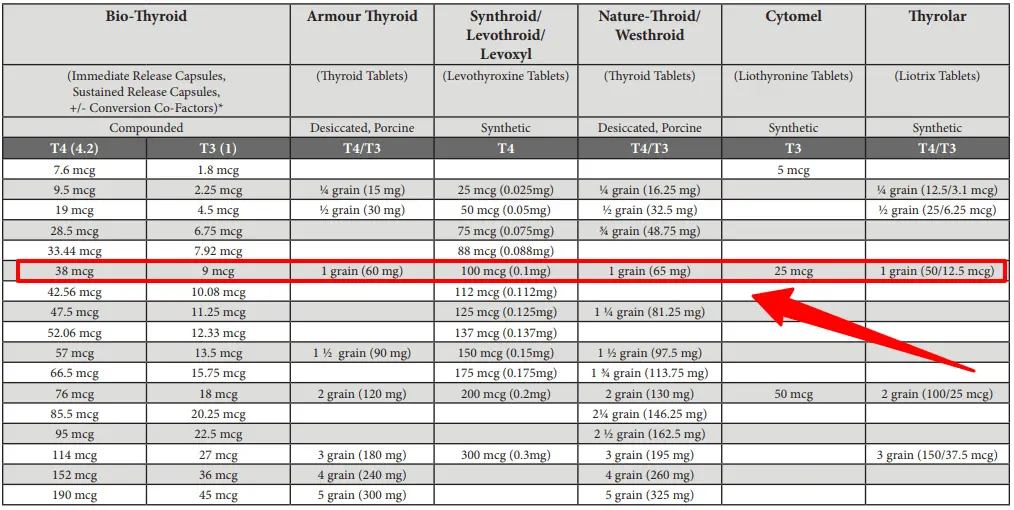
Having a quick reference handy makes the whole process less intimidating. Below is a simplified version of the NP Thyroid conversion chart (the same math applies to Armour). Grab a print‑out, stick it on your fridge, and use it as a compass while you talk to your doctor.
| Armour (mg) | Approx. Levothyroxine (µg) | Typical Starting Ratio |
|---|---|---|
| 30 mg (⅛ grain) | 40‑50 µg | 1.3‑1.5 µg/mg |
| 60 mg (¼ grain) | 88‑100 µg | 1.45‑1.67 µg/mg |
| 90 mg (⅜ grain) | 125‑140 µg | 1.39‑1.56 µg/mg |
| 120 mg (½ grain) | 150‑170 µg | 1.25‑1.42 µg/mg |
| 150 mg (¾ grain) | 175‑200 µg | 1.17‑1.33 µg/mg |
How to use an online calculator
Many thyroid‑focused websites host a simple armour thyroid to levothyroxine calculator. You type in your current mg dose, and the tool spits out a starting µg recommendation. It’s handy, but remember: the calculator gives a *starting point*—your clinician will adjust the dose based on labs and symptoms.
Step‑by‑step input guide
- Enter your current Armour dose (e.g., 60 mg).
- Select the conversion ratio you prefer (most use 1.4 µg/mg).
- Click “Calculate.” The result might read “92 µg levothyroxine.”
- Take note, but don’t start the new pill until your doctor approves.
Caveats to keep in mind
- The calculator doesn’t account for individual metabolism or concurrent meds (like calcium or iron supplements).
- It assumes a “steady‑state” TSH, which may not be true if your labs are outdated.
- Always double‑check the result with your healthcare provider.
Clinical Considerations First
Switching hormones isn’t just a math problem; it’s a health decision. Let’s walk through the clinical checklist you should run before you tap “order” on a new prescription.
Assessing symptoms & labs
Before you make any changes, get a baseline set of labs: TSH, free T4, free T3, and cholesterol. These numbers give your doctor a clear picture of where you are now. If you’re feeling fatigue, brain fog, or weight changes, jot those down—asymptomatic labs can be misleading.
When staying on desiccated thyroid makes sense
If you’ve been stable on Armour for years and your TSH sits nicely in the target range, you might not need to switch. Some people report that the “T3 boost” from desiccated thyroid helps with mood and energy in a way synthetic levothyroxine can’t replicate. In those cases, the conversation often shifts toward optimizing the current dose rather than swapping.
Potential risks of an incorrect conversion
Too little levothyroxine can leave you feeling sluggish, gain weight, and even raise cholesterol. Too much, on the other hand, can cause palpitations, anxiety, or bone loss over the long term. That’s why a gradual tapering schedule—rather than an abrupt switch—is the gold standard.
Red‑flag signs after the switch
- Rapid heartbeat or heart‑palpitations.
- New or worsening anxiety.
- Unexplained weight loss or gain.
- Heat intolerance or chills.
If any of these appear, contact your provider promptly. A tiny dose tweak can make a huge difference.
When to involve a specialist
Pregnancy, heart disease, or a history of thyroid cancer merit close supervision from an endocrinologist. Their expertise ensures the conversion stays safe while addressing the nuances of these conditions.
Step‑by‑Step Transition
Ready to take action? Below is a practical roadmap you can follow with your doctor’s guidance. Think of it as a road‑trip itinerary—stop for fuel (labs) every so often, and keep the GPS (your clinician) in the passenger seat.
Gather baseline labs
Order a panel that includes TSH, free T4, free T3, and a basic metabolic panel. Having these numbers before you start the switch lets you compare pre‑ and post‑conversion values accurately.
Calculate the starting levothyroxine dose
Use the 1.3‑1.5 µg/mg rule as a baseline. For a 60 mg Armour tablet, multiply 60 × 1.4 = 84 µg. Most clinicians round to the nearest 12.5 µg increment (e.g., 75 µg, 87.5 µg, 100 µg). Your doctor may start you at 88‑100 µg, then adjust based on labs.
Implement a tapering schedule
Here’s a sample timeline for a patient moving from 60 mg Armour to 100 µg levothyroxine. Adjust the numbers to fit your specific dose.
| Week | Armour Dose (mg) | Levothyroxine (µg) | Notes |
|---|---|---|---|
| 0 | 60 | 0 | Baseline labs taken. |
| 2 | 45 | 50 | First reduction; start levothyroxine. |
| 4 | 30 | 75 | Continue taper; monitor symptoms. |
| 6 | 15 | 88 | Near target levothyroxine dose. |
| 8 | 0 | 100 | Full switch; repeat labs. |
Follow‑up timeline
- 6‑8 weeks after the final switch: repeat TSH, free T4, free T3.
- 3 months later: reassess symptom control and consider a minor dose tweak.
- After 6 months: if labs are stable, you’re likely at a maintenance dose.
Sample schedule in practice
Imagine you’re Jane, 42, 150 lb, currently on 60 mg Armour. She follows the above plan, and by week 8 she’s on 100 µg levothyroxine. Her TSH drops from 4.8 mIU/L to 2.2 mIU/L—right where she wants it. Jane reports steadier energy, less brain fog, and no heart‑racing sensations. That’s the ideal outcome we all hope for.
Common Questions Answered
Below are the quick answers you might be hunting for while scrolling through Google.
What does 60 mg Armour equal in levothyroxine?
Roughly 88‑100 µg, depending on personal factors. Think of it as “about 1.5 µg per mg.”
How many mg of Armour equal 25 µg Synthroid?
Approximately 15 mg (⅛‑grain) of Armour, but start a little lower and titrate upward if needed.
Is there a safe 1:1 conversion?
Only in very rare cases. Most adults need a lower levothyroxine dose than the milligram amount of Armour.
Can I rely on a calculator?
It’s a great starting point, but final dosing should be confirmed by your clinician based on labs.
What if my TSH stays high after switching?
Often a small increase of 5‑10 µg in levothyroxine resolves it. Re‑test in 6‑8 weeks to confirm.
Helpful Resources Tools
Having trustworthy sources at your fingertips makes the whole process smoother.
Downloadable conversion chart
Save the table above as a PDF, print it, and keep it in your medication bag.
Interactive calculator
Several reputable thyroid sites host a free armour thyroid to levothyroxine calculator that you can try after you’ve gathered your baseline labs.
Trusted guidelines
For the most evidence‑based recommendations, the American Thyroid Association (ATA) provides clear dosing and monitoring protocols.
Community support
Online forums like Reddit’s r/thyroid or the Hypothyroidism UK can offer personal stories, but always double‑check any advice with a medical professional.
Bottom Line Summary
Switching from Armour Thyroid to levothyroxine isn’t a mystery—just a process that blends math, medicine, and personal experience. Use the conversion chart (about 1.3‑1.5 µg per mg) as your compass, follow a gradual tapering schedule, and keep a close eye on labs and symptoms. Most importantly, stay in partnership with a knowledgeable clinician who can fine‑tune the dose to your unique needs.
What’s your story? Have you already made the switch, or are you just starting to explore it? Drop a comment below, share your experiences, or ask any lingering questions. We’re all in this thyroid journey together, and the more we talk, the clearer the path becomes for everyone.