Not medical advice — written by Ngoc Vietsmall, who is not a healthcare professional.
This article summarises publicly available medical information for general readers. It cannot account for your history, medication or symptoms, and it is not a diagnosis or a treatment plan. Any dose mentioned comes from published labelling or guidelines — only your own prescriber can decide what is right for you.
Always speak to a doctor or pharmacist before starting, stopping or changing any treatment. If symptoms are severe or getting worse, seek urgent care. Full disclaimer · How this is written
Hey there, friend. If youve ever felt a lump under your chest and wondered, Is this just gynecomastia or something more serious? youre definitely not alone. The quick answer? Most breast changes in men are harmless, but a few warning signs can point to malebreast cancer, and catching them early makes a huge difference. Below well walk through the differences, the key symptoms to watch for, and exactly what steps you can take all in plain, friendly language.
Gynecomastia vs. Cancer
What is gynecomastia?
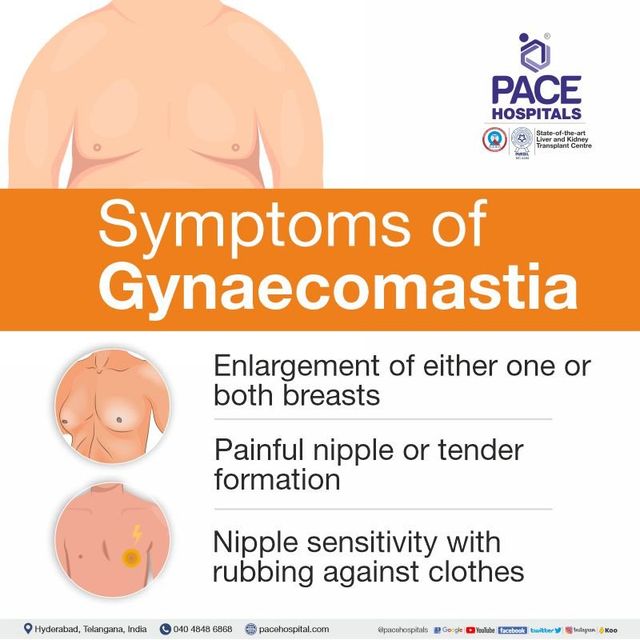
Gynecomastia is simply the enlargement of male breast tissue. Its usually caused by hormonal shifts (like higher estrogen or lower testosterone), certain medications, or excess weight. The tissue feels soft, rubbery, and often painless kind of like a small, harmless button under the skin.
What is male breast cancer?
Male breast cancer is rare but real. It typically appears as a hard, irregular lump and may come with skin or nipple changes. Risk factors include age (most cases pop up after 60), family history, radiation exposure, and certain genetic mutations.
Sidebyside comparison
| Feature | Gynecomastia | Male Breast Cancer |
|---|---|---|
| Texture | Soft, movable | Hard, irregular |
| Pain | Often tender | May be painless |
| Skin changes | Rare | Dimpling, puckering, scaling |
| Nipple changes | Mild, if any | Inward turning, discharge, ulceration |
| Growth rate | Slow, stable | Can enlarge quickly |
Why the confusion matters
Because the signs can look alike, many men ignore early warnings. A delayed diagnosis can mean a later stage when treatment is tougher. Trusted sources like the Mayo Clinic stress the importance of getting any new breast change checked promptly.
Key Symptoms
Painless lump
The most common red flag is a firm, painless lump under the nipple or elsewhere in the breast tissue. Unlike the soft swell you see with gynecomastia, cancerous lumps feel rockhard.
Skin alterations
Look out for dimpling (like orange peel), puckering, scaling, or a noticeable change in color. These skinlevel changes happen when a tumor pulls on surrounding tissue.
Nipple abnormalities
Any sudden inversion, scaling, discoloration, or discharge (especially bloody or clear fluid) should raise an alarm. While gynecomastia can make the nipple slightly more prominent, it rarely causes discharge.
Swollen armpit nodes
If you feel tender, enlarged lymph nodes under your arm, it could indicate that a tumor is spreading beyond the breast.
Persistent pain
Gynecomastia can be sore, but steady, unrelenting pain that doesnt improve with time may point toward a more serious issue.
Realworld glimpse
John, a 58yearold accountant, brushed off a hard lump for months, assuming it was just gynecomastia. When the lump grew and his nipple started to pull inward, he finally saw a doctor. A biopsy confirmed earlystage cancer, and because he acted promptly, his treatment was straightforward and successful. Stories like Johns highlight why awareness matters.
When to Seek Help
Immediate red flags
If you notice rapid growth, nipple discharge, skin ulceration, or a new hard lump thats changing within two to four weeks, call your healthcare provider right away.
Watchandwait signs
A soft, stable lump thats not growing over three months can often be monitored, but still deserves a professional eye. Its better to be sure than to wonder later.
Talking to your doctor
When you schedule an appointment, be ready to describe:
- Exact size (in centimeters or inches)
- Texture (soft vs. firm)
- Duration (how long youve noticed it)
- Any changes in skin or nipple
- Associated pain or swelling
Clear details help clinicians zero in on the cause faster.
Quick appointment checklist
- Note when you first felt the lump
- Measure its size with a ruler or tape
- Feel for hardness or mobility
- Check skin and nipple for changes
- Write down any pain or swelling
Diagnostic Pathway
Selfexam steps
Stand in front of a mirror, raise your arms, and look for any asymmetry or skin changes. Then, while lying down, use the pads of your fingers to gently press around the breast tissue, noting any hard spots.
Primarycare evaluation
Your doctor will start with a physical exam and detailed history, then decide which imaging test is appropriate.
Imaging options
Ultrasound is usually the first line it distinguishes solid from fluidfilled lumps. If the ultrasound is inconclusive, a mammogram (yes, men can get mammograms) or an MRI might be ordered for a clearer picture.
Biopsy the definitive test
When imaging suggests cancer, a coreneedle biopsy removes a tiny tissue sample for lab analysis. This step confirms whether the cells are benign or malignant. According to a study in American Cancer Society, biopsy is the gold standard for diagnosis.
Expert insight
Dr. Emily Rivera, a surgical oncologist at a leading cancer center, emphasizes: Never assume a lump is benign without imaging and, when needed, a biopsy. Early detection saves lives and often allows for less aggressive treatment.
Treatment Landscape
Gynecomastia management
If the lump turns out to be benign gynecomastia, options range from simple lifestyle tweaks (weight loss, adjusting meds) to prescription drugs that balance hormones, and in persistent cases, surgical removal.
Male breast cancer care
When cancer is confirmed, treatment depends on stage and overall health:
- Surgery: Lumpectomy (removing the tumor only) or mastectomy (removing the whole breast). Lymph nodes are often checked at the same time.
- Radiation therapy: Used after surgery to kill remaining cancer cells.
- Hormone therapy: Drugs like tamoxifen block estrogen, which many male breast cancers rely on.
- Chemotherapy: Reserved for larger or more advanced tumors.
Outcome statistics
Fiveyear survival rates hover around 90% for earlystage disease, dropping to about 45% for metastatic cases. This stark contrast underscores why catching symptoms early is so crucial.
Sideeffects and quality of life
Every treatment has tradeoffs. Surgery can affect chest appearance, radiation may cause skin irritation, and hormone therapy can bring mood changes. Discussing these possibilities with your care team helps you weigh benefits against risks.
Bottom Line
In a nutshell, most breast changes in men are benign gynecomastia, but a hard, painless lump, skin or nipple alterations, and swollen armpit nodes are red flags for cancer. If any of these symptoms appear, dont waitschedule a checkup. Early detection can mean a simpler treatment journey and a brighter outlook.
Take a moment now to do a quick selfexam. If something feels off, trust your instincts and reach out to a medical professional. Your health is worth that extra step.
Feel free to share your thoughts or experiences with a trusted friend, or even jot them down for your next doctors visit. Knowledge and awareness are powerful toolslets use them together.