Not medical advice — written by Ngoc Vietsmall, who is not a healthcare professional.
This article summarises publicly available medical information for general readers. It cannot account for your history, medication or symptoms, and it is not a diagnosis or a treatment plan. Any dose mentioned comes from published labelling or guidelines — only your own prescriber can decide what is right for you.
Always speak to a doctor or pharmacist before starting, stopping or changing any treatment. If symptoms are severe or getting worse, seek urgent care. Full disclaimer · How this is written
Feel that uncomfortable pressure in your belly and wonder why it wont just disappear? The fastest answer: sip a cup of warm ginger water, then try the kneetochest stretch. In most cases youll feel the bulge ease within 510minutes.
But if the bloating keeps coming back, youll need more than a oneoff trick. Below youll find instantaction remedies, solid lifestyle tweaks, and when its time to call a professional all written the way a friend would explain it over a cup of tea.
Why Gas Builds
What is excessive gas and what does it mean?
Everyone produces gas; its how our gut microbes break down food. Excessive usually means three or more noticeable episodes a day, or pain that lasts longer than 30minutes. According to the Mayo Clinic, occasional bloating is normal, but chronic gas can hint at an underlying issue.
Common everyday causes
- Swallowed air chewing gum, drinking through a straw, or eating too fast.
- Fermentable foods beans, broccoli, cabbage, onions, and highfiber grains.
- Gut dysbiosis an imbalance of bacteria, often after antibiotics or with IBS.
Genderspecific triggers why women notice it more
Hormonal fluctuations during the menstrual cycle can slow gut motility, making gas linger. A study from the Cleveland Clinic notes that pelvicfloor muscle tone, which can differ between sexes, also plays a role in how trapped gas feels. So if youre a female and notice more bloating after a period, youre not alone.
Instant Relief Tips
Positions that work now
These moves cost nothing and can be done at your desk or on the couch:
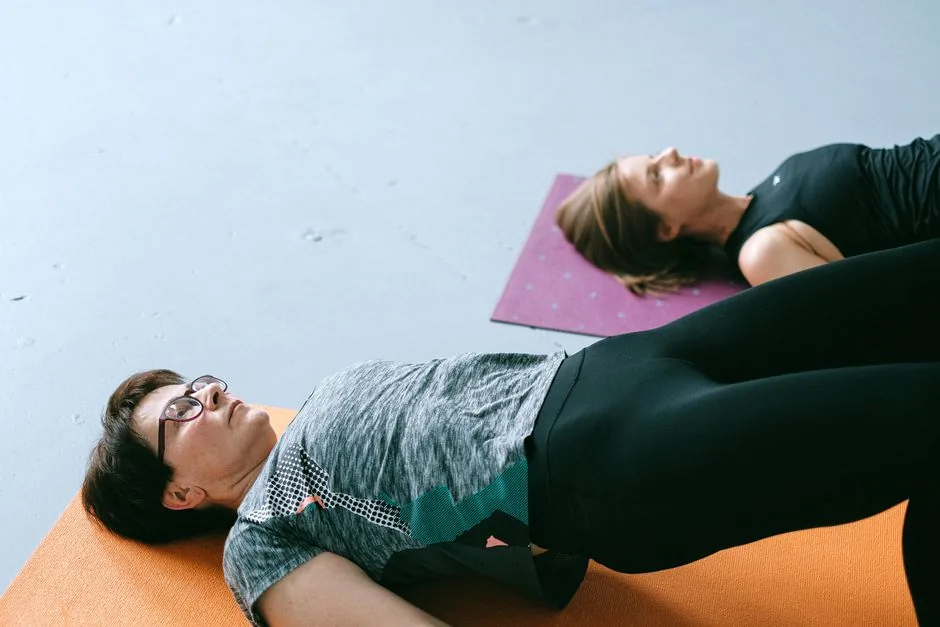
- Kneetochest stretch: Lie on your back, pull both knees to your chest, and gently rock sidetoside.
- Leftside lying: The colons natural curve makes gas migrate more easily when you rest on your left.
- Catcow yoga pose: On all fours, arch your back up (cat) then dip it down (cow) for a few breaths.
Homeremedy quick fixes
Try one of these at the first sign of bloat:
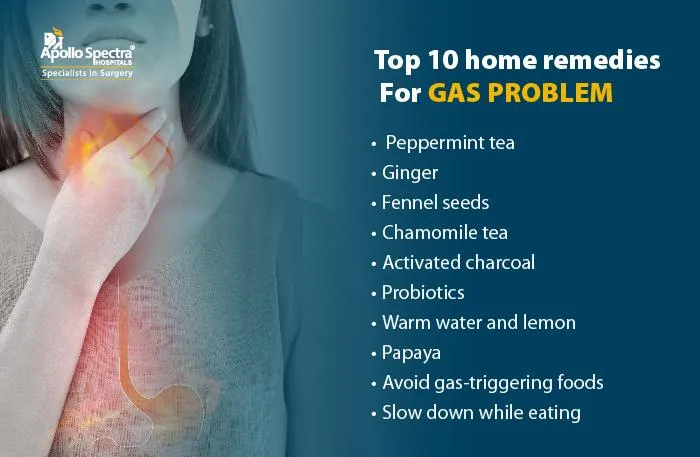
- Warm gingerwater: Slice a thumbsize piece of fresh ginger, steep in 8oz of hot water for 5minutes, add a pinch of honey, and sip slowly.
- Peppermint tea: One cup after meals can relax smooth muscle in the intestines.
- Baking soda solution: Mix tsp baking soda in a glass of water. It neutralizes stomach acid, but use sparingly too much can cause alkalosis.
OTC medicine that acts fast
If you prefer a pill, simethicone (found in GasX or Mylicon) works by coalescing gas bubbles so theyre easier to pass. Typical adult dose: 125mg after meals, up to four times daily. For those seeking a natural alternative, activated charcoal tablets are sometimes used, though evidence is mixed.
When instant methods wont help
Persistent pain, vomiting, weight loss, or blood in the stool are redflag signs. If any of these occur, schedule a visit with a gastroenterologist a quick fix isnt enough when something serious may be brewing.
LongTerm Strategies
Dietary overhaul
Changing what you eat is the most reliable way to keep gas at bay. Below is a quicklook table that tells you what to skip and what to embrace.
| Avoid | Include |
|---|---|
| Carbonated drinks, beans, cruciferous veg, onions, highFODMAP fruits | Ginger, peppermint, fennel seeds, lowFODMAP bananas, kiwi, oats |
To make it easier, heres a simple 7day meal plan you can copypaste into your phone. Breakfasts are all about gentle fiber (like oatmeal with sliced banana), lunches pair lean protein with lowFODMAP veggies, and dinners keep it light think grilled fish, steamed carrots, and a side of rice.
Probiotic & prebiotic balance
Specific probiotic strains, such as Bifidobacterium infantis and Lactobacillus rhamnosus, have been shown to reduce bloating by improving gut flora. A daily serving of a reputable probiotic yogurt (look for live & active cultures) or a capsule like Culturelle can make a difference within a few weeks.
Lifestyle habits
- Eat slowly, chew each bite at least 20 times it reduces swallowed air.
- Stay hydrated with roomtemperature water; icy drinks can slow digestion.
- Take a 15minute walk after meals gentle movement helps the intestines push gas forward.
- Practice stressrelief techniques; deep breathing or a short meditation can calm the gutbrain axis, which often fuels gas during anxiety.
When to seek professional help
If youve tried diet tweaks and still suffer more than two weeks of uncomfortable bloating, its time for a deeper look. Your doctor may order a breath test for smallintestinal bacterial overgrowth (SIBO) or a stool analysis to check for malabsorption. Treatments could involve prescription antibiotics like rifaximin or targeted dietary plans.
Medical interventions
For chronic cases linked to IBS, doctors sometimes prescribe lowdose antispasmodics (e.g., dicyclomine) or fiber supplements (psyllium husk). These options have benefits and risks, so a qualified physician should weigh them against your personal health history.
RealWorld Experiences
Let me share a couple of stories that illustrate how these tips play out in daily life.
Case study 1 Sarahs monthly bloating battle
Sarah, a 34yearold graphic designer, used to dread the middle of every menstrual cycle because her stomach felt like a balloon. After a fourweek lowFODMAP trial, her episodes dropped from daily to once a month. She told me, The ginger water was my lifesaver, but the real change came when I started the leftside sleeping position at night.
Case study 2 Mikes quickfix experiment
Mike, 58, tried simethicone and the kneetochest stretch whenever he felt a rumble after dinner. The immediate relief was great, but the bloating kept returning. When he added a daily probiotic and cut soda, his gas frequency halved in three weeks. It taught me that a pill can calm the storm, but you need to stop feeding the clouds, he joked.
Reader tip that stuck
One of our email subscribers wrote, I started a fiveminute winddown walk after every evening meal, and the gas just stopped showing up. Its a reminder that sometimes the simplest habit becomes the most powerful.
Further Reading
For deeper dives, you might explore these trusted sources:
- Cleveland Clinic Gas & Bloating
- National Institute of Diabetes and Digestive and Kidney Diseases (NIDDK) Understanding Gas
Final Thoughts
Quick tricks like a ginger sip or a simple stretch can give you instant relief, but lasting comfort comes from smarter eating, mindful habits, and a little help from probiotics when needed. Keep an eye on warning signs persistent pain, weight loss, or blood in your stool are signals to see a doctor.
Give one of the instant methods a try today, bookmark this guide for your next grocery trip, and feel free to share your own success stories. Remember, youre not alone in this bloat battle, and with the right mix of actions, the pressure will finally lift.