Not medical advice — written by Ngoc Vietsmall, who is not a healthcare professional.
This article summarises publicly available medical information for general readers. It cannot account for your history, medication or symptoms, and it is not a diagnosis or a treatment plan. Any dose mentioned comes from published labelling or guidelines — only your own prescriber can decide what is right for you.
Always speak to a doctor or pharmacist before starting, stopping or changing any treatment. If symptoms are severe or getting worse, seek urgent care. Full disclaimer · How this is written
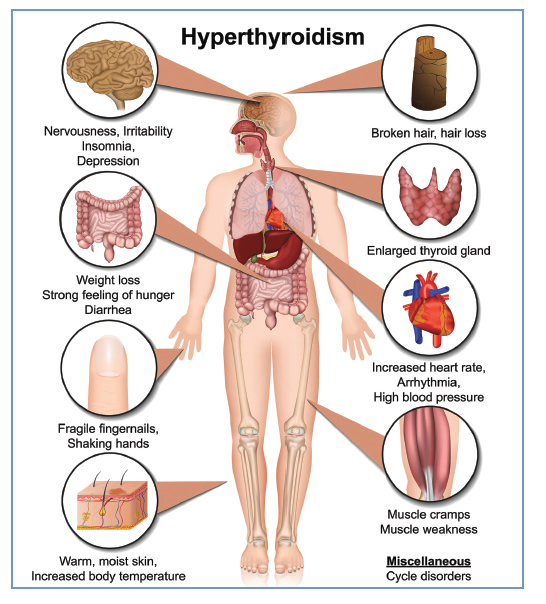
Youre probably wondering why you feel jittery, hot, or losing weight without tryingthose are classic signs of an overactive thyroid in women. Read on for a fasttrack rundown of the most common symptoms, what triggers them, and when to get help, all in plainEnglish.
Think of this as a chat over coffee, where Ill share what Ive learned from doctors, patients, and a few personal stories. No fluff, just the info you need to feel confident about your health.
What Is Hyperthyroidism?
Hyperthyroidism, or an overactive thyroid, happens when your thyroid gland pumps out too much thyroid hormone. Imagine your bodys metabolism as a car enginehyperthyroidism is like stepping on the gas pedal all the time. The result? Faster heartbeats, heated skin, and a cascade of other changes that most often hit women more than men. Studies show women are 510times more likely to develop the condition, largely because estrogen can influence thyroid hormone pathways.
How does it differ from an underactive thyroid?
While hyperthyroidism speeds things up, an underactive thyroid (hypothyroidism) slows everything down. If youre curious about how the symptoms compare, the table below lays it out side by side.
| Feature | Overactive (Hyper) | Underactive (Hypo) | Typical Female Presentation |
|---|---|---|---|
| Metabolism | Weight loss vs. weight gain | ||
| Heart Rate | Tachycardia | Bradycardia | Palpitations vs. fatigue |
| Mood | Anxiety, irritability | Depression, sluggishness | Common in both, but opposite tones |
| Energy | Restlessness, insomnia | Constant tiredness | Often confused with stress |
| Menstrual Cycle | Lighter, less frequent | Heavier, more painful | Hormonal swings amplify each condition |
Core Symptom Checklist
Heres the hyperthyroidism symptoms checklist that will help you spot the red flags early. If you notice two or three of these, its time to chat with a healthcare professional.
Top 5 MustKnow Signs
- Rapid heartbeat or palpitations your heart feels like its racing a marathon.
- Unexplained weight loss despite a healthy appetite.
- Heat intolerance youre sweaty even in a mild room.
- Feelings of anxiety or irritability that seem out of proportion.
- Changes in menstrual flow lighter periods or missed cycles.
Realworld anecdote
Emily, 34, thought her just a lot of coffee anxiety was workrelated. After a simple blood test, she discovered she had hyperthyroidism. A quick prescription and lifestyle tweaks helped her feel like herself again within weeks.
All 19 Signs of Thyroid Problems (FemaleFocused)
Beyond the top five, there are many subtle cues that can slip under the radar. Heres the full list, especially useful if youre trying to differentiate from the underactive thyroid symptoms in females:
- Tremor, especially in the hands
- Frequent bowel movements or diarrhea
- Muscle weakness (often thighs)
- Insomnia or restless sleep
- Hair thinning or fine, silky texture
- Warm, soft skin that feels peachy
- Feeling of a lump in the throat (goitre)
- Eye changes bulging, dry eyes, double vision (Graves' disease)
- Increased appetite yet weight loss
- Fatigue that feels different from typical tiredness
- Heat flashes or hot sweats
- Elevated blood pressure
- Nervousness that escalates quickly
- Rapid menstrual cycles or amenorrhea
- Difficulty concentrating (brain fog)
- Bone loss risk (especially if untreated long term)
- Elevated cholesterol (paradoxically in some cases)
- Joint pain or stiffness
- Feeling unusually warm in the face
Quicklook infographic idea
If you were designing a visual, you could place each of the 19 points in a grid of iconsperfect for a featured snippet on Google.
What Triggers It?
Knowing what causes overactive thyroid can help you avoid or manage triggers. While genetics play a role, several external factors can tip the balance.
Autoimmune Graves Disease
Graves' disease is the most common cause. Your immune system creates antibodies (thyroidstimulating immunoglobulins) that tell the thyroid to crank out more hormone. According to a review by the Mayo Clinic, about 80% of hyperthyroid cases are linked to Graves'.
Other Contributors
- Thyroid nodules or adenomas that independently produce hormone.
- Excess iodine intakethink kelp supplements or heavily iodized salt.
- Medications such as amiodarone or lithium.
- Radiation exposure to the neck or upper chest (e.g., certain cancer treatments).
Case study: From supplement to symptoms
A 29yearold woman began taking highiodine kelp tablets for detox. Six months later she experienced palpitations and weight loss. Blood work confirmed hyperthyroidism, and discontinuing the supplement helped stabilize her levels.
How Doctors Diagnose
Diagnosing hyperthyroidism is a straightforward blend of lab work and imaging. The same checklist youre reading now helps doctors decide which tests to order.
Blood Tests Youll Hear About
- TSH typically low in hyperthyroidism because the pituitary is trying to slow things down.
- Free T4 and T3 both are usually high, confirming excess hormone.
- TSI (Thyroidstimulating immunoglobulin) positive results point to Graves' disease.
Imaging & Other Exams
- Thyroid ultrasound shows whether the gland is uniformly enlarged (diffuse goitre) or contains nodules.
- Radioactive iodine uptake (RAIU) scan helps differentiate Graves' from toxic nodular goitre by measuring how much iodine the thyroid absorbs.
Sample lab result screenshot (visual aid)
In a full article you might include a mock lab report to demystify the numbers for readers.
Treatment Options
When it comes to overactive thyroid treatment, theres a menu of choices. Your doctor will tailor the plan based on your age, severity, and personal preferences.
FirstLine Medicines
- Antithyroid drugs Methimazole is the goto; it blocks hormone production. PTU is another option, mainly for pregnant women.
- Betablockers Often prescribed alongside antithyroid meds to tame a racing heart and tremor while waiting for labs to normalize.
Definitive Therapies
- Radioactive iodine ablation A single oral dose shrinks the thyroid over weeks to months. Ideal for most adults, but not recommended for women planning pregnancy soon.
- Surgical removal (thyroidectomy) Considered when a large goitre causes breathing issues, when cancer is suspected, or when radiation isnt suitable.
Decisionmaking flowchart (visual)
A simple flowchart could guide readers from diagnosis to choosing medication, radioiodine, or surgery based on key factors.
Lifestyle & SelfCare Tips
- Maintain a balanced diet rich in calcium and vitaminDhyperthyroidism can weaken bones.
- Practice stressreduction techniques (mindful breathing, gentle yoga). Stress doesnt cause hyperthyroidism, but it can amplify symptoms.
- Schedule regular followup labs; even after treatment, your TSH can swing, and catching changes early prevents complications.
Hyper vs. Hypo: The Overlap
Its easy to get confused because some symptomslike fatigue or mood swingsappear in both conditions. Below is a quick sidebyside look that also touches on how men experience the disease.
Quick Comparison Table
| Symptom | Women Hyper | Men Hyper | Women Hypo |
|---|---|---|---|
| Mood | Anxiety, irritability | Restlessness | Depression, sluggishness |
| Weight | Loss despite appetite | Similar loss | Gain |
| Heart Rate | Tachycardia | Palpitations, sometimes chest pain | Bradycardia |
| Muscle | Weakness (especially thighs) | More pronounced muscle wasting | General stiffness |
| Menstrual Cycle | Lighter or missed periods | N/A | Heavier, painful periods |
Why Hormone Differences Matter
Endocrinologists note that estrogen can increase the amount of thyroidbinding globulin, altering how much hormone is free to act on tissues. This partly explains why women often feel the metabolic surge more intensely.
When to Seek Help
Most hyperthyroid cases are manageable, but a few redflag scenarios demand urgent attention.
Thyrotoxic Crisis (Storm)
Also called a thyroid storm, this emergency presents with high fever, heart rate >130bpm, confusion, vomiting, and severe agitation. If you or someone you know shows these signs, call emergency services right away.
Persistent Menstrual Irregularities or Infertility
Hormonal imbalance can affect ovulation. If youve missed several cycles or are struggling to conceive, a thyroid panel is a prudent first step.
Eye Changes (Graves Ophthalmopathy)
Bulging eyes, dryness, or double vision signal Graves' disease affecting the orbital tissue. Early treatment can prevent permanent damage.
Resources & Further Reading
For trusted, uptodate information, you can explore these reputable sources:
- The NHS page on hyperthyroidism provides clear guidance on symptoms, diagnosis, and treatment pathways.
- The American Thyroid Association offers patientfocused articles and links to support groups.
Both sites are regularly reviewed by medical professionals, ensuring the facts you read are reliable.
Conclusion
Understanding overactive thyroid symptoms in females isnt just about checking boxesits about listening to your body and acting early. From the rapid heartbeat to subtle menstrual changes, each clue can guide you toward proper testing and effective treatment. If two or more of the signs above resonate with you, consider scheduling a blood test for TSH, Free T4, and T3. Early diagnosis opens the door to a range of safe treatments, from antithyroid medication to radioiodine therapy, and empowers you to regain balance.
Remember, youre not alone on this journey. Share your experience with a trusted friend or a support community, and let your voice be part of the conversation. If you have questions or want to tell us how youve managed your thyroid health, feel free to reach outtogether we can turn uncertainty into confidence.