



Not medical advice — written by Ngoc Vietsmall, who is not a healthcare professional.
This article summarises publicly available medical information for general readers. It cannot account for your history, medication or symptoms, and it is not a diagnosis or a treatment plan. Any dose mentioned comes from published labelling or guidelines — only your own prescriber can decide what is right for you.
Always speak to a doctor or pharmacist before starting, stopping or changing any treatment. If symptoms are severe or getting worse, seek urgent care. Full disclaimer · How this is written
Quick Answers Overview
What is Brilinta tablet? It is a brand-name version of ticagrelor, an antiplatelet pill that helps keep blood from clotting following a heart attack, unstable angina that required medical attention, or stent placement. Think of it as a traffic controller that tells platelets to stay in their lane.
What are the potential benefits? Evidence suggests that by reducing the chance of clotting, Brilinta may lower the risk of subsequent cardiovascular events, including heart attack or stroke. However, like any medication that affects blood clotting, it carries both benefits and risks that are important to understand.
This article is for educational purposes only and does not constitute medical advice. Always consult a qualified healthcare professional for any health concerns or before starting, stopping, or changing any medication.
How It Works
Mechanism of action ticagrelor explained
Ticagrelor (the active ingredient in Brilinta) blocks the P2Y receptor on platelets. Normally, ADP binds to this receptor, pressing the gas pedal that makes platelets stick together. When ticagrelor takes the seat, it blocks that pedal, so platelets stay relaxed and less likely to form a dangerous clot.
What does 90mg tablet mean?
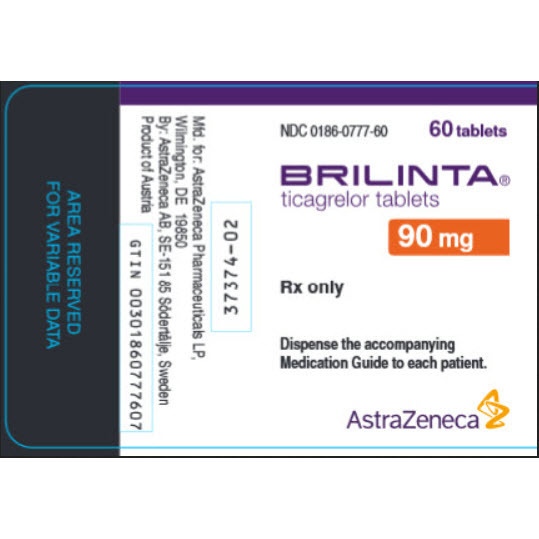
The official prescribing information states that the most common maintenance dose is a 90mg tablet taken twice daily, usually together with a low-dose aspirin. This dosage was selected based on studies that indicated a favorable balance between clot prevention and bleeding risk. Only a prescriber can determine the right dose for an individual.
Evidence behind the drug
The goldstandard study is the PLATO trial. In more than 18,000 patients with acute coronary syndrome, Brilinta cut the combined risk of cardiovascular death, heart attack, or stroke by about 30% compared with clopidogrel (Plavix). The trial also showed a faster onset of action platelets were inhibited within two hours.
Key takeaway
- Blocks P2Y receptors less platelet aggregation.
- 90mg twice daily is the standard dose according to the label.
- Backed by robust clinical data (PLATO).
When To Use
Primary indications why your doctor might prescribe it
Brilinta is typically recommended following:
- A recent heart attack (myocardial infarction).
- Unstable angina that led to hospitalization.
- Placement of a coronary stent, to keep the stent clear.
Special scenarios
Some patients who cannot tolerate clopidogrel because of genetic factors or sideeffects may be switched to Brilinta. In highrisk percutaneous coronary interventions (PCI), doctors often choose Brilinta for its stronger platelet inhibition.
Brilinta 90mg vs. other doses
While a 60mg loading dose exists, it is rarely used outside of clinical trials. The 90mg maintenance dose is the one that showed consistent benefit in the PLATO trial and is typically the dose seen on pharmacy labels; however, the prescriber decides the final regimen.
Comparison with Plavix
| Feature | Brilinta (ticagrelor) | Plavix (clopidogrel) |
|---|---|---|
| Onset of action | ~2hours | ~6hours |
| Reversibility | Reversible binding | Irreversible binding |
| Major bleeding risk | Slightly higher | Lower |
| Typical cost | Varies by insurance and pharmacy | Varies by insurance and pharmacy |
Key Benefits & Risks
Potential benefits
When taken as prescribed, evidence suggests that Brilinta may:
- Reduce the chance of another heart attack by roughly onethird.
- Lower the risk of stroke in people with recent coronary events.
- Offer fast protection platelet inhibition starts within a couple of hours.
Common side effects
Many people experience mild, manageable symptoms:
- Bleeding gums, easy bruising, or nosebleeds.
- Shortness of breath (dyspnea) a strange, often nonpainful feeling of tightness.
- Headache or dizziness.
These side effects were documented in the FDAs label information (see DailyMed for details). Unusual bruising or bleeding that does not stop should be reported to a doctor promptly.
Serious adverse events
The big concerns are major bleeding, including intracranial hemorrhage, and interactions with strong CYP3A4 inhibitors (like certain antifungals). Always let your pharmacist know about every prescription, overthecounter drug, and supplement youre taking.
Who should avoid Brilinta?
- Active, uncontrolled bleeding.
- Severe liver disease (the drug is processed in the liver).
- Known hypersensitivity to ticagrelor or any tablet ingredients.
- Pregnant or breastfeeding women discuss alternatives with a cardiologist.
Foods and lifestyle to watch
The most talkedabout food interaction is grapefruit (and its juice). Grapefruit can increase ticagrelor levels, nudging you closer to a bleeding risk. Alcohol, especially in large amounts, also tips the scales toward bleeding, so moderation is wise.
Quick checklist
- Avoid grapefruit and grapefruit juice.
- Limit alcohol to one drink a day, or follow your doctors advice.
- Report any unexplained bruises or prolonged nosebleeds.
How To Take It
Dosing schedule according to the label
The FDA-approved label indicates that the usual dose is one 90mg tablet twice daily, ideally with a light snack to reduce stomach irritation, taken roughly 12 hours apart. However, only the prescribing clinician can determine the exact schedule and dose for an individual.
Swallowing tips
The tablet should be swallowed whole with a full glass of water; crushing or chewing is not recommended, as it may affect how the drug is released.
Interaction checklist
Before starting Brilinta, a person should review all medications with their pharmacist or prescriber, especially these common culprits:
- Strong CYP3A4 inhibitors (e.g., ketoconazole, clarithromycin).
- Other blood thinners (warfarin, apixaban) they can boost bleeding risk.
- Nonsteroidal antiinflammatory drugs (NSAIDs) like ibuprofen.
What to expect in the first weeks
Many people do not notice significant symptoms; some may experience mild shortness of breath that usually resolves after a few days. A doctor may order a basic blood count (CBC) after a week to monitor platelet levels.
Cost & savings options
As of 2025, the cost of Brilinta can vary based on pharmacy and insurance coverage. If you are looking to manage expenses, the manufacturer offers a Brilinta coupon and a patientassistance program that may help reduce outofpocket costs.
Storage & disposal
Store Brilinta at room temperature, away from heat and moisture. When a bottle is empty, follow local guidelines for disposing of medications many pharmacies have a dropoff box for safe disposal.
Practical Usage Tips
Realworld story
John, a 62yearold retired teacher, was prescribed Brilinta after a stent placement. He was nervous about bleeding, especially since he loved weekend gardening. By setting an alarm on his phone for the morning and evening doses, and keeping a small water bottle in his garden shed, he never missed a pill. After a month, his blood work showed stable platelets, and his garden flourished alongside his heart health.
Checklist you can print
| Item | Action |
|---|---|
| Medication schedule | The label typically advises 90mg twice daily with a snack; the prescriber confirms the actual regimen. |
| Bleeding signs | Report unusual gum bleeding, nosebleeds, or bruising to a doctor. |
| Foods to avoid | The label advises against grapefruit and grapefruit juice. |
| Medication interactions | Discuss all other medications and supplements with a pharmacist or prescriber. |
| Cost assistance | Explore the manufacturer coupon or assistance program. |
Conclusion
Brilinta may be a useful option for individuals recovering from a heart attack, unstable angina, or stent placement. It works quickly, may reduce the risk of another cardiac event, and is backed by solid clinical data. At the same time, it carries a real need for vigilance—watch for bleeding, stay clear of grapefruit, and keep an eye on any shortness of breath. By adhering to the regimen recommended by the healthcare team, using available cost-savings tools, and staying in touch with your doctor and pharmacist, you can help maximize the heart-protecting benefits while minimizing the downsides.
If you have been prescribed Brilinta or are considering it, remember that your doctor, pharmacist, and even friends who have walked this path are valuable resources. Stay informed, ask questions, and always consult your healthcare provider before making any changes to your treatment.








