Not medical advice — written by Ngoc Vietsmall, who is not a healthcare professional.
This article summarises publicly available medical information for general readers. It cannot account for your history, medication or symptoms, and it is not a diagnosis or a treatment plan. Any dose mentioned comes from published labelling or guidelines — only your own prescriber can decide what is right for you.
Always speak to a doctor or pharmacist before starting, stopping or changing any treatment. If symptoms are severe or getting worse, seek urgent care. Full disclaimer · How this is written
Short answer: Yes—most clots that form inside the heart can be broken down with medication, and in some cases the body’s own cleanup system does the job on its own. But the success depends on how big the clot is, where it’s sitting, and how quickly you get proper care.
Why does this matter? A clot that blocks blood flow in the heart can trigger a heart attack, stroke, or even a fatal arrhythmia. Knowing the options, the risks, and the warning signs can be the difference between a quick recovery and a life‑changing emergency.
Understanding Heart Clots
What is a blood clot in the heart called?
Medical professionals refer to it as an intracardiac thrombus or simply a cardiac clot. The term “thrombus” just means a clot that forms in a blood vessel or heart chamber, and when it stays there it can cause serious trouble.
How do heart clots form? What causes a blood clot in the heart?
Think of the heart as a busy highway. Anything that slows traffic—like a broken‑down car—creates a jam. In the heart, the “cars” are blood cells, and the “jam” can happen when:
- Blood starts to pool because the heart isn’t pumping efficiently (common in atrial fibrillation).
- The inner lining of the heart gets injured after a heart attack.
- Artificial valves or other foreign objects give blood something to cling to.
- Underlying clotting disorders make your blood extra “sticky.”
These are the main culprits that American Heart Association lists in its guidelines.
Early‑stage symptoms of a heart clot
Spotting a problem early can buy you precious minutes. Typical clues include:
- Sudden, unexplained shortness of breath.
- A vague pressure or heaviness in the chest that isn’t classic “sharp” pain.
- Palpitations that feel “out of rhythm.”
- Unusual fatigue, even after light activity.
These aren’t definitive diagnoses, but they’re the kind of early stage blood clot symptoms in heart that should push you to call emergency services right away.
| Type of Thrombosis | Typical Location | Key Risk Factors | Common Treatment |
|---|---|---|---|
| Arterial thrombosis | Coronary arteries, carotid arteries | Atherosclerosis, smoking | Antiplatelet drugs, thrombolytics |
| Venous thrombosis | Deep veins of legs, pulmonary arteries | Immobility, cancer | Anticoagulants |
| Cardiac (intracardiac) thrombus | Heart chambers or valves | AFib, recent MI, prosthetic valve | Anticoagulation, thrombolysis, surgery |
| Cerebral thrombosis | Brain arteries | Hypertension, clotting disorders | Thrombolytics, mechanical thrombectomy |
| Peripheral arterial thrombosis | Limb arteries | Diabetes, peripheral artery disease | Thrombolytics, bypass surgery |
Can It Be Dissolved?
Medical dissolution: Thrombolytic therapy
Thrombolytics—often called “clot‑busting drugs”—activate the enzyme plasmin, which chews through fibrin, the glue that holds clots together. The most widely used agent is tissue‑type plasminogen activator (tPA). When given within a few hours of symptom onset, tPA can dissolve a clot in minutes, restoring blood flow and often averting permanent heart damage.
According to a recent study in The New England Journal of Medicine, patients who receive thrombolysis within 3‑6 hours of a cardiac clot have a survival rate exceeding 80 %.
When medication isn’t enough – surgical & procedural options
Sometimes a clot is too big or too firmly attached for drugs alone. In those cases, doctors may turn to:
- Catheter‑directed thrombolysis: A tiny tube delivers a high dose of clot‑busting medication right to the blockage, often combined with gentle suction.
- Mechanical thrombectomy: Specialized tools physically pull the clot out, similar to a fishing line retrieving a fish.
- Open‑heart surgery (embolectomy): Reserved for massive clots that threaten immediate death.
These procedures are performed in specialized cath labs or operating rooms, and they carry their own set of risks, which we’ll unpack later.
Natural fibrinolysis – can the body dissolve it on its own?
Our bodies are equipped with a natural cleanup crew. The fibrinolytic system constantly produces small amounts of plasmin that chip away at tiny clots. Certain lifestyle choices can support this process:
- Eating oily fish rich in omega‑3 fatty acids.
- Regular moderate exercise, which boosts circulation.
- Low‑dose aspirin (if your doctor says it’s safe) – it nudges the fibrinolytic pathway.
However, when a clot is the size of a golf ball and sitting in a coronary artery, the natural system simply can’t keep up. That’s why the phrase “how to dissolve blood clots naturally” often applies only to small, incidental clots, not to life‑threatening cardiac ones.
| Approach | Mechanism | Typical Onset | Key Benefits | Main Risks |
|---|---|---|---|---|
| Thrombolytics (tPA) | Enzyme‑mediated fibrin breakdown | Minutes‑hours | Rapid restoration of flow | Bleeding, intracranial hemorrhage |
| Catheter‑directed | Localized high‑dose drug + mechanical agitation | Hours | Targets large clots, less systemic bleed | Invasive, requires cath lab |
| Surgery (embolectomy) | Physical removal | Immediate | Definitive for massive clot | Anesthesia risk, infection |
| Natural methods | Supports endogenous plasmin activity | Days‑weeks | Non‑invasive, low cost | May be insufficient for acute clots |
Risks and Benefits
Benefits of dissolving a heart clot quickly
When you restore blood flow fast, you give heart muscle cells a chance to survive. That translates to lower chances of permanent damage, a better chance of returning to normal activities, and, most importantly, a higher survival rate. In fact, the same CDC data shows that early intervention can cut mortality by half for certain types of cardiac thrombosis.
Potential complications of thrombolysis
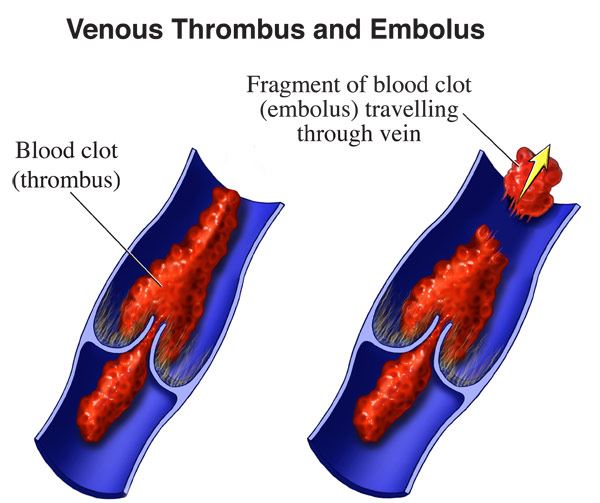
Every powerful medicine carries a price. The most serious side effect of clot‑busting drugs is bleeding—sometimes internal, occasionally in the brain. Other risks include allergic reactions, low blood pressure, and, rarely, re‑occlusion if a fragment of the clot breaks off and travels downstream.
Who should not receive clot‑dissolving drugs?
Doctors usually hold back thrombolytics if you’ve had:
- Major surgery or a serious head injury in the past 3 weeks.
- Active gastrointestinal bleeding.
- Uncontrolled high blood pressure (over 185/110 mm Hg).
- A known bleeding disorder.
In those scenarios, the safer path may be catheter‑directed removal or surgical extraction.
Real‑world case study
Take the story of Mark, a 58‑year‑old accountant who lived with atrial fibrillation for years. One evening he felt an odd “tightness” in his chest and called 911. The ER team confirmed an intracardiac clot and administered tPA within 4 hours. Mark’s clot dissolved, his rhythm normalized, and he was discharged after a short stay with a prescription for lifelong anticoagulation. The experience taught him the value of rapid action and regular check‑ups.
Stories like Mark’s—documented in Verywell Health—show both the life‑saving potential and the need for careful patient selection.
Practical Guidance Steps
Immediate actions if you suspect a heart clot
1. Call emergency services right away. Time is muscle.
2. Note the exact time your symptoms began—this helps doctors decide whether thrombolytics are an option.
3. Don’t self‑medicate with over‑the‑counter blood thinners unless a doctor has already prescribed them.
Questions to ask your cardiologist
- What is the size and exact location of the clot?
- Do I qualify for clot‑busting medication, or is a procedure recommended?
- What anticoagulation plan should I follow after the clot is dissolved?
- How will we monitor me for potential recurrence?
Lifestyle tweaks that support clot prevention & natural fibrinolysis
While you’re not waiting for a crisis, these habits keep your blood flowing smoothly:
- Eat heart‑healthy: Salmon, walnuts, leafy greens, and berries—all rich in antioxidants and omega‑3s.
- Stay active: Aim for at least 150 minutes of moderate aerobic exercise each week.
- Quit smoking: Even occasional cigarettes tip the balance toward clot formation.
- Maintain a healthy weight: Obesity raises clotting factors in the bloodstream.
- Manage stress: Chronic stress can increase platelet activation.
Quick‑reference checklist (downloadable PDF)
Feel free to print this handy list and keep it on your fridge:
- Recognize symptoms.
- Emergency contact numbers.
- Current medication list (including dosage).
- Upcoming appointments and test dates.
- Post‑treatment care instructions.
Final Takeaway Summary
In a nutshell, a blood clot in the heart can be dissolved, and the most effective route is usually a clot‑busting drug given as early as possible. For larger or stubborn clots, doctors turn to catheter‑directed therapy or surgery. Both paths carry benefits—restoring blood flow—and risks—primarily bleeding and procedural complications. Understanding the early signs, acting fast, and having an open conversation with your cardiologist are the best ways to tilt the odds in your favor.
Remember, knowledge is power. If you’ve ever wondered whether “can a blood clot in your neck kill you?” the answer is yes—any clot that blocks a major artery can be fatal, which is why prompt medical attention is non‑negotiable. Keep this guide bookmarked, share it with anyone who might benefit, and don’t hesitate to reach out with your own questions or experiences. We’re all in this together, and staying informed is the first step toward staying safe.