Not medical advice — written by Ngoc Vietsmall, who is not a healthcare professional.
This article summarises publicly available medical information for general readers. It cannot account for your history, medication or symptoms, and it is not a diagnosis or a treatment plan. Any dose mentioned comes from published labelling or guidelines — only your own prescriber can decide what is right for you.
Always speak to a doctor or pharmacist before starting, stopping or changing any treatment. If symptoms are severe or getting worse, seek urgent care. Full disclaimer · How this is written
If youre wondering whether nplate indications match your situation, the short answer is: its approved for chronic immune thrombocytopenic purpura (ITP) when firstline treatments like steroids or IVIG havent given you the platelet boost you need. Knowing exactly when to use it, how it works, and what to expect can turn a confusing medical maze into a clear road map.
Lets walk through everything you need to decide if Nplate (romiplostim) is the right choice from the official FDA wording to realworld tips on dosing, side effects, and cost. Grab a cup of tea, and imagine were chatting at the kitchen table.
Official FDA Indications
What the FDA Says
The FDA label lists the core romiplostim indications as follows: its for adult and pediatric patients (1year old) with chronic ITP who have not responded adequately to corticosteroids, intravenous immunoglobulin (IVIG), or splenectomy. In plain language, that means if youve tried the usual medicines and your platelet count stays low usually under 30,000/L Nplate may be considered.
Who Qualifies?
- Diagnosed with chronic ITP lasting longer than 12months.
- Platelet count consistently below 30K/L despite 2 or more prior therapies.
- Can tolerate subcutaneous injections.
- No active severe infections or uncontrolled liver disease.
OffLabel Uses
Some clinicians also prescribe Nplate for radiationinduced thrombocytopenia especially in children exposed to myelosuppressive therapy even though thats not on the primary label. Always ask your hematologist if an offlabel use might fit your case.
How It Works
Mechanism of Action in Simple Terms
The nplate mechanism of action is like giving your bone marrow a friendly nudge. Romiplostim mimics thrombopoietin, the natural hormone that tells the marrow to produce platelets. By binding to the TPO receptor, it tricks the body into stepping up platelet production without directly suppressing the immune system.
Key Points for Patients
- Faster platelet rise: Most patients see an increase within 12 weeks.
- No oral intake needed: Its an nplate injection given under the skin.
- Doesnt interfere with other ITP meds: You can stay on your current therapies while starting Nplate.
Comparison with Other TPORA
| Feature | Nplate (Romiplostim) | Eltrombopag (Promacta) |
|---|---|---|
| Form | Subcutaneous injection | Oral tablet |
| Typical Dose | 110g/kg weekly | 2575mg daily |
| Monitoring | Weekly CBC during titration | Weekly CBC, liver enzymes |
| Food Restrictions | None | Avoid calciumrich meals |
Dosing & Reconstitution
Starting Dose and Titration
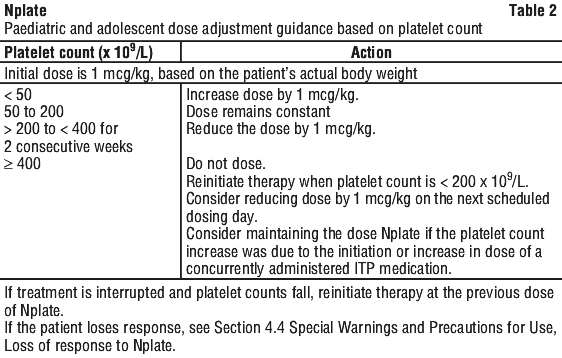
The recommended nplate dose begins at 1g per kilogram of body weight once a week. Your doctor will check your platelet count a week later and may increase the dose in 1g/kg increments, up to a maximum of 10g/kg, until you reach a safe count (generally >50K/L).
How to Reconstitute the Powder
Reconstituting nplate feels a bit like making a fancy coffee you just need a steady hand and a little patience:
- Gather supplies: the lyophilized romiplostim vial, a sterile waterforinjection vial, and an alcohol swab.
- Clean the rubber stoppers with the swab.
- Inject the exact amount of sterile water (usually 1mL) into the powder vial. Dont shake! Gently swirl until the solution looks clear.
- Use a new subcutaneous needle to draw up the reconstituted solution.
- Inject into the abdomen or thigh, rotating sites each week.
Administration Tips
- Pick a spot you can see the belly or outer thigh works best.
- Rotate injection sites to avoid soreness.
- Dispose of needles in a proper sharps container; never reuse.
- Keep the reconstituted solution refrigerated and use within 24hours.
Safety & Side Effects
Common, Milder Reactions
Almost everyone reports at least one of these light side effects, which usually fade after a few doses:
- Headache
- Fatigue
- Insomnia
- Transient platelet spikes (often harmless)
Serious Warnings to Know
While rare, its important to keep an eye out for:
- Bonemarrow fibrosis: a gradual thickening that could impair bloodcell production. Your doctor will monitor via periodic blood tests and, if needed, a marrow biopsy.
- Antibody formation: some patients develop neutralizing antibodies that reduce the drugs effectiveness.
- Thrombosis: overly high platelets can increase clot risk, especially if you have other risk factors.
Monitoring Recommendations
During the first six weeks, expect weekly complete blood counts (CBC). Once your platelet count stabilizes, the interval often stretches to every 24weeks. Discuss any new bruises, headaches, or unusual fatigue with your hematologist right away.
Cost & Practical Tips
Understanding the Price Tag
In the United States, a typical monthly supply of Nplate can range from $3,000 to $5,000. Prices vary based on dosing and insurance coverage. If youre on Medicare, Medicaid, or a private plan, youll likely need prior authorization a paperwork dance your doctors office will handle.
Reading the Package Insert
The nplate package insert is a treasure trove of practical info: storage conditions (refrigerate 3646F), stability after reconstitution (use within 24hours), and disposal instructions. Keep a printed copy nearby; its much easier than scrolling through a PDF during a busy clinic day.
Saving Money with Assistance Programs
Romiplostims manufacturer offers a copay assistance card and patientaid program that can shave 3050% off outofpocket costs. A quick phone call to the support line often unlocks these benefits, so dont skip that step.
Bottom Line Summary
In a nutshell, nplate indications cover chronic ITP patients who havent found relief with steroids, IVIG, or splenectomy. The drugs clever nplate mechanism of action gives your marrow a gentle push to make more platelets, and most people see a rise within weeks. Dosing starts low (1g/kg) and is carefully titrated, with clear instructions for nplate reconstitution that feel doable once youve tried it a couple of times.
The safety picture is generally favorable, but you should stay vigilant for bonemarrow changes, antibodies, or clotting signs. Regular CBC monitoring and open communication with your hematology team are key.
Cost can be a hurdle, yet assistance programs and insurance navigation can make the therapy affordable for many. By weighing the benefits (fewer bleeding episodes, better quality of life) against the risks (side effects, monitoring needs), you and your doctor can decide if Nplate is the right next step.
Weve covered the major points, but every patients journey is unique. Talk to your healthcare provider about your specific platelet numbers, previous treatments, and lifestyle. And remember youre not alone on this path; many people have walked it, found the balance, and reclaimed a steadier, healthier life.
If you have more questions, feel free to reach out to your hematology team or check the official FDA drug database for the latest updates. You deserve clear, compassionate care and a solid understanding of every option on the table.