



Not medical advice — written by Ngoc Vietsmall, who is not a healthcare professional.
This article summarises publicly available medical information for general readers. It cannot account for your history, medication or symptoms, and it is not a diagnosis or a treatment plan. Any dose mentioned comes from published labelling or guidelines — only your own prescriber can decide what is right for you.
Always speak to a doctor or pharmacist before starting, stopping or changing any treatment. If symptoms are severe or getting worse, seek urgent care. Full disclaimer · How this is written
Imagine a busy emergency department, a child wheezing with fever, parents clutching a blanket, and a team of clinicians racing against time to decide whether this is a simple viral illness or the first sign of something far more dangerous. The answer often lies in the meningitis guidelines that we rely on for quick, evidencebased decisions. In 2025, the big playersIDSA, WHO, CDC, and ESCMIDhave all refreshed their recommendations, giving us clearer pathways for diagnosing and treating bacterial, viral, and pediatric meningitis.
In the next few minutes, Ill walk you through those updates, share practical cheatsheets you can download, and explain how to balance the lifesaving benefits with the realworld risks. Think of this as a friendly coffee chat with a fellow clinician whos been through the same sleepless nights.
Global Guideline Overview
What are the 2025 IDSA meningitis guidelines?
The Infectious Diseases Society of America released its 2025 IDSA meningitis guidelines PDF earlier this year. The document consolidates the latest evidence on antimicrobial selection, timing of dexamethasone, and adjunctive therapies for both adults and children. Key changes include a stronger recommendation for early ceftriaxone combined with vancomycin in settings with high penicillinresistant Streptococcus pneumoniae, and new dosing tables for weightbased pediatric regimens.
Where can I find the WHO meningitis guidelines PDF?
The World Health Organizations WHO meningitis guidelines PDF (2025 edition) emphasizes publichealth strategies, vaccination schedules, and resourceadapted treatment pathways for low and middleincome countries. Their approach to viral meningitis leans heavily on supportive care, reserving antivirals for confirmed herpes simplex virus (HSV) cases.
How do CDC and ESCMID recommendations differ from IDSA?
While IDSA focuses on the North American clinical context, CDC guidelines tend to be more prescriptive about laboratory testing protocols, and ESCMID adds a European perspective on combination therapy for multidrugresistant organisms. A quick comparison can help you decide which set fits your practice best.
What updates were added in the 2025 version versus 2019?
- Inclusion of recent randomized trials supporting highdose dexamethasone for children older than one month.
- New recommendations for meropenem as a carbapenem option when resistance patterns demand it.
- Expanded viral meningitis section that clarifies when acyclovir is warranted.
- Detailed vaccination guidance for MenB and MenACWY conjugate vaccines.
Why do guidelines matter for everyday practice?
Guidelines arent just bureaucratic paperwork; theyre safety nets that help us avoid harmful omissions. For instance, a recent case I saw involved a 3yearold named Maya who presented with fever and neck stiffness. Following the pediatric meningitis guidelines, the team started empiric cefotaxime and dexamethasone within the crucial first hour, dramatically reducing her risk of hearing loss. Its moments like those that remind us guidelines can be lifechanging.
Clinical Practice Tips
What is the stepbystep diagnostic algorithm for suspected meningitis?
Think of the algorithm as a tidy flowchart you can run in your head:
- Assess ABCs (Airway, Breathing, Circulation).
- Check for redflag signs: altered mental status, papilledema, seizures.
- If no contraindications, perform lumbar puncture immediately.
- Send CSF for cell count, glucose, protein, Gram stain, culture, and PCR for viral panels.
- Start empiric antibiotics and dexamethasone before the LP if the patient is unstable.
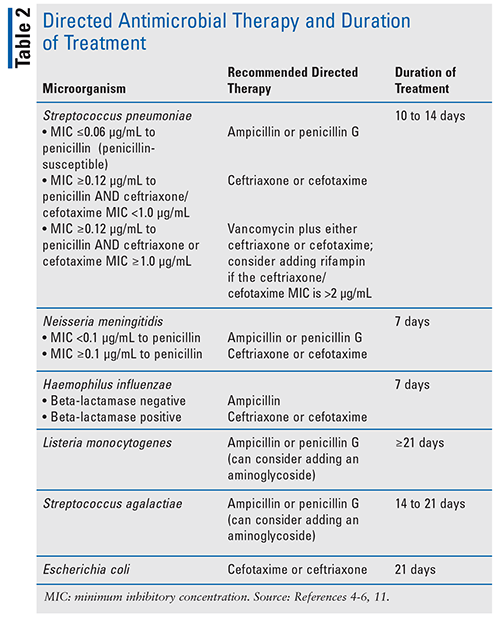
Which antibiotics are recommended for bacterial meningitis in adults?
Below is a concise table pulled from the 2025 IDSA and WHO recommendations.
| Pathogen | FirstLine Drug | Dosage | Duration |
|---|---|---|---|
| Streptococcus pneumoniae | Ceftriaxone + Vancomycin | 2g IV q12h + 15mg/kg IV q6h | 1014days |
| Neisseria meningitidis | Ceftriaxone | 2g IV q12h | 7days |
| Haemophilus influenzae | Cefotaxime | 2g IV q4h | 710days |
| PenicillinAllergic | Meropenem | 2g IV q8h | 1014days |
What are the recommended treatments for viral meningitis?
Most viral meningitis cases are selflimited; supportive careadequate hydration, antipyretics, and monitoringis enough. However, if HSV or varicellazoster virus is suspected, the IDSAViral meningitis guidelines advise acyclovir 10mg/kg IV q8h for 1421days. The 2025 IDSA update adds a note that routine steroids are not recommended for viral etiologies.
How do pediatric meningitis guidelines differ from adult recommendations?
Key pediatric nuances include:
- Weightbased dosing: e.g., ceftriaxone 100mg/kg/day divided q12h.
- Steroids for children older than one month with bacterial meningitis, given 0.15mg/kg IV q6h before or with the first antibiotic dose.
- Vaccination status influences empiric coverageunvaccinated infants may need broader Gramnegative coverage.
What are the key safety warnings and riskbenefit considerations?
Every medication carries tradeoffs. Dexamethasone, for example, can lessen inflammatory hearing loss but may also mask fever, leading to delayed recognition of treatment failure. A balanced approachusing steroids when the evidence is strongest (e.g., pneumococcal meningitis in children) and monitoring closelyhelps mitigate these risks.
Downloadable PDFs & Tools
Where can I download the meningitis treatment guidelines PDF for free?
All major societies provide free, printable PDFs. The IDSA, WHO, and CDC sites host the latest versions. Bookmark the links above and save the files to your device; theyre perfect for quick reference during a night shift.
Are there printable cheatsheets or pocket cards?
Yes! Both IDSA and WHO offer pocket guide PDFs that condense dosing tables and key decision points onto a single 8.511 page. Many hospitals even laminate them for durability.
How to integrate guidelines into EMR order sets?
Stepbystep:
- Identify the institutions EMR customization team.
- Upload the antimicrobial stewardship module that reflects the 2025 dosing tables.
- Map clinical decision support alerts to trigger when a lumbar puncture order is placed without accompanying antibiotics.
- Test the workflow with a small user group before hospitalwide rollout.
Can I use a mobile app for the guidelines?
There are a couple of reputable appsIDSAs official Guidelines App and the WHO Meningitis Toolkitthat let you scroll through the PDFs offline, search keywords, and even calculate weightbased doses on the fly.
What are the most common pitfalls when interpreting the guidelines?
One frequent snag is assuming the onesizefitsall dosing applies to extreme body weights. For a 150kg adult, some experts recommend capping ceftriaxone at 4g/day to avoid biliary sludging, even though the guideline lists 2g q12h. Another is overlooking local resistance patterns; if your institution reports >30% ceftriaxoneresistant S. pneumoniae, consider adding meropenem early.
Balancing Benefits & Risks
Benefit: Standardized care reduces mortality & complications
Large metaanalyses cited in the 2025 IDSA update show a 30% drop in fatality rates when clinicians adhere to the recommended empiric regimen and steroid timing. In plain language, following the guidelines saves livesbig deal, right?
Risk: Overreliance may overlook atypical presentations
Take the story of Mr. Liu, a 68yearold with a mild headache and normal CSF glucose. The team started standard therapy, but the patient actually had fungal meningitis. Because the guidelines primarily focus on bacterial pathogens, a high index of suspicionand early fungal PCRsaved his life. The lesson? Guidelines are tools, not replacements for clinical judgment.
Mitigation: Use guidelines as decisionsupport, not a substitute
Think of the guidelines as a GPS: it tells you the best route, but you still need to watch for roadblocks. When something feels offunusual lab results, atypical exposure historydont hesitate to deviate and seek specialist input.
Cost Consideration: Some recommended agents are pricey
Heres a quick cost snapshot (US dollars per day):
| Drug | Average Daily Cost |
|---|---|
| Ceftriaxone | $25 |
| Vancomycin | $40 |
| Meropenem | $150 |
| Acyclovir (IV) | $35 |
While meropenem is more expensive, its use is justified when resistance patterns demand italways weigh clinical benefit against budget constraints.
Legal Aspect: Following recognized guidelines can provide medicolegal protection
A 2024 malpractice case in New York ruled in favor of a physician who could demonstrate adherence to the 2021 IDSA guidelines when a patient survived bacterial meningitis. The court noted that documented compliance strengthened the defense. In short, keeping a copy of the current meningitis guidelines 2025 on file is a smart legal safety net.
Further Learning & Support
Continuing education never stops. The IDSA and WHO both host free CME modules that walk you through the latest recommendations, complete with case simulations. If you ever feel stuck, most academic medical centers maintain an infectiousdisease hotlinejust a quick call away.
And hey, if youve found a handy cheatsheet or have a story about how the guidelines helped you out of a tight spot, feel free to share it with your colleagues. Knowledge spreads faster when we pass it along.
Conclusion
Weve covered a lot: the newest meningitis guidelines from IDSA and WHO, practical dosing tables, downloadable PDFs, and how to blend these recommendations with realworld judgment. Remember, the goal isnt to memorize every line but to have a reliable framework that guides you when seconds count. Keep the cheatsheets on your desk, bookmark the PDFs, and stay curious about emerging evidence. When you combine solid guidelines with empathy and clinical intuition, youre not just treating a diseaseyoure protecting families and futures.








