Not medical advice — written by Ngoc Vietsmall, who is not a healthcare professional.
This article summarises publicly available medical information for general readers. It cannot account for your history, medication or symptoms, and it is not a diagnosis or a treatment plan. Any dose mentioned comes from published labelling or guidelines — only your own prescriber can decide what is right for you.
Always speak to a doctor or pharmacist before starting, stopping or changing any treatment. If symptoms are severe or getting worse, seek urgent care. Full disclaimer · How this is written
Most people diagnosed with verrucous carcinoma (VC) live well beyond five years the fiveyear overall survival hovers around 80% in largescale studies. Below, Ill break down what drives those numbers, what treatments look like, and how you can talk about them with confidence.
Quick Survival Stats
Getting a snapshot of the numbers helps calm the whatif worries that often swirl around a cancer diagnosis. Here are a few of the most cited surveys, all of which come from reputable oncology journals.
| Study / Source | Population | 5Year Overall Survival | Key Takeaway |
|---|---|---|---|
| National Head & Neck VC Survey (2001) | Oral & laryngeal sites, n1,200 | 77.9% | Surgery+radiation improves outcomes for advanced disease. |
| Radiotherapy in Oral VC (1998) | Oral cavity, n150 | 86% overall, 66% diseasefree | RT alone gives solid survival but higher local recurrence. |
| Surgical Outcomes (2020) | Oral VC, n200 | 89.1% cancerspecific | Surgery remains the goldstandard for local control. |
| Radiotherapy Review (2008) | Mixed headneck sites | 87% (5yr), 64% (10yr) | Longterm drop after 10yr underscores need for followup. |
All of those studies agree on one thing: early detection and appropriate treatment give you the best shot at a long, healthy life.
What Affects Survival
Location Matters
VC can pop up in the oral cavity, the larynx, or even the skin. The site changes how easily a surgeon can remove the tumor and how likely it is to spread to nearby lymph nodes. Oral lesions often have the highest survival because theyre caught early during routine dental exams, while laryngeal cancers sometimes present later.
Staging at Diagnosis
Just like any other cancer, VC follows the TNM staging system. Earlystage tumors (T1T2, N0) routinely show >90% fiveyear survival, whereas advanced cases (T3T4, N+) typically dip into the 7075% range. Staging gives doctors a roadmap for deciding whether surgery alone will do, or if youll need a little help from radiotherapy.
PatientSpecific Factors
Age, overall health, and even gender can tip the scales. For example, some cutaneous VC data suggest women experience slightly better median survival, possibly because they seek care sooner.
Survival by Site and Stage
| Site | Stage | 5Year Overall Survival |
|---|---|---|
| Oral cavity | Early (T1T2, N0) | 90%+ |
| Oral cavity | Advanced (T3T4, N+) | 7075% |
| Larynx | Early | 85% |
| Larynx | Advanced | 65% |
| Skin (cutaneous) | All stages | 8085% |
Treatment Impact
Surgery The Gold Standard
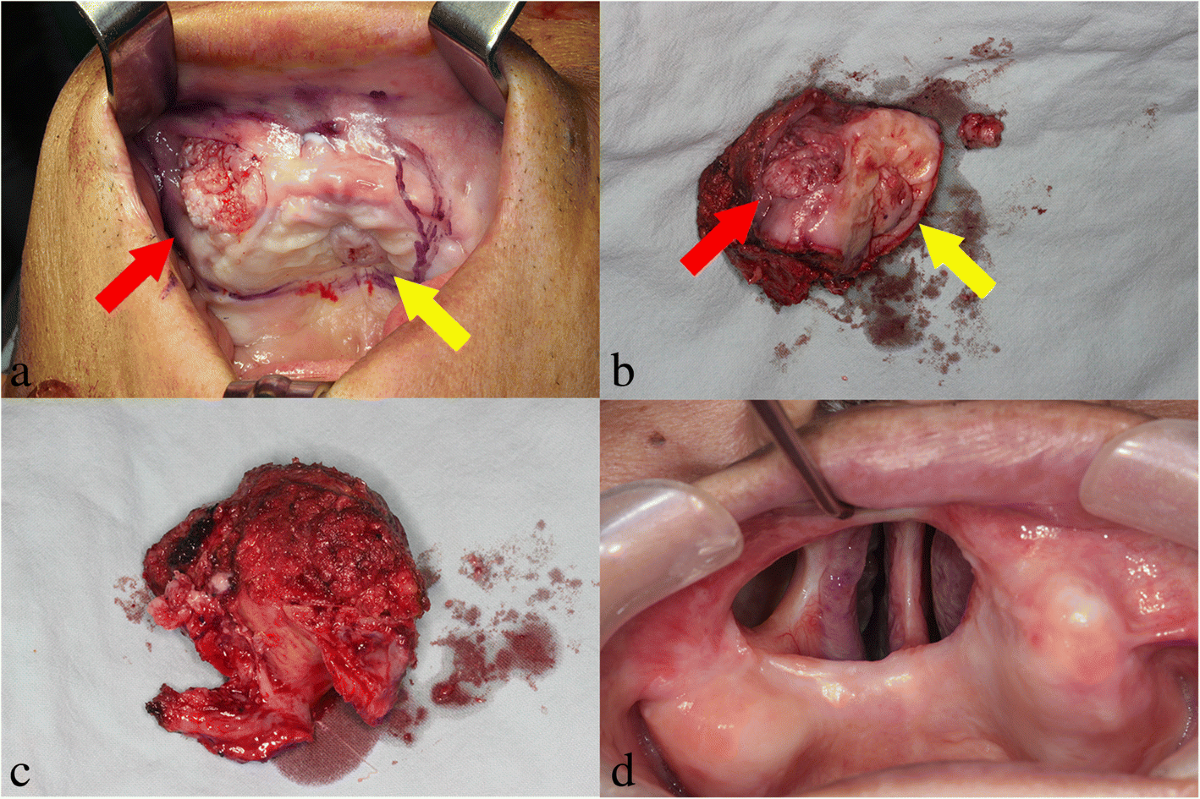
When the tumor can be cut out cleanly, surgery offers the highest chance of cure. A 2020 analysis reported an 89% fiveyear cancerspecific survival for patients who underwent complete resections with clear margins.
Radiotherapy (RT) Benefits & Risks
Radiation can be a lifesaver when surgery isnt an option, but its not without controversy. According to a study in Radiotherapy in the Treatment of Verrucous Carcinoma of the Oral Cavity, RT alone yields an 86% overall fiveyear survival, yet local recurrence rates can climb above 50%.
Some clinicians worry about anaplastic transformation, where a slowgrowing VC suddenly becomes more aggressive after radiation. The risk appears low, but its why many experts favor a combined approach for larger or highrisk tumors.
Combined Modality (Surgery+RT)
For advanced disease, adding adjuvant RT after surgery improves local control and nudges the survival figures upward (about 78% in the national survey). The adjuvant rt in verrucous carcinoma conversation usually centers on margin status if the surgeon cant achieve a clean edge, radiation steps in to mop up residual cells.
Emerging Therapies
Immunotherapy and targeted agents are still in earlyphase trials, but they hint at future options for patients whose tumors resist traditional methods. Keep an eye on NCCNs headandneck guidelines, which get updated annually.
DecisionTree (Text Version)
1 Is the tumor resectable? Yes Surgery Adjuvant RT.
2 Unresectable or patient declines surgery? Consider definitive RT (with close monitoring).
3 Highrisk features present (positive margins, nodal disease)? Add adjuvant RT.
Common Questions
Is verrucous carcinoma dangerous?
It grows slowly and rarely spreads to distant organs, which is great news. However, if left untreated it can become locally invasive, causing pain, speech trouble, or difficulty swallowing. So dangerous really depends on how early you catch it and how you treat it.
What is the average 5year survival rate for oral verrucous carcinoma?
Roughly 8090%, with the higher end reserved for earlystage disease managed surgically. That 90% figure is the kind of number that gives hope, especially when you compare it to many other headandneck cancers.
Does radiotherapy increase the risk of the tumor becoming more aggressive?
Some reports note a slight uptick in local recurrence after RT alone, possibly due to anaplastic changes. Combining radiation with surgery tends to neutralize that risk, which is why many multidisciplinary teams recommend the combo for larger lesions.
How does verrucous carcinoma differ pathologically from conventional squamous cell carcinoma?
Pathology outlines describe VC as a welldifferentiated, pushingborder tumor with minimal cytologic atypia. In plain English, the cells look almost normal, but they march forward in a thick, warty sheet that can erode underlying tissue. This contrasts with the jagged, infiltrative edges seen in typical squamous cell carcinoma.
Real Patient Stories
Case 1 EarlyStage Oral VC Treated with Surgery
John, a 58yearold nonsmoker, discovered a small, painless white patch on his tongue during a routine dental cleaning. Biopsy confirmed VC, staged T1N0. He underwent a conservative excision with clear margins. Seven years later hes still diseasefree and credits his dentist for catching it early.
Case 2 Advanced Laryngeal VC Managed with Surgery+RT
Maria, 67, presented with hoarseness and a bulky lesion on her vocal cords (T3N1). Because the tumor was too large for a simple shave, she had a partial laryngectomy followed by adjuvant RT. Five years after treatment, she enjoys a clear voice and a 78% overall survival a testament to the power of a combined approach.
Lessons Learned
- Early detection (often by a dentist or otolaryngologist) dramatically improves odds.
- Multidisciplinary caresurgeons, radiation oncologists, pathologistscreates the best survival landscape.
- Patient adherence to followup appointments catches recurrences before they become serious.
Balancing Benefits & Risks
| Aspect | Benefit | Potential Risk |
|---|---|---|
| Surgery | High local control; best survival numbers | Possible speech or swallowing changes |
| Radiotherapy | Organ preservation when surgery isnt feasible | Higher local recurrence; rare anaplastic shift |
| Combined Modality | Improved survival for advanced disease | Increased acute toxicity (skin, mucosal irritation) |
| Observation (rare) | Avoids treatment sideeffects | Risk of progression beyond curative window |
The key takeaway? Theres no onesizefitsall answer. Your medical team will weigh the tumors size, location, and your overall health to craft a plan that balances cure potential with quality of life.
Talking to Your Doctor
Feeling a little overwhelmed? Thats totally normal. Heres a quick checklist you can bring to your next appointment:
- Ask for the exact stage (TNM) of your tumor.
- Request a copy of the pathology report look for verrucous carcinoma pathology outlines.
- Inquire about survival statistics specific to your site and stage.
- Discuss the pros and cons of surgery versus radiotherapy, including the possibility of adjuvant rt in verrucous carcinoma.
- Ask whether any clinical trials (e.g., immunotherapy) are available.
Being prepared helps you steer the conversation, and your doctor will appreciate an informed, proactive patient.
Conclusion
Verrucous carcinoma carries a surprisingly optimistic prognosis most patients enjoy a fiveyear survival well above 75% when the disease is caught early and treated appropriately. Still, the exact odds hinge on where the tumor lives, how far it has progressed, and the treatment mix you choose. By understanding the numbers, weighing benefits against risks, and having open, datadriven talks with your care team, you can make decisions that protect both your health and your quality of life. If you want a deeper dive, check out the latest NCCN headandneck guidelines or talk to a specialist you trust. Youre not alone in this journey, and the right information can be a powerful ally.