Not medical advice — written by Ngoc Vietsmall, who is not a healthcare professional.
This article summarises publicly available medical information for general readers. It cannot account for your history, medication or symptoms, and it is not a diagnosis or a treatment plan. Any dose mentioned comes from published labelling or guidelines — only your own prescriber can decide what is right for you.
Always speak to a doctor or pharmacist before starting, stopping or changing any treatment. If symptoms are severe or getting worse, seek urgent care. Full disclaimer · How this is written
If youve just heard stage2 kidney cancer and feel a knot in your stomach, youre not alone. The good news? Most people at this stage are cured with surgery, and the odds are very encouraging. Below youll find a friendly, stepbystep guide that walks you through what the diagnosis really means, the treatments that work best, and how to balance benefits with possible risks.
Grab a cup of tea, settle in, and lets unpack everything you need to knowno jargon, no fluff, just clear, caring answers.
Stage 2 Overview
What defines stage2 kidney cancer?
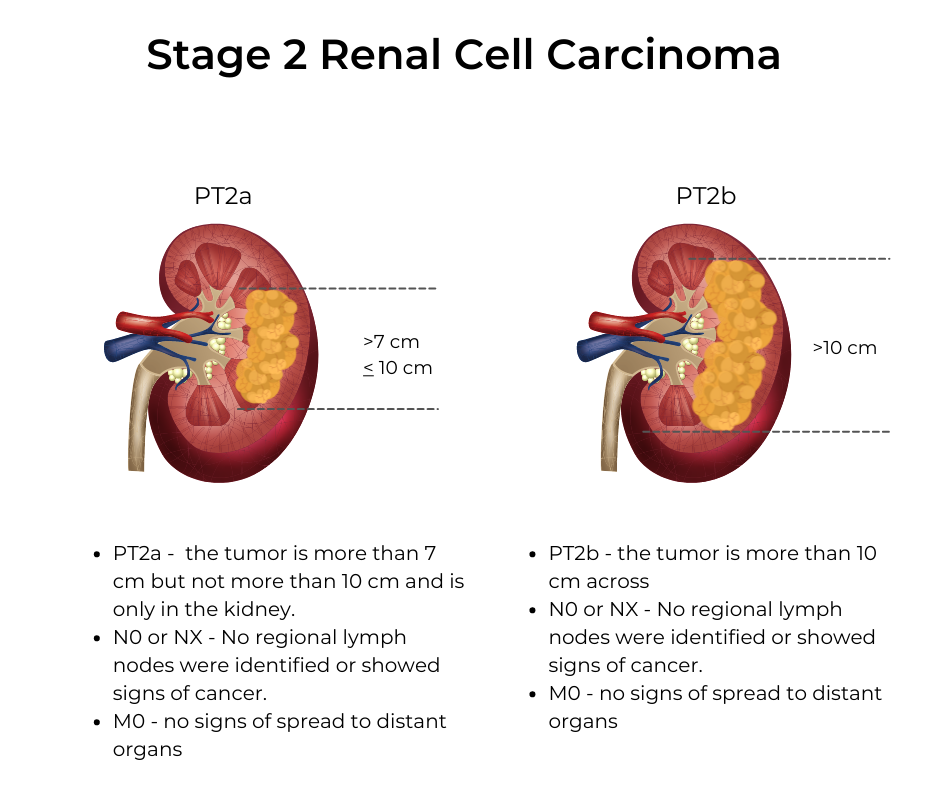
Stage2 renal cell carcinoma means the tumor is larger than 7cm but still confined to the kidney. Theres no spread to nearby lymph nodes or distant organs. This classification comes from the AJCC (American Joint Committee on Cancer) staging system and is the same across major guidelines.
How common is stage2?
Kidney cancer accounts for about 4% of all cancers in the U.S. Roughly 1520% of those diagnoses land in stage2. Most patients are diagnosed between ages5070, often after an incidental finding on an imaging test for another issue.
Survival snapshot
| Stage | 5Year Survival Rate |
|---|---|
| Stage1 | 9095% |
| Stage2 | 8090% |
| Stage3 | 6070% |
| Stage4 | 1020% |
Those numbers come from SEER data compiled by the National Cancer Institute, and they illustrate why early, aggressive treatment can make a huge difference.
Surgical Treatment Options
Partial nephrectomy (nephronsparing surgery)
When the tumor is on the outer part of the kidney and small enough (<7cm), surgeons often go for a partial nephrectomy. The goal? Remove the cancer while keeping as much healthy kidney tissue as possible. Success ratesmeaning no evidence of disease after five yearshover around 9095%.
Why does this matter? Preserving kidney function reduces the longterm risk of chronic kidney disease, especially important if you have high blood pressure or diabetes.
Radical nephrectomy
If the tumor is centrally located or larger, a radical nephrectomyremoving the entire kidney, surrounding fat, and sometimes a portion of the adrenal glandis recommended. Recovery usually involves a hospital stay of 24days, and most people feel back to normal activities within 46weeks.
Partial vs. Radical Comparison
| Aspect | Partial Nephrectomy | Radical Nephrectomy |
|---|---|---|
| Typical Indication | Smaller, peripheral tumors | Large or central tumors |
| Hospital Stay | 12 days | 24 days |
| Complication Rate | 510% | 1015% |
| Longterm Kidney Function | Preserved | Reduced (one kidney) |
| 5Year DiseaseFree Survival | 9095% | 8590% |
Both procedures aim for cure; the choice depends on tumor location, size, and the patients overall health. A urologic oncologist can walk you through imaging to decide which route fits best.
When Surgery Isnt Enough
Adjuvant targeted therapy
Even after a successful surgery, some doctors recommend lowdose targeted drugslike sunitinib or pazopanibto mop up microscopic disease. Recent trials show a modest improvement in diseasefree survival for highrisk stage2 patients.
Immunotherapy
Checkpoint inhibitors (nivolumab, pembrolizumab) are making their way into adjuvant settings. While still considered experimental for stage2, early data from the KEYNOTE564 study suggest they can extend the time before a recurrence appears.
Ablation techniques
If surgery isnt an optionperhaps due to severe heart disease or frailtyminimally invasive ablative treatments like cryotherapy or radiofrequency ablation can destroy the tumor using extreme cold or heat. Theyre less invasive but generally reserved for very small tumors (<4cm).
Choosing a path
Think of it as a map: Surgery is the main road to cure. If the terrain is rough (highrisk pathology), a side roadtargeted therapy or immunotherapymight give you extra safety. And if the main road is blocked, the ablation trail is an alternative.
Managing Risks & SideEffects
Surgical complications
Bleeding, infection, andrarelyloss of the remaining kidney function can happen. Your surgeon will discuss preoperative blood work, imaging, and a clear plan for postop monitoring to keep these risks low.
Systemic therapy toxicities
Targeted drugs can raise blood pressure, cause handfoot skin reactions, or lead to fatigue. Immunotherapy may trigger immunerelated side effects such as colitis or thyroid changes. The key is regular labs and quick communication with your oncology team.
Practical tips to stay on top of health
- Start a lightexercise routine (walking, gentle yoga) a week before surgeryhelps with recovery.
- Focus on a balanced diet rich in fruits, vegetables, and lean protein; stay hydrated.
- Keep a medication diary; note any new symptoms and report them early.
Lifestyle & FollowUp After Treatment
Surveillance schedule
After surgery, most guidelines recommend a CT or MRI every 612months for the first three years, then annually. Blood tests to monitor kidney function and blood pressure are also part of the routine.
Healthy habits that help
Quitting smoking, maintaining a healthy weight, and controlling blood pressure can lower the chance of a new kidney tumor forming. Think of it as giving your remaining kidney a protective shield.
Patient checklist (downloadable PDF)
Weve created a simple checklist you can printcovering medication, followup appointments, lifestyle goals, and emergency contacts. Keeping it on your fridge makes staying on track feel a little less daunting.
RealWorld Experiences
Emilys story partial nephrectomy at 58
Emily discovered her tumor during a routine ultrasound for gallbladder pain. After a brief talk with her surgeon, she chose a partial nephrectomy. The operation lasted three hours, she went home after two nights, and six months later shes back to gardening and hiking. I felt scared at first, she says, but the surgeon explained everything in plain language, and that made all the difference.
Johns journey radical nephrectomy + adjuvant therapy
Johns tumor was 8.5cm and located near the kidneys hilum, so a radical nephrectomy was the safest route. Postop pathology revealed features that placed him in a higherrisk category, and his oncologist recommended six months of sunitinib. John experienced a mild rash and a temporary rise in blood pressure, but regular monitoring kept everything under control. One year later, his scans are clean, and hes an advocate for early screening.
Putting It All Together
Understanding the treatment landscape for stage2 kidney cancer is empowering. Surgerywhether partial or radicalis the cornerstone, offering cure rates that hover around 90%. When pathology suggests higher risk, adjuvant targeted therapy or emerging immunotherapy can add a safety net. Managing sideeffects hinges on clear communication with your care team and a proactive approach to wellness.
Remember, you dont have to walk this path alone. Talk openly with your urologist, ask for a second opinion if you need, and lean on support groups. The blend of medical expertise and personal resilience often makes the biggest difference.
If youre ready to take the next step, schedule a detailed discussion with your oncology team, download the survivorship checklist, and consider reaching out to a kidney cancer support community. You deserve informed, compassionate careand were cheering you on every step of the way.