Not medical advice — written by Ngoc Vietsmall, who is not a healthcare professional.
This article summarises publicly available medical information for general readers. It cannot account for your history, medication or symptoms, and it is not a diagnosis or a treatment plan. Any dose mentioned comes from published labelling or guidelines — only your own prescriber can decide what is right for you.
Always speak to a doctor or pharmacist before starting, stopping or changing any treatment. If symptoms are severe or getting worse, seek urgent care. Full disclaimer · How this is written
Most people don’t realize that a tight, squeezing feeling in the middle of the chest can sometimes be tamed with tools you already have at home. You don’t have to sit in the dark, wondering if it’s something serious, before you get a clear plan of action.
In the next few minutes I’ll walk you through how to relieve chest pain safely, spot the red‑flag symptoms that demand emergency care, and share easy‑to‑try home remedies that actually work. Think of this as a friendly chat over coffee—no medical jargon, just honest, helpful advice.
Identify the Cause
What are the most common causes of chest pain?
Chest pain isn’t a one‑size‑fits‑all problem. The most frequent culprits fall into two buckets: cardiac and non‑cardiac.
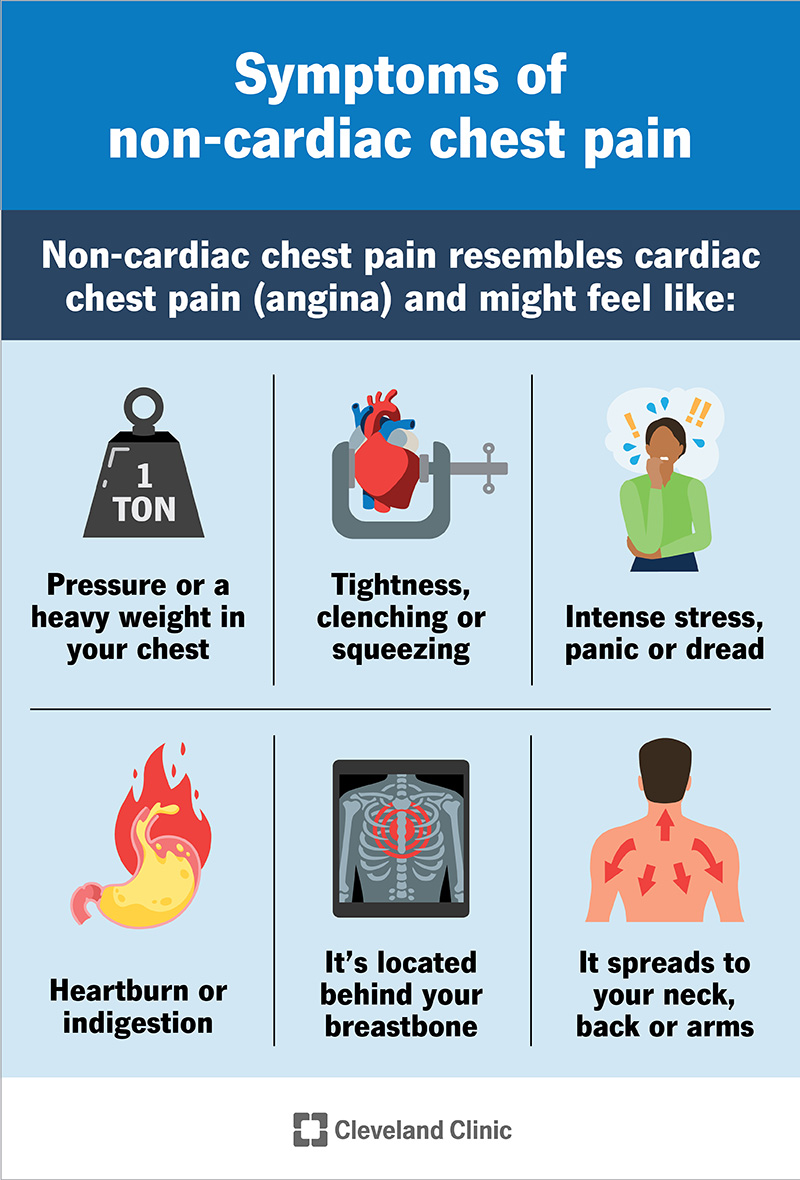
Cardiac causes include heart attack, angina, and pericarditis. The pain is usually described as pressure, heaviness, or a crushing sensation that may radiate to the left arm, jaw, or back.
Non‑cardiac causes are far more common than many think. They range from acid reflux and muscle strain to gas buildup and anxiety. A quick “red‑flag checklist” can help you decide whether you’re dealing with a heart‑related event or something you can manage at home:
- Sudden, intense pressure or tightness?
- Pain lasting longer than 15 minutes without improvement?
- Associated shortness of breath, sweating, nausea, or dizziness?
- History of heart disease or risk factors (smoking, high blood pressure, diabetes)?
If you tick more than one of these boxes, call 911 immediately. Otherwise, keep reading—you’re probably in the safer zone.
What causes chest pain in women specifically?
Women often experience chest pain differently than men, and that can lead to missed diagnoses.
Hormonal fluctuations, especially around menopause, can trigger coronary microvascular disease—a condition where tiny blood vessels spasm without the classic “blocked artery” picture. According to the Mayo Clinic, women are also more likely to feel pain in the back, neck, or jaw rather than the classic left‑arm ache.
Because the symptoms can be vague, it’s crucial for women to advocate for thorough testing if they experience persistent “female pain in middle of chest” that doesn’t fit the typical pattern of a heart attack.
How does stress trigger chest pain?
Stress‑induced chest pain feels eerily similar to heartache, but the root cause is usually muscle tension and hyperventilation.
When you’re stressed, your body releases adrenaline, which makes the heart beat faster and the muscles in your chest wall tighten. This can create a “tight pain in middle of chest” that mimics angina. The CDC notes that chronic stress can also raise blood pressure, further increasing the risk of genuine cardiac events.
When is chest pain an emergency?
Knowing the warning signs can be lifesaving. Here’s a quick reference table to keep on your fridge.
| Red‑Flag Symptom | Why It Matters |
|---|---|
| Sudden, crushing pressure | May indicate heart attack |
| Radiating pain to arm/jaw/back | Typical cardiac referral pattern |
| Profuse sweating, nausea, dizziness | Signs of cardiac distress |
| Shortness of breath at rest | Potential heart or lung emergency |
| Chest pain lasting >15 minutes | Unresolved pain often needs medical evaluation |
If any of these pop up, dial 911 without hesitation. It’s better to be safe than sorry.
Home Relief Strategies
Which over‑the‑counter meds are safe for most people?
OTC options can help calm mild discomfort, but they’re not a free‑pass for every situation.
Aspirin (81 mg chewable) is often recommended for suspected heart‑related pain because it thins the blood. However, if you’re allergic, have a bleeding disorder, or are already on a blood‑thinner, skip it.
Ibuprofen or naproxen can ease muscle‑related aches, but they may irritate the stomach and increase blood pressure, so take them with food and avoid them if you have kidney issues.
Antacids such as ranitidine or famotidine work well for reflux‑related pain—just follow the label dosage.
What are the top home remedies that actually work?
Below are five evidence‑backed tricks that can calm “how to relieve chest pain at home.”
- Warm compress – Place a heating pad on the chest for 15‑20 minutes. Heat relaxes spastic muscles and improves blood flow. Michigan Medicine cites this as a first‑line approach for musculoskeletal chest pain.
- Turmeric milk – The anti‑inflammatory curcumin in turmeric can soothe irritated tissues. Mix a teaspoon of turmeric in warm milk, add honey, and sip slowly.
- Ginger tea – Ginger’s carminative properties help release trapped gas, which often mimics heart pain. Steep fresh ginger slices in hot water for 10 minutes.
- Deep‑breathing exercises – The 4‑7‑8 technique (inhale 4 sec, hold 7 sec, exhale 8 sec) lowers adrenaline and eases tension.
- Gentle chest stretch – Raise your arms overhead, clasp hands, and gently arch backward for 20 seconds. This opens the rib cage and eases tightness.
How to relieve chest pain caused by gas?
Gas can swell the stomach and press against the diaphragm, creating a burning sensation in the chest.
Try these simple tricks:
- **Knees‑to‑chest**: Lie on your back, pull both knees to your chest, and hold for 30 seconds. This helps release trapped air.
- **Peppermint tea** – Peppermint relaxes the intestinal smooth muscle, allowing gas to pass.
- **Simethicone tablets** – An OTC anti‑gas agent that coalesces bubbles, making them easier to expel.
- **Avoid carbonated drinks** – Fizzy beverages are a common culprit for “home remedies for chest pain due to gas.”
Can lifestyle tweaks prevent future episodes?
Small, sustainable changes can make a big difference.
- Stay hydrated – water helps digestion and reduces gas buildup.
- Eat smaller, more frequent meals – prevents acid reflux.
- Incorporate low‑impact cardio (walking, swimming) – improves heart health and reduces stress.
- Practice mindfulness or yoga 2‑3 times a week – lowers cortisol, the stress hormone.
- Limit caffeine and alcohol – both can irritate the esophagus and increase heart rate.
Stress‑Related Pain
Why does anxiety feel like heartache?
The body’s “fight‑or‑flight” response can masquerade as a cardiac event.
During a panic attack, your chest muscles tighten, and you may hyperventilate, causing a sharp, “heartache pain in chest.” The sensation is real, even though the heart itself isn’t under attack. Recognizing this link can prevent unnecessary ER trips.
What quick techniques work right now?
These bite‑size practices can calm both mind and chest in under a minute.
- Box breathing – Inhale 4 sec, hold 4 sec, exhale 4 sec, hold 4 sec. Repeat 5 times.
- Grounding 5‑4‑3‑2‑1 – Name 5 things you see, 4 you feel, 3 you hear, 2 you smell, 1 you taste.
- Progressive muscle relaxation – Tense each muscle group for 5 seconds, then release, moving from feet to head.
When should therapy or medication be considered?
If stress‑related chest pain persists more than two weeks or interferes with daily life, it’s time to seek professional help.
A licensed therapist can teach cognitive‑behavioral strategies that rewire the anxiety‑pain cycle. In some cases, a physician may prescribe low‑dose anxiolytics, but this should always be a joint decision with your healthcare provider.
Which apps help reduce stress daily?
Here are three free tools that blend science and convenience.
- Insight Timer – Offers guided meditations ranging from 3 to 30 minutes.
- Calm – Features breathing exercises and sleep stories to lower nighttime cortisol.
- Breathwrk – Provides visual breathing patterns that sync with your phone’s vibrate function.
Medication & Professional Care
What is the “best medicine for chest pain”?
There isn’t a universal “best” pill; the right medication depends on the underlying cause.
If the pain is cardiac, physicians may prescribe nitroglycerin, beta‑blockers, or calcium‑channel blockers. For reflux‑related pain, proton‑pump inhibitors (PPIs) such as omeprazole are the go‑to. Muscular pain often responds to NSAIDs, while gas‑related discomfort benefits from simethicone.
How to use aspirin safely at home?
Follow these steps to avoid the pitfalls.
- Check you’re not allergic and aren’t on another blood‑thinner.
- Chew a low‑dose (81 mg) tablet thoroughly—this speeds absorption.
- Take it with a full glass of water and a snack to protect the stomach lining.
- If you notice any bruising, digestive bleeding, or severe stomach pain, stop and call your doctor.
When is a prescription needed?
Prescription medication becomes necessary when:
- OTC drugs fail to control symptoms after 48‑72 hours.
- Chest pain is linked to diagnosed conditions (e.g., angina, GERD, chronic bronchitis).
- You have risk factors that require stronger, monitored therapy (e.g., high blood pressure, diabetes).
Comparative table: OTC vs. prescription vs. emergency
| Category | Typical Use | Onset of Relief | When to See a Doctor |
|---|---|---|---|
| OTC (e.g., ibuprofen, antacids) | Mild muscle or acid‑reflux pain | 15‑30 minutes | Pain persists >2 days or worsens |
| Prescription (e.g., nitroglycerin, PPIs) | Confirmed cardiac or chronic GERD | 5‑15 minutes (nitroglycerin) or 1‑2 hours (PPIs) | Any new chest pain despite meds |
| Emergency (911) | Suspected heart attack, severe shortness of breath | Immediate (EMS response) | Any red‑flag symptom present |
Conclusion
Understanding how to relieve chest pain starts with pinpointing the cause, acting quickly with safe home strategies, and knowing exactly when professional help is non‑negotiable. By mixing practical remedies—like a warm compress or a calming breath— with sensible lifestyle tweaks, you can often tame that unsettling tightness without panic. If you’ve found this guide helpful, why not share it with a friend who’s ever felt that uncomfortable “tight pain in middle of chest”? And for those who want a quick‑reference cheat sheet, grab our printable “Chest‑Pain First‑Aid Sheet” below. Stay safe, stay informed, and remember: you’ve got the tools to look after your heart and your peace of mind.