Not medical advice — written by Ngoc Vietsmall, who is not a healthcare professional.
This article summarises publicly available medical information for general readers. It cannot account for your history, medication or symptoms, and it is not a diagnosis or a treatment plan. Any dose mentioned comes from published labelling or guidelines — only your own prescriber can decide what is right for you.
Always speak to a doctor or pharmacist before starting, stopping or changing any treatment. If symptoms are severe or getting worse, seek urgent care. Full disclaimer · How this is written
Short answer: yes, spotting a few jellylike clots now and then is usually nothing to worry about, especially on the heavier days of your flow. Longer answer: they become a concern only when they grow unusually large, show up every cycle, or bring along other warning signs like intense pain or fatigue. Lets dive in, break down the science, and give you practical tips so you can feel confident about whats happening inside your body.
What Are Clots?
Definition and anatomy
During a period, your uterus sheds the thickened lining that built up to support a possible pregnancy. Blood, tissue, and a protein called fibrin mix together, and the fibrin can clump into what looks like a little jellylike lump. Think of it as the natural glue that helps stop bleeding in small vesselsexactly the same process that forms a clot when you get a cut.
Typical appearance and size
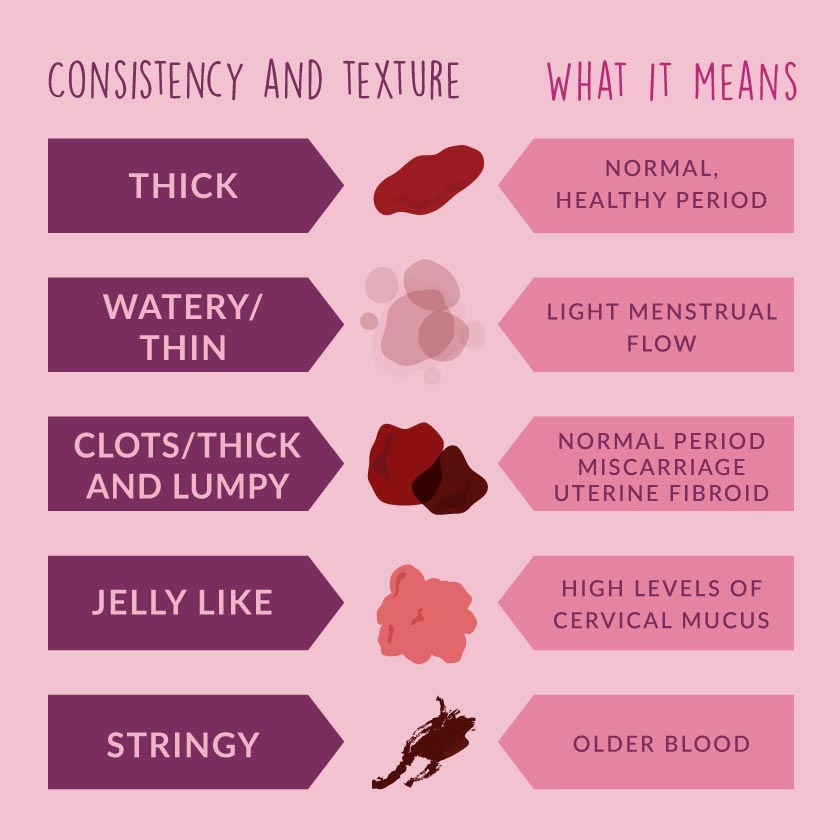
Most clots are about the size of a pea or a grape. They can be dark red, brown, or a translucent pink, and they often feel slick, a bit like gelatin. If youve ever seen a picture of period blood clots pictures online, youll recognize the familiar jellylike look.
Why jellylike?
The gelatinous texture comes from the waterrich environment inside the uterus combined with fibrins tendency to form a soft, semisolid mass. Its completely normal for the clot to wobble a little when you hold it between your fingersjust like a tiny piece of jelly.
How Common Are They?
Statistics and normal frequency
Studies using menstrual tracking apps show that roughly 7080% of women report seeing at least one clot during a heavy flow month. The majority describe them as small or medium nothing larger than a walnut. If youve ever wondered whether youre an outlier, the data says youre likely right in the middle of the crowd.
Typical timing within the cycle
Clots tend to appear during the first three days of bleeding, when flow is at its peak. As the flow tapers off, the amount of fibrin in the shed tissue drops, and clots become less common. If you notice large clots later in the cycle, that could be a sign that something else is going on.
When Are They Normal?
Lighttomoderate clots
Clots that are about 1cm in diameter and appear once or twice per month are generally harmless. They often dissolve quickly in the toilet water, leaving a faint pink residuenothing to panic about.
Heavyflow scenarios (menorrhagia)
When a period is particularly heavy, the uterus works harder to expel the lining. Bigger clotsup to 23cmcan form, and thats still within the range of normal, especially if youre not experiencing dizziness, fatigue, or irondeficiency symptoms. According to the NHS, heavy bleeding is defined as losing more than 80mL of blood each cycle, and clots can be part of that picture.
Pregnancyrelated changes
Early pregnancy sometimes brings spotting mixed with tiny jellylike clots. If you suspect you could be pregnant, a home test can help you differentiate between a normal period clot and a pregnancyrelated one. The phrase jellylike blood clots during period is it normal pregnancy often appears in search queries for this reason.
Red Flags To Watch
Size & frequency that warrant evaluation
If you see clots larger than a grapeor worse, palmsized clotson a regular basis, its time to talk to a healthcare professional. A palmsized clot is not just a big clot; it can indicate a significant underlying issue.
Accompanying symptoms
- Severe cramping that doesnt ease with overthecounter pain relievers.
- Dizziness, faintness, or shortness of breath during or after your period.
- Noticeable fatigue, pale skin, or rapid nailbrittle growthsigns of possible anemia.
Underlying conditions to rule out
Conditions such as fibroids, polyps, endometriosis, or clotting disorders can produce unusually large or frequent clots. A quick ultrasound and blood work can usually pinpoint the cause.
Why Do They Form?
Hormonal fluctuations
Estrogen and progesterone orchestrate the buildup and breakdown of the uterine lining. When these hormones are out of syncsay, after a stressful month or a sudden weight changethe lining may become thicker, and the body sheds more tissue, leading to bigger clots.
Uterine abnormalities
Fibroids (benign muscle tumors) and polyps (small tissue growths) can disrupt the smooth shedding of the lining, causing blood to pool and clot in larger pieces. If youve heard what do large blood clots during period mean, the answer often points back to these structural factors.
Lifestyle factors
High stress, excessive caffeine, and intense exercise can all increase menstrual flow for some women. Even dehydration can make blood thicker, encouraging clot formation.
Medications & supplements
Blood thinners, certain birthcontrol pills, and NSAIDs (like ibuprofen) can affect clotting. While they might reduce pain, they sometimes make clots appear more gelatinous.
Natural Ways To Ease
Nutrition & hydration
Keeping your iron stores topped up is key, especially if you lose a lot of blood. Incorporate leafy greens, lentils, and lean red meat. Omega3 fatty acidsfound in salmon, chia seeds, and walnutscan help regulate inflammation and may reduce heavy clotting.
Herbal & lifestyle remedies
Ginger tea before bedtime can calm uterine muscles, while turmeric (in golden milk or as a supplement) offers mild antiinflammatory benefits. Gentle yoga poses like Childs Pose or Supine Twist improve pelvic circulation, and a warm heating pad on the lower abdomen can ease cramps that sometimes accompany large clots.
Tracking & selfmonitoring tools
Periodtracking apps (such as Clue or Flo) let you log clot size, color, and related symptoms. Over a few months youll see patternsmaybe clots are larger during stressfilled weeks or after a change in birthcontrol. This data is gold when you discuss concerns with a clinician.
How to stop blood clots during period naturally
While you cant completely prevent your body from forming clots (theyre a natural defense), you can make them smaller:
- Stay wellhydratedaim for at least eight glasses of water a day.
- Limit salty foods that can cause fluid retention.
- Practice stressrelief techniques: deep breathing, short walks, or meditation.
Real Stories & Cases
Personal anecdote
When I was 26, I woke up one morning to find a jellylike clot the size of a small grape sitting on the bathroom floor. My first thought was Is this normal? I Googled jellylike period blood and read a lot of forums. After a few weeks of tracking, I realized the clots always appeared when I had a particularly stressful work week. Adding a daily 10minute mindfulness practice and drinking more water made the clots shrink dramatically.
Minicase study 1
Age: 28years
Symptoms: Occasional 2cm jellylike clots, mild cramping.
Outcome: After a routine pelvic exam, the doctor confirmed a healthy uterus with no fibroids. The recommendation was to maintain ironrich foods and keep a symptom diary. Six months later, the clots reduced to peasize and appeared only once per cycle.
Minicase study 2
Age: 35years
Symptoms: Weekly palmsized clots, heavy bleeding, fatigue.
Outcome: Ultrasound revealed two small fibroids. The gynecologist suggested a minimally invasive hysteroscopic removal. Postprocedure, bleeding normalized, and clots returned to a typical size.
Helpful Resources
Trusted medical sites
For deeper dives, reputable sources like the CDCs reproductive health page and the NHS provide evidencebased guidance on menstrual health.
When to seek professional help
If you notice any of the redflag signs listed aboveespecially palmsized clots, severe pain, or signs of anemiaschedule an appointment with a gynecologist. Early detection of conditions like fibroids or endometriosis can make treatment much simpler.
Conclusion
Jellylike blood clots during a period are usually a natural part of the menstrual process, especially on the heavier days of your flow. They become concerning when theyre unusually large, appear every cycle, or accompany other symptoms like intense pain or fatigue. By tracking your cycles, staying hydrated, and listening to your body, you can differentiate between normal and needs attention. If any redflag signs arise, dont hesitate to reach out to a healthcare professionalyou deserve peace of mind and a healthy, comfortable period.