Not medical advice — written by Ngoc Vietsmall, who is not a healthcare professional.
This article summarises publicly available medical information for general readers. It cannot account for your history, medication or symptoms, and it is not a diagnosis or a treatment plan. Any dose mentioned comes from published labelling or guidelines — only your own prescriber can decide what is right for you.
Always speak to a doctor or pharmacist before starting, stopping or changing any treatment. If symptoms are severe or getting worse, seek urgent care. Full disclaimer · How this is written
First things first youre not alone if your citalopram feels like its losing its punch. It happens to more people than you might think, and there are clear steps you can take right now to get back on track. Below well walk through why it can stop working, what the warning signs look like, and practical next moves you can discuss with your doctor.
Why It Stops
Whats actually happening in the brain?
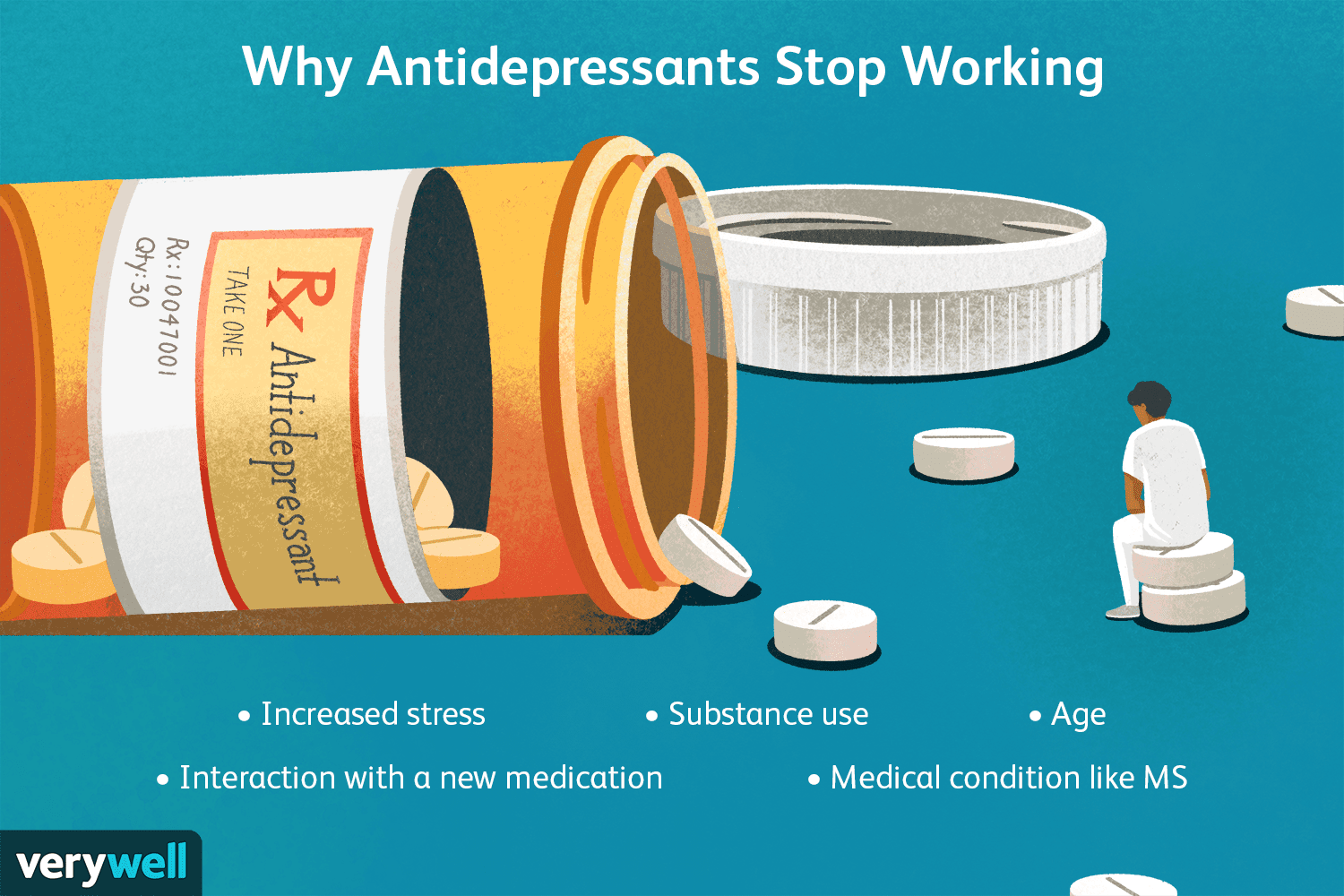
Citalopram, like other SSRIs, boosts serotonin levels to ease mood swings. Over time, though, your brain can adapt receptors may become less responsive, metabolism of the drug can speed up, or other neurotransmitter systems step in. This isnt a failure of the medication; its a natural biological shift.
Common biological reasons
Here are the usual suspects:
- Developing tolerance after several months
- Changes in liver enzymes that speed up drug clearance
- Interaction with another medication or supplement
External factors
Stress, poor sleep, or increased alcohol use can blunt the effect of any antidepressant, citalopram included. Even a change in dietespecially adding a lot of caffeine or grapefruitmight mess with how the drug is absorbed.
Biological vs. Lifestyle Triggers
| Trigger Type | Examples | Quick Check |
|---|---|---|
| Biological | Enzyme induction, receptor downregulation | Has your dose been stable for >6weeks? |
| Lifestyle | Shift work, new supplement, increased alcohol | Any recent habit changes? |
Spot Warning Signs
Signs your antidepressant dose is too low
If youre still feeling flat, have lingering anxiety, or notice mood dips that bounce back quickly, the dose might not be high enough. A simple selfcheck: after 68weeks at a steady dose, you should notice at least a modest lift in mood. If not, its a red flag.
Citalopram not working for anxiety
Some folks find citalopram eases depressive lows but leaves anxiety humming in the background. Thats fairly commonSSRIs sometimes need a boost from therapy or an additional medication to fully calm the nervous system.
When anxiety persists despite citalopram
Ask yourself:
- Do panic attacks still surface a few times a week?
- Is constant worry still a daily companion?
- Has your heart rate stayed elevated even when youre relaxed?
If the answer is yes, its time to explore alternatives.
7Quick SelfAssessment Questions
Take a moment to answer these honestly (you can jot them down):
- How many weeks have you been on your current dose?
- Do you feel any improvement compared to before you started?
- Are side effects tolerable or getting worse?
- Has your sleep pattern changed?
- Do you notice moreor feweranxious thoughts?
- Any new meds, vitamins, or supplements?
- Has your stress level risen recently?
Talk to Doctor
When to call the doctor
If youve ticked any of the warning signs above, schedule a checkin. According to Mayo Clinic, you should reach out once youve given the medication at least six weeks at a stable dose without noticeable benefit.
What info to bring
Be ready with:
- Start date and current dosage
- A list of side effects (even the ones that seem minor)
- All other meds and supplements youre taking
- Notes from your selfassessment
Possible dosage adjustments
Doctors often start by increasing the dose gradually. For citalopram, the typical max is 40mg per day, but some people do well at 20mg. Your clinician will weigh benefits against potential side effects like nausea or insomnia.
Dosage Increase vs. Switch vs. Augmentation Flowchart
Picture a simple decision tree: increase dose if no change after 2weeks, consider switching if still stuck, think augmentation (adding another med or therapy).
Switch or Add
If one SSRI doesnt work, will another?
Great news: many patients who dont respond to citalopram find relief with a different SSRI such as sertraline or escitalopram. The mechanisms are similar, but each drugs chemical fingerprint interacts slightly differently with your brains receptors.
Typical nextstep meds
Heres a quick rundown of common alternatives:
- Sertraline (Zoloft) often better for anxiety
- Escitalopram (Lexapro) similar to citalopram but may feel smoother for some
- Bupropion (Wellbutrin) a nonSSRI option that can boost energy
- Venlafaxine (Effexor) a SNRI that covers both depression and anxiety
How crosstapering works safely
When switching, doctors usually crosstaper gradually lowering citalopram while introducing the new drug. This minimizes withdrawal symptoms and keeps serotonin levels stable.
Medication Comparison Table
| Medication | Typical Dose | Strengths | Potential Drawbacks |
|---|---|---|---|
| Citalopram | 2040mg | Welltolerated, good for mildmoderate depression | May lose effect over time |
| Sertraline | 50200mg | Strong anxiolytic properties | Possible GI upset |
| Escitalopram | 1020mg | Clean sideeffect profile for many | Similar tolerance issues |
| Bupropion | 150300mg | Boosts energy, fewer sexual side effects | Can raise blood pressure |
Augment & Lifestyle
Adding psychotherapy
Medication can lift the fog, but therapy clears the path. Cognitivebehavioral therapy (CBT) and acceptancecommitment therapy (ACT) are especially effective when combined with an SSRI. Think of therapy as the map that guides the medications vehicle.
Common augmentation agents
When a single pill isnt enough, doctors may add:
- Lithium (lowdose) proven to boost antidepressant response
- Thyroid hormone (T3) helps some people wake up their brain chemistry
- Atypical antipsychotics (e.g., quetiapine) used at low doses for mood stabilization
Lifestyle tweaks that boost response
Simple changes can act like a secret sauce:
- Regular aerobic exercise 30minutes, three times a week, improves serotonin
- Sleep hygiene aim for 79hours, keep a consistent bedtime
- Balanced diet omega3 fatty acids, folate, and Bvitamins support brain health
- Mindfulness or meditation reduces stress hormones that counteract medication
5Step Plan to Combine Meds + Therapy
- Confirm medication dose is therapeutic
- Schedule a weekly therapy slot (even 30minutes)
- Add a lowimpact exercise routine
- Track sleep and mood in a simple journal
- Reevaluate with your doctor after 46weeks
Myths & FAQs
Can antidepressants stop working after years?
Yes. Its called pharmacodynamic tolerance. After longterm use, your brain may downregulate receptors, reducing the drugs impact. Switching or augmenting becomes a reasonable next step.
Why does citalopram work for depression but not anxiety?
Depression and anxiety, while overlapping, involve slightly different neural pathways. Citaloprams serotonin boost often eases low mood, but anxiety can also involve norepinephrine and dopamine. Adding a medication that targets those pathways (like an SNRI) or a therapy focused on anxiety can fill the gap.
Sertraline not working anymore is it the same issue?
Exactly. The pattern of initial benefit fading is common across SSRIs. If sertraline loses its edge, the same strategiesdose review, switch, or augmentationapply.
Lexapro not working what next parallels & differences
Lexapro (escitalopram) is chemically close to citalopram. If it stalls, the next steps mirror those for citalopram: discuss dose tweaks, consider another class of antidepressant, or explore augmentation. The key is not to give up after the first setback.
RealWorld Stories
Emilys 8week journey
Emily started on citalopram at 20mg for her postpartum depression. By week six, the heavy cloud lingered. She logged mood scores, noticed persistent anxiety, and booked a doctors appointment. The clinician increased her dose to 30mg, added weekly CBT, and after two more weeks, Emily felt a noticeable lift. When anxiety still nudged her, they switched to bupropion, which gave her the extra energy she needed. Her story, echoed across Reddit forums, illustrates how a combination of dose adjustment, therapy, and a thoughtful switch can turn a deadend into progress.
Clinicians STAR*Dtype algorithm
In the landmark STAR*D study, about a third of patients who didnt respond to an initial SSRI achieved remission after a switch or augmentation. The algorithmstart with an SSRI, assess after 68weeks, then either increase, switch, or augmentremains a gold standard for clinicians today.
Quote Box
I thought Id never feel normal again, but my doctor listened, adjusted my dose, and added therapy. It changed everything. Anonymous patient
Takeaway Checklist
| Action | When to Do It |
|---|---|
| Keep taking citalopram at least 6weeks | Immediately |
| Track mood & sideeffects daily | First 2weeks |
| Schedule a review with your prescriber | If no improvement after 68weeks |
| Discuss dosage increase or medication switch | During review |
| Explore therapy or augmentation options | If meds alone arent enough |
| Use the When to Call Your Doctor list | Any worsening symptoms |
Trusted Resources
For deeper dives, consider these reputable sources (always talk to a health professional before acting on any information):
Conclusion
Finding out that citalopram isnt delivering the relief you hoped for can feel like hitting a wall, but its far from the end of the road. By spotting early warning signs, having an open conversation with your doctor, and exploring dose tweaks, medication switches, or augmentation strategies, you give yourself a solid chance at feeling better again. Remember, many people walk this path and emerge on the other side with a plan that truly works for them. If youve tried any of these steps, or if youre just starting to wonder what comes next, reach out to a trusted clinicianyou deserve a treatment plan that lifts you up.