Not medical advice — written by Ngoc Vietsmall, who is not a healthcare professional.
This article summarises publicly available medical information for general readers. It cannot account for your history, medication or symptoms, and it is not a diagnosis or a treatment plan. Any dose mentioned comes from published labelling or guidelines — only your own prescriber can decide what is right for you.
Always speak to a doctor or pharmacist before starting, stopping or changing any treatment. If symptoms are severe or getting worse, seek urgent care. Full disclaimer · How this is written
Hey there! If youve ever stared at an ultrasound report and wondered whether a tiny lump on your thyroid is something to worry about, youre in the right place. In the next few minutes well walk through the thyroid nodule size chart, break down what the numbers really mean, and give you practical tools to feel confident about the next step. No jargon, just a friendly chat and the info you actually need.
How the Chart Works
What the chart measures
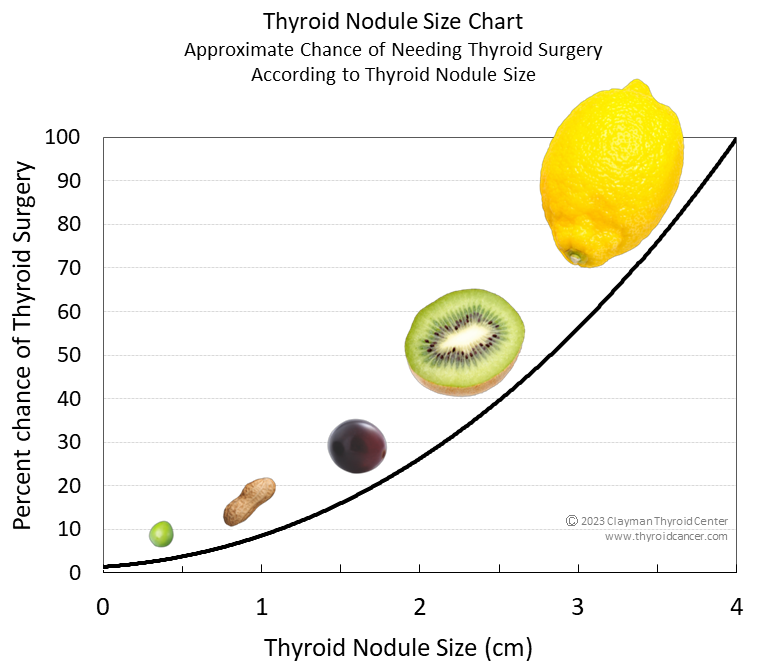
The thyroid nodule size chart is basically a ruler for doctors. It records the largest diameter of a nodule in millimetres (mm) or centimetres (cm) think of it as measuring a grain of rice versus a grape. That single measurement helps clinicians decide whether to keep an eye on the nodule, do a fineneedle aspiration (FNA), or talk surgery.
Why size matters for surgery risk
Studies consistently show that the bigger the nodule, the higher the chance a doctor will recommend a biopsy or even surgery. For instance, a nodule under 5mm is often considered lowrisk, while anything above 25mm (2.5cm) typically triggers a conversation about removal.
Guidelines that rely on size
Two major bodies drive the rules:
- American Thyroid Association guidelines they set the 1cm threshold for routine FNA in many cases.
- ACR TIRADS this system grades nodules from 1 to 5 and uses size bands (0.5cm, 1cm, 1.5cm, 2.5cm) to guide management.
ATA risk stratification
- 0.5cm: usually just watch.
- 0.51cm: consider FNA if suspicious features are present.
- >1cm: FNA often recommended, especially for highrisk patterns.
ACRTIRADS size bands
Heres a quick snapshot:
| Risk Level | Size Threshold (mm) |
|---|---|
| TR1 (benign) | Any size, no FNA needed |
| TR3 (moderate) | 15mm for FNA |
| TR5 (high) | 10mm for FNA |
Size Ranges Meaning
Is a 7mm thyroid nodule large?
In most contexts a 7mm nodule is still small. However, if the ultrasound shows irregular margins, microcalcifications, or increased blood flow, doctors might still schedule a followup in six months. So size isnt the whole story, but it does give a baseline.
Can a 5mm thyroid nodule be cancer?
Yes, it can, though the odds are lowunder 1% according to large registry data. The key is the nodules appearance. Suspicious ultrasound features can tip the scales, prompting an early FNA even for a 5mm lesion.
Is a 2.5cm thyroid nodule large?
Absolutely. A nodule measuring 2.5cm (or 25mm) crosses the critical line where many clinicians start discussing surgery, especially if you have symptoms like difficulty swallowing or a hoarse voice.
Early stage thyroid nodule size chart in mm
Below is a handy reference that translates the early stage thyroid nodule size chart into millimetres, making it easy to compare with your ultrasound report.
| Size (mm) | Typical Action | Cancer Risk Estimate |
|---|---|---|
| <5 | Watchful waiting | ~0.5% |
| 59 | Repeat US in 12mo; FNA if highrisk | 12% |
| 1014 | FNA often recommended | 510% |
| 1524 | Strong consideration for FNA and possible surgery | 1525% |
| 25 | Discussion of surgery likely | >30% |
Beyond Just Size
Ultrasound characteristics matter
Think of size as the headline; the ultrasound picture is the full story. Features like hypoechogenicity, spiculated margins, microcalcifications, and increased vascularity can shift a nodule from low risk to high risk even if its only 6mm.
Patient factors that influence decisions
Age, personal or family history of thyroid cancer, hormone levels, and whether you have symptoms (like a lump you can feel, pain, or voice changes) all weigh in. A 1cm nodule in a 20yearold with a family history might be managed more aggressively than the same nodule in a 70yearold with no symptoms.
When to worry about thyroid nodules
Heres a quick checklist you can keep on the fridge:
- Rapid growth or change in size
- Difficulty swallowing, breathing, or speaking
- Persistent hoarseness
- Painful nodule (especially after a viral infection)
- Highrisk ultrasound patterns
If any of these show up, its time to ring up your endocrinologist.
Redflag symptoms
Feeling a lump thats getting bigger, hearing a new wheeze, or noticing a new change in your voice? Those arent just a little thing theyre signals that deserve prompt attention.
Useful Tools Today
Thyroid nodule size calculator
Got the measurement but not sure what it translates to in risk? Online calculators let you plug in the size (in mm or cm) and instantly show the recommended action based on ATA and ACR criteria. Theyre quick, free, and a great way to demystify the chart.
Printable thyroid nodule size chart in mm & cm
Many clinics offer a PDF you can print and bring to appointments. Having a visual reference on hand makes it easier to discuss your specific nodule with your doctor and ask the right questions.
Mobile apps & reputable websites
Several healthtech apps integrate the thyroid nodule size chart with your personal health records. Look for apps that cite medical societies and have a clear privacy policy those are usually the ones reviewed by real endocrinologists.
How to read the chart on your ultrasound report
1. Locate the largest dimension (usually labeled max or long axis).
2. Convert to centimeters if needed (10mm = 1cm).
3. Match the size to the charts risk tier.
4. Note any listed ultrasound features (e.g., irregular margins).
5. Bring both the numbers and the description to your next visit.
Real World Perspectives
Patient story: My 0.8cm nodule turned out malignant
Sarah, a 42yearold teacher, thought her 8mm nodule was harmless because it was tiny. However, the ultrasound showed microcalcifications. Her doctor performed an FNA, which revealed papillary carcinoma. Early detection meant a simple lobectomy and a quick recovery. Sarahs experience reminds us that size alone doesnt tell the whole tale.
Surgeons view: Decisionmaking with the size chart
Dr. Nate Walsh, an endocrine surgeon with 15years of experience, says, When a nodule hits the 2.5cm mark, the conversation shifts. We look at symptoms, growth rate, and patient preference. The size chart is my starting point, not the final verdict.
Endocrinologists workflow
In many practices, the thyroid nodule size chart is built into the electronic health record. The doctor inputs the measurement, the system flags the recommended next step, and the patient receives a clear, printed plan for followup or biopsy. This systematic approach reduces uncertainty and keeps patients informed.
Trusted Resources & Next Steps
Authoritative sources you can rely on
Beyond the ATA and ACR guidelines, reputable organizations like the National Cancer Institute and peerreviewed journals (e.g., Thyroid journal) publish uptodate risk data. Citing these sources adds credibility and ensures youre getting evidencebased advice.
How to prepare for your appointment
Before you sit down with your doctor, gather:
- Your latest ultrasound images (or a copy of the report)
- A list of any symptoms youve noticed
- Family history of thyroid disease or cancer
- Questions you want answered write them down!
Having these items on hand turns a vague conversation into a focused, productive discussion.
When to seek a second opinion
If you feel uneasy about the recommended plan, or if the doctor suggests surgery for a nodule that feels just a speck, its reasonable to ask for another experts view. A second opinion can confirm the original recommendation or highlight alternative approaches.
Conclusion
Understanding the thyroid nodule size chart is like having a map in a new cityyou know where you are and what directions to take. Larger nodules (especially those 2.5cm or bigger) usually signal a need for deeper evaluation, while tiny ones under 5mm are often just observed. But remember, size is only one compass point; ultrasound features, personal health history, and symptoms all help plot the safest route.
Take the tools we discussedsize calculators, printable charts, and reputable guidelinesand feel empowered to talk confidently with your doctor. If you have more questions or want to share your own experience, reach out to a trusted healthcare professional. Your thyroid health matters, and you deserve clear, compassionate guidance every step of the way.