Not medical advice — written by Ngoc Vietsmall, who is not a healthcare professional.
This article summarises publicly available medical information for general readers. It cannot account for your history, medication or symptoms, and it is not a diagnosis or a treatment plan. Any dose mentioned comes from published labelling or guidelines — only your own prescriber can decide what is right for you.
Always speak to a doctor or pharmacist before starting, stopping or changing any treatment. If symptoms are severe or getting worse, seek urgent care. Full disclaimer · How this is written
If your feet feel puffy, heavy, or just off, youre probably hunting for a quick fix that actually works. The truth is, the most effective medicine for edema in feet is often a prescription water pill paired with a few simple lifestyle tweaks. Below youll find the proven options, the benefits and risks, and easy athome steps that can speed up relief.
Ready to ditch the discomfort and get back on your feet? Lets dive in together, explore the best treatments, and find the approach that feels safest for you.
Understanding Edema
What is peripheral edema?
Peripheral edema is the medical term for swelling that shows up in the lower extremitiesusually the ankles, calves, and feet. It happens when fluid leaks out of tiny blood vessels and builds up in the surrounding tissue. Common culprits include heart failure, chronic venous insufficiency, kidney disease, certain medications, pregnancy, and even a salty diet.
How do doctors diagnose swelling?
Physicians start with a physical exampressing a finger into the swollen area to see if a pit forms (thats called pitting). They may order an ultrasound to check vein function, blood tests to evaluate kidney and liver health, and sometimes a chest Xray if heart problems are suspected. Trusted sources like the Mayo Clinic provide detailed diagnostic guidelines.
When does swelling need medicine?
Not every puffiness requires a prescription. Look out for redflag signs such as sudden pain, redness, rapid growth, shortness of breath, or swelling that extends above the knees. Those symptoms could signal a more serious underlying condition, and you should seek medical attention right away.
Quick reference: Swelling severity
| Severity | Typical Symptoms | When to See a Doctor |
|---|---|---|
| Mild | Soft puffiness, no pain | A doctor may evaluate if it persists beyond two weeks |
| Moderate | Pitting edema, slight discomfort | Worsening or the presence of shortness of breath are reasons to seek medical advice |
| Severe | Hard swelling, pain, skin changes | Immediate medical evaluation is typically recommended |
Prescription Medicines
Loop diuretics furosemide (Lasix)
Loop diuretics are the goto best medicine for edema. Furosemide works by blocking sodium and chloride reabsorption in the kidneys, prompting the body to flush out excess fluid. According to the prescribing information, the usual starting dose for adults is 20 to 40 mg per day, but the actual dose is determined by the prescriber. The swelling can begin to shrink within 2448hours. Potential downsides include electrolyte imbalances, especially low potassium, and possible dehydration. A clinician will typically order blood work after a week to make sure levels stay in the safe zone.
Thiazidelike diuretics hydrochlorothiazide
If your swelling is mild to moderate and you also have high blood pressure, a thiazide may be a gentler option. Its less potent than a loop but carries a lower risk of severe electrolyte loss. The label lists a typical dose range of 12.5 to 25 mg per day, with the final amount set by the prescriber.
Potassiumsparing diuretics spironolactone
Spironolactone blocks the hormone aldosterone, reducing fluid retention while sparing potassium. Its especially useful for patients already on ACE inhibitors or those who develop low potassium on loop diuretics. Doses in the prescribing information range from 25 to 100 mg per day, and the clinician decides the appropriate amount. The main caution is monitoring potassium levels and watching for signs of high potassium, like muscle weakness.
Combination therapy
Often doctors pair a loop with a potassiumsparing agent to balance fluid removal and keep potassium stable. This combo can be more effective than either drug alone, but it does require closer lab monitoring.
How to take your water pills safely
- Taking the medication in the morning is often suggested to avoid nighttime bathroom trips.
- Staying wellhydrated is generally recommended, but be sure to follow any fluidrestriction advice your doctor gives.
- Avoiding highsalt meals may help the diuretic work more effectively.
- Regular lab tests for sodium, potassium, creatinine, and blood urea nitrogen are typically part of the monitoring plan.
Medication comparison
| Drug | Typical Dose | Onset | Key Sideeffects | Best For |
|---|---|---|---|---|
| Furosemide (Lasix) | Label: 2040mg per day (prescriber adjusts) | 2448hrs | Low potassium, dehydration | Often used for severe edema or heart failure |
| Hydrochlorothiazide | Label: 12.525mg per day (prescriber adjusts) | 4872hrs | Low sodium, gout flare | Often used for mildmoderate swelling or hypertension |
| Spironolactone | Label: 25100mg per day (prescriber adjusts) | 23days | High potassium, breast tenderness | Often used in combo therapy or for aldosteronedriven edema |
Topical Options
OTC diuretic supplements
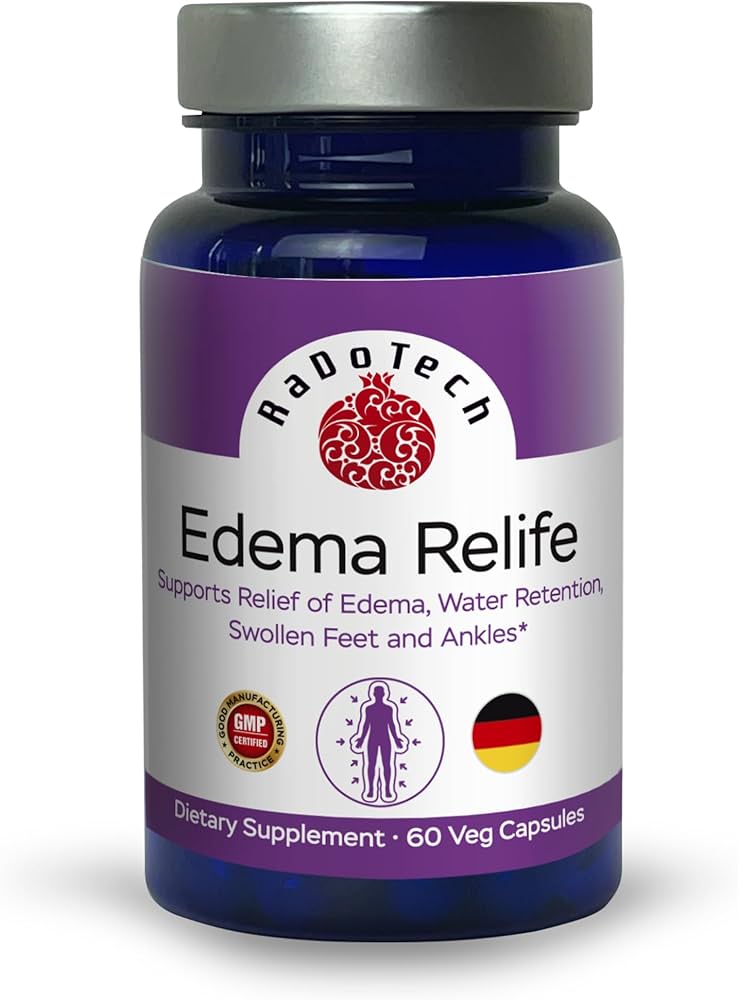
Herbal products like dandelion leaf or pamabrom can slightly increase urine output, but theyre not strong enough for clinically significant edema. Think of them as a gentle nudge rather than a solution.
Best ointment for edema
While ointments wont drain fluid, a fragrancefree moisturiser can protect cracked skin that often accompanies swelling. Look for products with ceramides or hyaluronic acid to keep the skin barrier healthy.
Natural adjuncts drinks that help
Water is the ultimate flush, but adding a cup of hibiscus tea or cucumberinfused water can add a mild diuretic boost. Limit caffeine and alcohol, as they can dehydrate you and worsen electrolyte imbalances.
What to drink to reduce swelling in feet
- Many sources suggest aiming for 810 glasses of plain water daily, though individual fluid needs vary.
- Herbal teas like dandelion, green tea, or parsley tea are often used as supportive beverages.
- Freshly squeezed lemon water (vitamin C supports circulation) is another popular choice.
Five quick habits to cut foot swelling
- Elevate feet above heart level for 1520minutes, three times a day.
- Wear class2 compression stockings if recommended by a clinician.
- Choosing potassiumrich foods (bananas, avocados) instead of salty snacks may help.
- Taking a short walk after meals can stimulate lymph flow.
- Follow the prescribed medication schedule and keep up with lab checks as recommended.
Lifestyle Strategies
Elevation & compression
Propping your feet on a pillow while sitting or lying down lets gravity pull fluid back toward the heart. Compression stockings apply gentle pressure that assists veins in moving blood upward. The right compression level (usually 2030mmHg) can be determined by a vascular specialist.
Gentle movement & massage
Simple legraise exerciseslie on your back, lift legs to a 45degree angle, hold for 10 seconds, repeat 10 timescan improve circulation. If you enjoy a bit of selfcare, a light lymphatic drainage massage (using upward strokes from the foot toward the knee) can also help move fluid out of the tissues.
Salt intake & diet
Limiting sodium is commonly recommended; many health organizations suggest a target of less than one teaspoon of table salt per day as a general guide, but individual targets depend on overall health. Foods with natural diuretic propertieswatermelon, cucumber, celery, and asparaguscan complement your medication.
When can edema be lifethreatening?
Sudden, painful swelling accompanied by shortness of breath could signal heart or kidney failure. According to the Cleveland Clinic, rapid onset edema should be evaluated urgently because it can be a sign that a vital organ is struggling to filter fluid.
Case study: Annas twoweek turnaround
Anna, a 58yearold teacher, noticed her ankles swelling after a long holiday season. Her doctor prescribed furosemide 20mg daily, advised her to elevate her legs and cut back on processed foods. Within ten days, the puffiness reduced by half, and after three weeks she was back to her daily walks. Annas story illustrates how a balanced approachmedicine plus simple lifestyle tweakscan make a big difference.
Treatment Decision
Assess the cause first
Before taking any medication, it is essential to identify why the fluid is building up. Is it heartrelated, kidneyrelated, medicationinduced, or simply a result of a salty diet? Your doctors labs and imaging will guide the right treatment path.
Weigh benefits vs. risks
Loop diuretics offer rapid relief but demand careful monitoring of electrolytes. Thiazides are gentler but may not be enough for severe cases. Combining drugs can boost effectiveness but adds complexity. Use the comparison table above to see which option aligns with your health profile.
Consider your personal health
- Kidney disease? A prescriber will typically consider a lower dose or a different class.
- Pregnancy? Many diuretics are avoided; lifestyle changes often become primary.
- High blood pressure? A thiazide may address both issues.
Ask your provider the right questions
Bring a short checklist to your appointment: What labs will you order? How soon should I expect improvement? What sideeffects should I watch for? Having clear answers helps you feel in control and reduces anxiety.
Printable treatment planner
Download a simple table to track your medication, daily fluid intake, and any symptoms. Seeing progress on paper (or a phone note) can be surprisingly motivating.
Conclusion
When it comes to medicine for edema in feet, prescription diuretics like furosemide remain the most proven option, but they work best when paired with sensible lifestyle tweakselevation, compression, a lowsalt diet, and adequate hydration. Overthecounter ointments and herbal supplements can support skin health and mild fluid shifts, yet they shouldnt replace a doctorprescribed plan.
If swelling persists, intensifies, or is accompanied by shortness of breath, dont waitseek medical care promptly. And if youve found a routine that eases your puffiness, consider sharing it with a friend whos struggling too. Together we can turn those heavy, swollen feet into something you barely notice.