Not medical advice — written by Ngoc Vietsmall, who is not a healthcare professional.
This article summarises publicly available medical information for general readers. It cannot account for your history, medication or symptoms, and it is not a diagnosis or a treatment plan. Any dose mentioned comes from published labelling or guidelines — only your own prescriber can decide what is right for you.
Always speak to a doctor or pharmacist before starting, stopping or changing any treatment. If symptoms are severe or getting worse, seek urgent care. Full disclaimer · How this is written
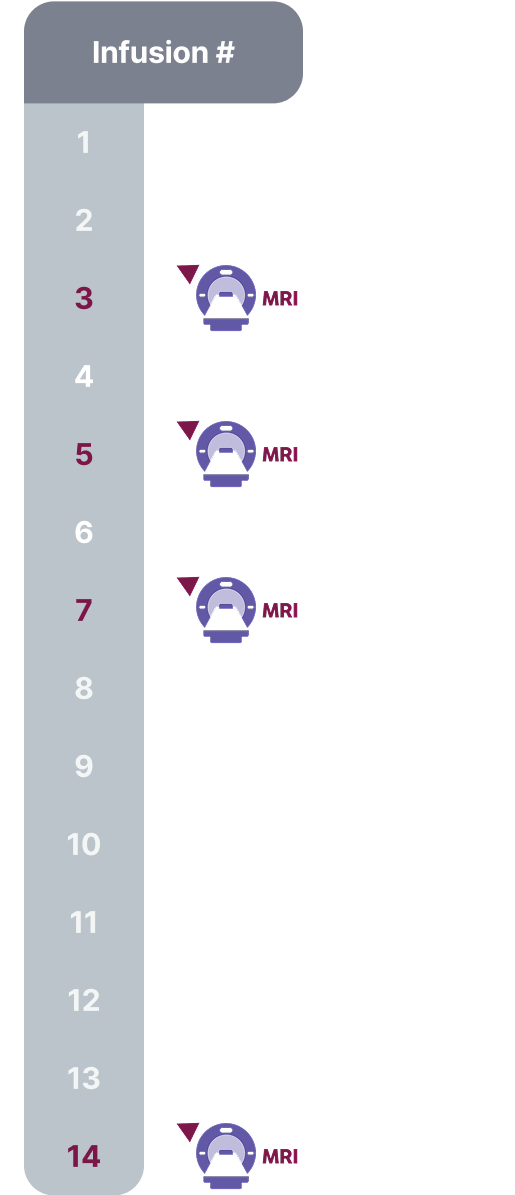
Leqembi infusions are given every two weeks, and youll have brain MRIs before the 5th, 7th, and 14th infusions to keep an eye on possible ARIA changes. In short: baseline scan, then three checkinsthats the core of the leqembi infusion mri schedule.
Why does this matter? Because timely MRIs help catch side effects early, keep your treatment on track, and give you peace of mind while youre tackling Alzheimers disease. Lets walk through the schedule together, step by step, so you never feel lost in a sea of appointments.
Why MRI Matters
What is ARIA and why is it checked with MRI?
ARIA stands for AmyloidRelated Imaging Abnormalities. Its a fancy way of saying that the drug can cause swelling (edema) or tiny bleeds in the brain. The good news? Most cases are mild and resolve on their own, but spotting them early matters. The FDA guidance on ARIA specifically recommends MRI before the 5th, 7th, and 14th infusions to catch any changes before they become a problem.
How does the MRI schedule fit into the overall treatment plan?
The leqembi infusion protocol is straightforward: a 10mg/kg IV dose every two weeks. The MRI checkpoints are woven into this rhythm, acting like traffic lights that tell you when its safe to keep going. Think of the infusions as the road trip and the MRIs as the rest stops where you check the maps.
What happens if an MRI shows ARIA?
If the scan lights up for ARIA, your neurologist will follow a decision tree: continue the infusion, hold it for a few weeks, or in rare cases, stop treatment. The key is that the protocol is clear, so you wont be left guessing. Most patients who develop mild ARIA can resume once the swelling subsides.
Infusion & MRI Timeline
| Week | Event | Details |
|---|---|---|
| Baseline (12months before 1st infusion) | Pretreatment MRI | Establishes a reference scan; required by the leqembi dosage guidelines. |
| 0 | Infusion#1 | 10mg/kg IV over ~1hour; no MRI needed yet. |
| 26 | Infusions#24 | Every 2weeks; continue monitoring symptoms. |
| 8 (Before #5) | MRI#1 | Check for ARIA; if clear, proceed with infusion#5. |
| 812 | Infusions#56 | Same dosage; watch for any new symptoms. |
| 14 (Before #7) | MRI#2 | Second safety checkpoint; repeat the same evaluation. |
| 1426 | Infusions#713 | Continues biweekly; maintain the schedule. |
| 28 (Before #14) | MRI#3 | Final standard scan in the induction phase. |
| After#14 | Maintenance Phase | Infusions continue every 2weeks up to ~18months; extra MRIs only if symptoms arise. |
That table is your cheat sheet. You can print it, stick it on the fridge, or copy it into a notes app.
Baseline: Before the 1st infusion
Youll need a brain MRI sometime within the year before you start. This scan becomes the baseline against which all future images are compared. Its also the moment your doctor confirms you meet the leqembi dosage criteria (based on weight).
Infusions14 (Weeks06)
These early doses set the therapeutic foundation. No MRI is required yet, but keep a symptom diaryheadaches, visual changes, or anything out of the ordinary deserve a note.
MRI#1 Before the 5th infusion (Week8)
This is the first real safety checkpoint. The radiologist will look for subtle swelling or microhemorrhages. If the report says no ARIA, you get the green light to continue.
MRI#2 Before the 7th infusion (Week14)
The same process repeats. Some patients notice that their anxiety eases after each clean scan because they see tangible proof that everythings okay.
MRI#3 Before the 14th infusion (Week28)
This final standard scan wraps up the induction phase. After it, most clinics only order extra MRIs if you develop new symptoms.
Tracking Appointments
Using the Leqembi Appointment Tracker (PDF)
The official tracker is a fillintheblank PDF that lets you log dates, infusion center locations, and MRI results all in one place. Ive found it especially useful when I was juggling work, family, and appointmentsnothing slipped through the cracks.
Digital Tools & Calendar Sync
Set a recurring event in Google Calendar or Apple Health for Leqembi infusion 2weeks later. Add a reminder 48hours before each MRI checkpoint so you have time to arrange transport. A quick screenshot of a calendar entry looks like this: Leqembi MRI #2 14weeks Dr. Lee 9AM.
Coordinating with Your Infusion Center
Not every clinic calls themselves a leqembi infusion center, but the ones that are certified follow the same MRI protocol. When you book, ask: Will you schedule the MRI before my 5th infusion? A simple yes can save you weeks of backandforth.
What to Do if You Miss a Scan
Life happensmaybe a flight got delayed or a family emergency popped up. Call your neurologist ASAP, explain the situation, and reschedule the MRI before the next infusion. Most doctors appreciate the headsup and will adjust the infusion calendar accordingly.
Common Questions
How many infusions of Leqembi are needed?
The typical plan includes an induction phase of 14 infusions (roughly 7months) followed by a maintenance phase that can stretch up to 18months, depending on how you respond. Some trials kept patients on treatment for up to 3years.
What is the standard Leqembi dosage?
Its 10mg per kilogram of body weight, administered intravenously every two weeks. The dosage is weightbased, so the exact milligram amount changes if you gain or lose a significant amount of weight.
What are the typical side effects of Leqembi infusions?
Most people report mild headache, nausea, or a warm sensation during the infusionnothing unlike other IV therapies. The more serious concern is ARIA, which is why the MRI schedule is nonnegotiable. Youll also see the usual infusionsite bruising or tenderness.
Can the MRI schedule differ for Kisunla?
Kisunla (donanemab) follows a similar monitoring principle but uses a slightly different timingusually baseline, then scans at months3,6, and12. Its a good reminder that each antiamyloid drug has its own protocol, so dont assume theyre interchangeable.
Do all infusion centers follow the same MRI protocol?
Certified leqembi infusion centers are required by the FDA to adhere to the threescan schedule. If a center deviates, ask for the rationale and request documentation. Your safety is the priority.
What if I have a pacemaker or other MRI contraindication?
In those cases, doctors may opt for a CT scan or rely more heavily on clinical assessments. The key is open communicationlet your care team know any hardware or health issues ahead of time.
Patient Stories
Sarahs first MRI before infusion5
Sarah wrote, When the radiology technician called, my heart raced. Luckily, the scan was clean, and I got the green light. I printed the MRI report and taped it to my fridge. Seeing that no ARIA in black and white gave me real peace of mind. Her story highlights how the tracker and a clear report can turn anxiety into confidence.
Marks unexpected ARIA at infusion7
Mark noticed a mild headache after his sixth infusion and mentioned it at his next appointment. The MRI before his seventh dose revealed a small area of edema. His neurologist paused the treatment for three weeks, treated the swelling, and then resumed at the same dose. Mark says, If I hadnt had that scan, I might have kept going and risked something worse.
Tips from a caregiving spouse
Emily, caring for her husband, shares three practical pearls: (1) bring a printed copy of the appointment tracker to every visit, (2) write down any new symptoms the day they appear, and (3) keep a list of pharmacy contact numbers for quick dosage verification. Her advice makes the whole process feel less like a maze.
Sources & References
All the data above draws from the official Leqembi Appointment Tracker PDF, the FDAs ARIA monitoring guidance, and peerreviewed results from the CLARITYAD trial, which showed reduced amyloid buildup with the same infusion schedule.
By keeping the MRI checkpoints front and center, using a simple tracker, and staying in touch with your infusion center, you turn a complex treatment into a manageable routine. Remember: the schedule isnt a hurdleits a safety net designed to protect you while you fight Alzheimers.
If youve already started leqembi or are thinking about it, you now have a clear roadmap. What part of the schedule feels most daunting to you? Feel free to reach out with your questions, and together well navigate every scan, drip, and reminder.