Not medical advice — written by Ngoc Vietsmall, who is not a healthcare professional.
This article summarises publicly available medical information for general readers. It cannot account for your history, medication or symptoms, and it is not a diagnosis or a treatment plan. Any dose mentioned comes from published labelling or guidelines — only your own prescriber can decide what is right for you.
Always speak to a doctor or pharmacist before starting, stopping or changing any treatment. If symptoms are severe or getting worse, seek urgent care. Full disclaimer · How this is written
Quick answer: Leukemia can raise the chance of a miscarriage, especially if the disease is active or if chemotherapy or other treatments are needed during pregnancy. But every story is different—early detection, a skilled care team, and a personalized plan can dramatically improve outcomes for both you and your baby.
Bottom line: If you’ve been diagnosed with leukemia while expecting, you don’t have to face it alone. Let’s walk through what really matters, from the warning signs to treatment options, and how you can make informed decisions with confidence.
Understanding the Link
What leukemia really is
Leukemia isn’t a single disease; it’s a family of cancers that start in the bone marrow and affect blood cells. The most common types in pregnancy are acute myeloid leukemia (AML) and acute lymphoblastic leukemia (ALL). Chronic forms like chronic myeloid leukemia (CML) are rarer but still possible. These cancers mess with the production of red cells, white cells, and platelets, which can lead to anemia, infections, and bleeding—issues that can directly impact a pregnancy.
Why the miscarriage risk goes up
There are two main reasons leukemia can tip the scales toward miscarriage:
- Biological effects: Low platelet counts increase the risk of bleeding in the placenta, while an over‑active immune system can cause inflammation that harms the developing fetus.
- Treatment‑related factors: Chemotherapy, targeted therapies, and even high‑dose steroids can be teratogenic, especially in the first trimester.
How often does it happen?
Leukemia during pregnancy is rare—about 1 in 75,000 to 1 in 100,000 pregnancies. When it does occur, AML accounts for roughly two‑thirds of cases. Despite the low numbers, the stakes are high, so understanding the mechanics is worth your time.
Warning Signs
Symptoms that shouldn’t be ignored
Pregnancy already brings fatigue and hormonal changes, but these signs go beyond the usual “morning sickness”:
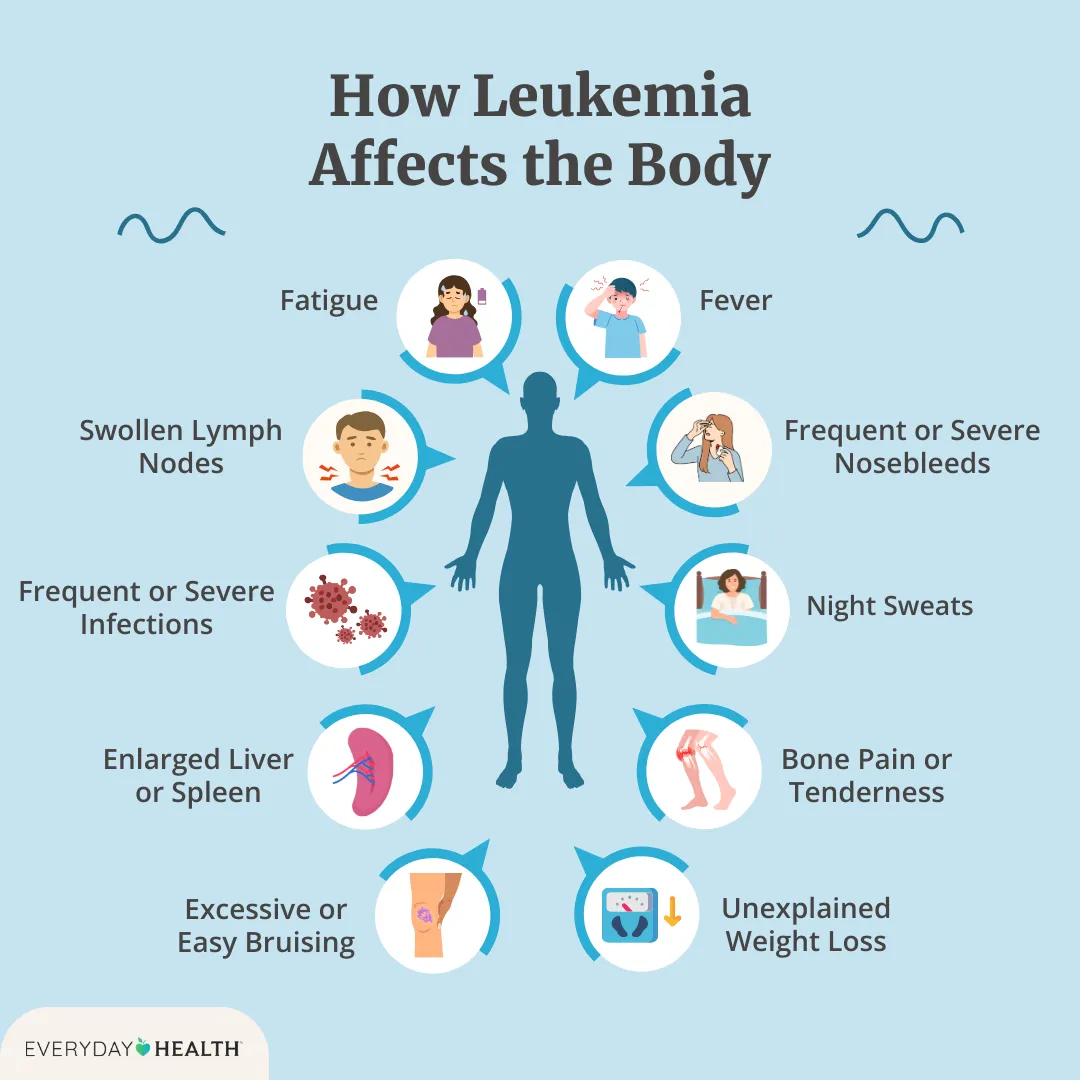
- Persistent or unexplained fever and night sweats
- Quick, unexplained bruising or tiny red spots (petechiae) on the skin
- Heavy, prolonged bleeding or unusually light periods
- Swollen lymph nodes that don’t go away
- Bone or joint pain that feels out of the ordinary
If any of these pop up, it’s smart to ask your doctor for a full blood count—early detection can change the whole game.
Getting tested safely
Diagnosing leukemia in pregnancy usually starts with a CBC (complete blood count) and a differential count. If the blood work looks off, a bone‑marrow aspirate can be done under local anaesthetic, which is safe for the baby. Imaging that avoids radiation—ultrasound and MRI—helps stage the disease without harming the fetus.
Pregnancy Outcomes
Miscarriage rates and what influences them
| Factor | Approx. Miscarriage Rate |
|---|---|
| Untreated active leukemia | 30‑45 % |
| Chemotherapy in 1st trimester | 25‑35 % |
| Chemotherapy after 2nd trimester | 10‑15 % |
| Well‑controlled chronic leukemia | <5 % |
These numbers come from recent American Society of Hematology studies and give a realistic picture without sensationalism.
Other fetal and maternal risks
Beyond miscarriage, leukemia and its treatment can lead to preterm birth, low birth weight, and neonatal neutropenia (low white‑cell count). Certain targeted drugs, like tyrosine‑kinase inhibitors, have been linked to specific birth defects, so they’re usually avoided if possible.
Long‑term health of the child
Most children born to mothers who had leukemia are perfectly healthy. A 2024 review in Spandidos found no increase in childhood leukemia linked to maternal disease, though ongoing monitoring is recommended when the mother received high‑dose chemo near delivery.
Pregnancy Possibility
Can a woman with leukemia get pregnant?
Yes, many women become pregnant after treatment, but timing matters. For most acute leukemias, experts advise waiting 12‑24 months after achieving a complete remission before trying to conceive. This waiting period lets the body recover and reduces the risk of relapse during pregnancy.
Fertility after treatment
High‑dose chemotherapy and stem‑cell transplants can damage the ovaries, leading to reduced egg reserve. Options like egg or embryo freezing, and even ovarian tissue preservation, are discussed before treatment begins. Hormone tests (AMH, FSH) help gauge readiness when you’re thinking about starting a family later.
Real‑world success story
Emily (name changed for privacy) was diagnosed with AML at 28. After a year of remission, she and her partner decided to try for a baby. With close monitoring and a modified chemo schedule, she delivered a healthy baby girl at 38 weeks. Her story underscores that pregnancy after leukemia is challenging but far from impossible.
Managing the Condition
Team of experts you’ll need
Think of your care team as the ultimate support squad:
- Hematologist‑oncologist (cancer specialist)
- Maternal‑fetal medicine physician (ob‑gyn with high‑risk expertise)
- Neonatologist (newborn specialist)
- Fertility counselor
- Psychosocial therapist or support group leader
Each brings a piece of the puzzle, ensuring that both you and the baby get the safest, most effective care.
Treatment by trimester
| Trimester | Preferred Approach | Key Safety Notes |
|---|---|---|
| 1st | Delay intensive chemo if possible; use low‑dose steroids | High teratogenic risk—monitor closely |
| 2nd | Anthracycline‑based regimens (e.g., Daunorubicin) – relatively safe | Watch platelet count; give transfusions if needed |
| 3rd | Continue chemo; plan delivery 2‑3 weeks after last cycle | Prepare for possible neonatal neutropenia at birth |
These guidelines stem from the latest Blood journal article (2025) on leukemia management in pregnancy.
Medication safety snapshot
Here’s a quick reference for common drugs:
- Anthracyclines (Daunorubicin, Doxorubicin): Generally safe after week 14, but cause low platelet counts.
- Cytarabine: Can be used in mid‑to‑late pregnancy; watch for fetal growth restriction.
- Tyrosine‑kinase inhibitors (e.g., Imatinib): Not recommended in pregnancy; switch to interferon if needed.
- Steroids (Prednisone): Relatively safe throughout, useful for controlling inflammation.
Planning delivery
When the baby is ready, the obstetrician will decide between vaginal birth and C‑section based on platelet levels and overall health. If platelet counts dip below 50,000/µL, a C‑section with platelet transfusion may be safer.
Child Transmission
Is leukemia contagious?
No, leukemia can’t be passed from mother to child like an infection. However, rare inherited genetic syndromes—such as germline mutations in RUNX1 or TP53—can increase a child’s lifetime risk. If you have a known familial predisposition, genetic counseling is a wise step.
Newborn screening
All newborns receive a routine CBC (complete blood count) within the first 24 hours. If any abnormalities appear, pediatric hematologists can step in early, ensuring prompt care.
Helpful Resources
Feeling overwhelmed? You’re not alone. Here are a few trusted places where you can find up‑to‑date information, support groups, and professional guidance:
- Leukaemia Foundation – Pregnancy & Blood Cancer
- American Cancer Society – Fertility & Cancer
- National Cancer Institute – Cancer and Pregnancy
- Local hospital maternal‑fetal medicine clinics (search “high‑risk pregnancy specialist near me”)
Conclusion
Leukemia can indeed raise the risk of miscarriage, but modern medicine offers a toolbox of monitoring, treatment tweaks, and supportive care that can dramatically improve outcomes. The key is early detection, a multidisciplinary team, and a clear, personalized plan that respects both your health and your dreams of motherhood. If you’re navigating this journey, reach out to a specialist, lean on trusted resources, and remember—you’re not facing this alone. Share your questions or experiences in the comments below; let’s support each other every step of the way.