Not medical advice — written by Ngoc Vietsmall, who is not a healthcare professional.
This article summarises publicly available medical information for general readers. It cannot account for your history, medication or symptoms, and it is not a diagnosis or a treatment plan. Any dose mentioned comes from published labelling or guidelines — only your own prescriber can decide what is right for you.
Always speak to a doctor or pharmacist before starting, stopping or changing any treatment. If symptoms are severe or getting worse, seek urgent care. Full disclaimer · How this is written
If you’ve been tossing, turning, or waking up feeling foggy, you’re not alone—and the solution might be sitting on your kitchen shelf. In the next few minutes I’ll walk you through which vitamins actually support a good night’s rest, which can backfire, and how to use them safely. No fluff, just straight‑to‑the‑point advice you can start applying tonight.
Why Vitamins Matter
Our bodies run on chemistry, and sleep is no exception. Hormones like melatonin and neurotransmitters such as serotonin are built from nutrients you get from food—or supplements when your diet falls short. When those building blocks are missing or imbalanced, the whole sleep‑wake cycle can wobble.
What’s the science behind vitamins and sleep hormones?
Melatonin, the hormone that tells your brain “time to sleep,” is synthesized from the amino acid tryptophan, which depends on adequate levels of B‑vitamins—especially B6. Vitamin D helps regulate the brain’s clock genes, and magnesium supports GABA, the calming neurotransmitter that quiets nervous activity before bedtime. A quick look at the research from the Sleep Foundation shows that deficiencies in these nutrients are linked to longer sleep latency and lighter sleep stages.
Which sleep‑related deficiencies are most common in adults?
| Deficiency | Typical Symptoms | Common Sources / Supplements |
|---|---|---|
| Vitamin D | Insomnia, mood swings, daytime fatigue | Sun exposure, fortified milk, 600‑800 IU daily |
| Vitamin B12 | Sleep fragmentation, low energy | Meat, eggs, 2.4 µg daily (more if low) |
| Magnesium | Restless legs, difficulty falling asleep | Leafy greens, nuts, 300‑400 mg before bed |
| Zinc | Interrupted sleep cycles | Shellfish, pumpkin seeds, 10‑15 mg nightly |
| Vitamin B6 | Short REM periods, vivid dreams | Bananas, chickpeas, 1.3‑2 mg daily |
These five deficiencies show up most often in clinical screenings for adults with chronic insomnia. Knowing which to test for can save you from a trial‑and‑error supplement regimen.
How do stress and anxiety tie into vitamin needs?
Stress spikes cortisol, a hormone that keeps you alert. B‑vitamins, especially B6 and B9 (folate), help the body convert cortisol into calmer, more manageable forms. That’s why many people searching for “best vitamins for sleep and anxiety” end up on the same short list: Vitamin D, magnesium, and a balanced B‑complex.
The Good Vitamins
Let’s get into the “good” side of the story—those nutrients that have solid evidence behind them for nudging you toward deeper, more restorative sleep.
Which vitamins are most effective for improving sleep quality?
Here’s a quick cheat‑sheet you can bookmark:
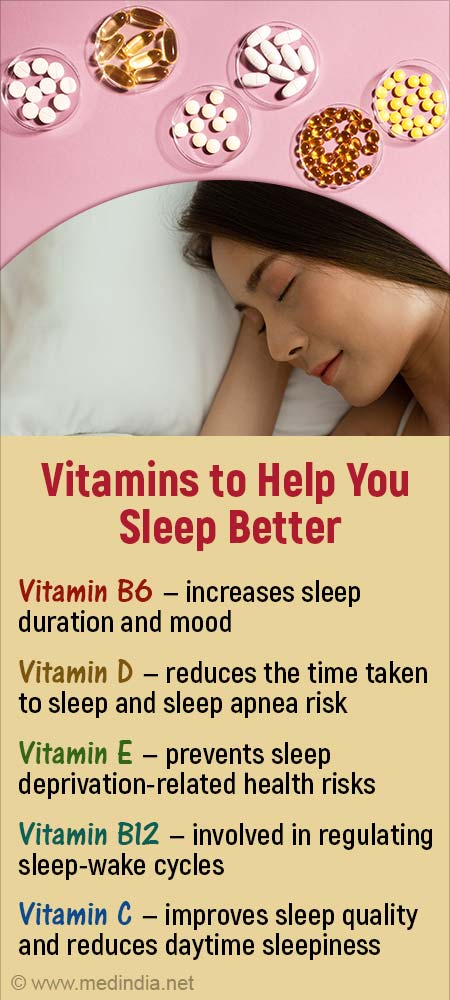
- Vitamin D – Supports circadian rhythm regulation; aim for 600‑800 IU daily unless blood work says otherwise.
- Magnesium – Enhances GABA activity; 300‑400 mg of magnesium glycinate before bed works well for most.
- Vitamin B6 – Boosts serotonin → melatonin conversion; 1.5 mg in the morning keeps the night calm.
- Vitamin B12 – Helps maintain a regular sleep‑wake schedule; 2.4 µg is enough for most adults, higher only if a deficiency is confirmed.
- Melatonin (supplement) – Technically a hormone, but many “melatonin vitamins for sleep” blends combine low‑dose melatonin (0.5‑3 mg) with magnesium or B‑complex for smoother absorption.
These are the nutrients you’ll see repeatedly in studies like the one published in Current Evidence on Common Dietary Supplements for Sleep Quality, which rated magnesium and melatonin as the most consistently beneficial.
How do B‑vitamins affect insomnia and fatigue?
Think of B‑vitamins as the crew that runs the sleep factory. Vitamin B6 is the foreman that converts tryptophan into serotonin, which then becomes melatonin at night. Vitamin B12 acts like a master clock‑adjuster, helping keep your internal schedule synced with daylight. When either is lacking, you might feel “wired” even after a full night’s rest.
Can melatonin‑combined vitamins boost results?
Yes, but only when the dose is right. A tiny amount of melatonin (0.5‑3 mg) paired with magnesium can shorten the time it takes to fall asleep without causing grogginess in the morning. Over‑loading on melatonin—say, 10 mg—can actually disrupt your natural production, according to Mayo Clinic. Keep it low and see how your body reacts.
Are there specific vitamins for adults with anxiety‑related sleep issues?
Absolutely. A pair of studies highlighted vitamin D and magnesium as top allies for anxiety‑driven insomnia. Vitamin D deficiency often correlates with mood disorders, while magnesium has a calming effect on the nervous system—think of it as a natural “off switch.” One anecdote I hear often: Sarah, a 34‑year‑old graphic designer, added a daily 1,000 IU vitamin D capsule and 300 mg magnesium powder to her bedtime smoothie. Within two weeks, her mind‑racing stopped, and she reported 30‑minute faster sleep onset.
The Bad Vitamins
Not every vitamin is a bedtime hero. Some can actually keep you awake, especially if you over‑dose or take them at the wrong time.
Can too much vitamin B12 cause insomnia?
High doses—think 1,000 µg or more—can overstimulate the nervous system, leading to alertness when you should be winding down. Most adults need only 2.4 µg per day, and the body excretes excess B12 fairly well, but super‑high supplemental levels have been linked to insomnia in a handful of case reports. If you’re sensitive, stick to the Recommended Dietary Allowance (RDA) unless a doctor tells you otherwise.
Does vitamin D deficiency *or* excess disturb sleep?
Low vitamin D is clearly associated with poorer sleep quality, but there’s little evidence that “vitamin D destroyed my sleep” when you take too much. Excess vitamin D can cause hypercalcemia, which leads to muscle cramps and restlessness—not ideal at night. The safe upper limit for most adults is 4,000 IU per day.
Are multivitamins associated with poorer sleep maintenance?
Some multivitamin formulas contain stimulatory nutrients—high‑dose vitamin C, vitamin A, or even small amounts of caffeine‑like compounds in herbal blends. A small exploratory study (PMC2174691) suggested that participants taking a high‑potency multivitamin reported more nighttime awakenings compared to those who took targeted single nutrients. The take‑away? If you’re focusing on sleep, a tailored supplement is better than a “one‑size‑all” pill.
Which other nutrients can inadvertently keep you awake?
- Vitamin C (large doses) – Can increase adrenal activity.
- Niacin (high flush doses) – Causes a burning sensation that can be distracting.
- Vitamin A (mega doses) – May interfere with melatonin synthesis.
- Herbal stimulants (e.g., guarana, green tea extract) – Often hidden in “energy” blends.
When you’re building a nighttime routine, keep these in the “avoid after 6 p.m.” column.
Choosing Vitamins Safely
Alright, you’re probably wondering: “Where do I start?” The safest route is a short, step‑by‑step plan that blends testing, timing, and quality checks.
Should I get tested for deficiencies first?
Yes. A simple blood panel can measure 25‑OH vitamin D, serum B12, and magnesium. According to a clinical nutritionist I consulted, “Lab results turn guesswork into a prescription‑style plan, and you avoid unnecessary supplementation.” Once you have numbers, you can target the exact gaps.
What dosage and timing work best?
Here’s a quick timeline you can try:
- Morning (7‑9 a.m.): B‑complex (including B6, B9, B12) to support energy and keep cortisol in check.
- Lunch (12‑1 p.m.): Vitamin D with a healthy fat source (e.g., avocado or olive oil) for better absorption.
- Evening (30‑60 min before bed): Magnesium glycinate + a low‑dose melatonin (if needed) and maybe zinc.
Keeping stimulatory nutrients away from bedtime reduces the chance of accidental wake‑ups.
How to read supplement labels for quality?
Look for these trust signals:
- Third‑party testing badges (USP, NSF, ConsumerLab).
- “No added stimulants” disclaimer.
- Clear dosage per serving—avoid proprietary blends that hide amounts.
If a product claims “all‑natural sleep aid” but lists “herbal caffeine” in the fine print, skip it.
Can I combine vitamins with other sleep aids?
Yes, but be mindful of interactions. Magnesium and melatonin are synergistic—both calm the nervous system. However, pairing high‑dose B12 with caffeine (even from coffee) can amplify alertness. A simple interaction matrix:
| Combination | Effect |
|---|---|
| Magnesium + Melatonin | Improved sleep latency, deeper REM |
| B12 + Caffeine | Increased wakefulness, possible insomnia |
| Vitamin D + Calcium | Better absorption, neutral effect on sleep |
When to stop and see a professional?
If you’ve tried a well‑rounded supplement plan for four weeks and still wake up feeling unrested, it’s time to consult a sleep physician or registered dietitian. Red flags include:
- Persistent insomnia > 4 weeks.
- Daytime hyper‑alertness accompanied by jitteriness.
- Underlying health conditions (thyroid issues, depression, chronic pain).
Professional guidance can uncover hidden sleep disorders like sleep apnea that vitamins alone won’t fix.
Lifestyle And Supports
Vitamins can be a powerful piece of the puzzle, but they work best when paired with good sleep hygiene and stress‑management habits.
How do diet and bedtime habits complement vitamins?
Try these simple tweaks:
- Avoid heavy meals, alcohol, and bright screens at least an hour before bed.
- Include tryptophan‑rich foods (turkey, tofu, nuts) in your evening snack.
- Stay hydrated, but stop drinking large volumes 30 minutes before lights‑out to reduce bathroom trips.
Can stress‑relief techniques boost vitamin effectiveness?
Absolutely. Mindfulness meditation, deep‑breathing, or a short yoga flow can lower cortisol, allowing B‑vitamins to do their conversion work more efficiently. One reader shared that after adding a 10‑minute guided breath session each night, her magnesium supplement seemed to “take effect” faster.
What are the top 5 mineral deficiencies linked to insomnia?
- Magnesium – Often low due to processed foods; supports GABA.
- Zinc – Needed for melatonin synthesis.
- Calcium – Works with magnesium to relax muscles.
- Iron – Deficiency can cause restless legs syndrome.
- Potassium – Balances nerve signals; low levels cause nighttime cramps.
Quick “Sleep‑Boost” smoothie recipe
Blend together:
- 1 cup spinach (magnesium, calcium)
- ½ banana (potassium, vitamin B6)
- ½ cup fortified almond milk (vitamin D, calcium)
- 1 tbsp almond butter (magnesium & healthy fats)
- Optional: 200 mg magnesium glycinate powder
Sip it 30 minutes before bed for a soothing, nutrient‑rich wind‑down.
Bottom Line Checklist
- Assess: Get blood work for vitamin D, B12, and magnesium levels.
- Prioritize: Vitamin D, B‑complex (focus on B6/B9), magnesium, and low‑dose melatonin if needed.
- Avoid: Excess B12, high‑dose multivitamins without testing, stimulatory vitamins after 6 p.m.
- Combine: Healthy diet, stress‑relief practices, consistent bedtime routine.
- Consult: A sleep‑medicine or nutrition professional before high‑dose regimens.
Final Thoughts Summary
Now you have a roadmap of which sleep disturbances vitamins can genuinely help, which ones might keep you tossing, and how to weave them into a balanced lifestyle. The key takeaway? Start with a simple assessment, choose targeted supplements at the right time, and pair them with good sleep habits. Your nights don’t have to be a mystery—little tweaks can make a world of difference.
What’s your experience with vitamins and sleep? Have you tried a magnesium night‑cap or a melatonin blend? Share your story in the comments, and let’s help each other get the rest we all deserve. If you have any lingering questions, feel free to ask—I'm here to help you find the calm in the night.