Not medical advice — written by Ngoc Vietsmall, who is not a healthcare professional.
This article summarises publicly available medical information for general readers. It cannot account for your history, medication or symptoms, and it is not a diagnosis or a treatment plan. Any dose mentioned comes from published labelling or guidelines — only your own prescriber can decide what is right for you.
Always speak to a doctor or pharmacist before starting, stopping or changing any treatment. If symptoms are severe or getting worse, seek urgent care. Full disclaimer · How this is written
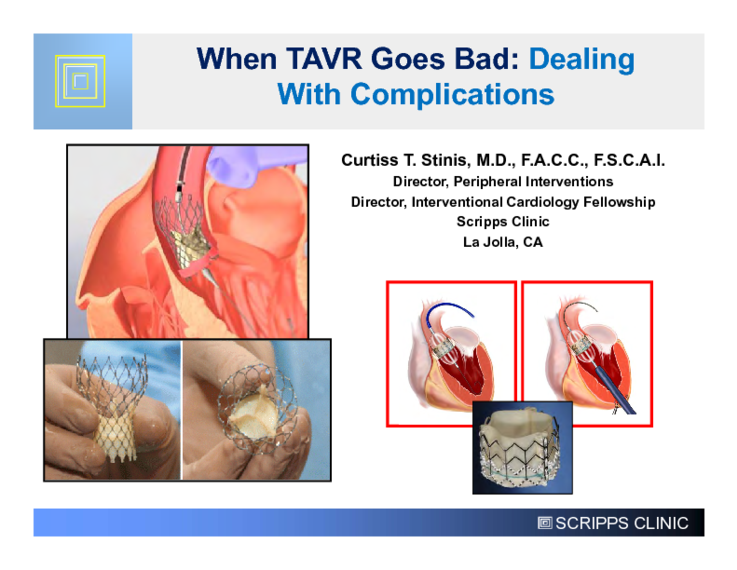
Most people dont realize that the serious outcomes after a TAVR procedure tend to fall into five core groups. Those big five drive hospital readmissions, stroke risk, and longterm survival, and knowing them can make the difference between anxiety and confidence.
In the next few minutes Ill walk you through each complication, share the latest numbers, and show you how doctors spot and manage them before they become lifethreatening. Think of it as a friendly chat over coffee, with realworld examples that keep the medical jargon to a minimum.
Big Five Overview
Stroke & Neurologic Events
Stroke is the most feared neurologic event after a ACC guideline review of thousands of cases. It can be major (causing lasting disability) or minor (brief symptoms that resolve). The overall incidence hovers around 23% in contemporary practice, but it jumps in patients over 80years old, which ties directly into the risks of TAVR in elderly populations.
QuickFacts Box
- Incidence: 23% overall; up to 5% in patients 80yr
- Typical timeline: within the first 48hours, but can appear up to 30days
- Redflag symptoms: sudden weakness, slurred speech, vision loss
- Prevention: antiplatelet/anticoagulation therapy, cerebral embolic protection devices
Vascular Access Complications
When the catheter sneaks its way through the femoral artery, anything from a small bleed to a major arterial tear can happen. These are the tavr vascular complications that most patients hear about because theyre often the first thing surgeons watch for in the recovery room. Current data put major vascular complications at about 47%.
Typical Vascular Issues
- Bleeding or hematoma at the access site
- Arterial dissection or perforation
- Pseudoaneurysm formation
- Need for surgical repair or a covered stent
Paravalvular Leak (PVL)
PVL occurs when the new valve doesnt seal perfectly against the native annulus, allowing blood to leak around it. Moderatetosevere leaks happen in roughly 5% of cases today, a big improvement from earlygeneration devices but still a concern because they can cause persistent shortness of breath and fatigue.
How PVL Feels
If you notice a new heart murmur, worsening shortness of breath on exertion, or unusual fatigue a few weeks after the tavr procedure, it could be a sign of PVL. Your doctor will confirm it with an echocardiogram.
Conduction Disturbances & Pacemaker Need
The hearts electrical system is a delicate network, and a TAVR valve placed too deep can press on the conduction pathways. Newonset left bundle branch block (LBBB) or complete heart block may require a permanent pacemaker in about 1015% of patients.
When a Pacemaker Becomes Necessary
- Persistent highgrade AV block after the procedure
- Symptomatic bradycardia despite medication
- Electrophysiology testing showing unsafe conduction
Acute Kidney Injury (AKI)
Contrast dye, blood pressure swings, and inflammation can all stress the kidneys during the tavr procedure. AKI shows up in 1228% of patients, depending on baseline kidney function and the amount of contrast used.
Key AKI Indicators
- Rising serum creatinine within 4872hours
- Decreased urine output
- Fluid overload or swelling
Complication Rates
Understanding how often these events happen helps put fear into perspective. Below is a snapshot of the most recent national data, pulled from large registries and peerreviewed studies.
| Complication | Rate (Modern Devices) | Typical Onset |
|---|---|---|
| Stroke | 23% | Within 48hrs (up to 30days) |
| Vascular Complications | 47% | Immediately to 24hrs |
| Paravalvular Leak (moderatesevere) | 5% | Within 30days |
| Pacemaker Implantation | 1015% | During hospitalization |
| Acute Kidney Injury | 1228% | First 72hrs |
AgeSpecific Risks
When we break the numbers by age, the picture gets clearer. Patients under 80years typically experience lower rates of vascular complications and stroke, while those 80 and older face a modest increase across the board. This is why the risks of TAVR in elderly patients deserve a nuanced discussion rather than a blanket nogo stance.
Trends Over Time
Since the first FDA approval in 2011, device innovation has been relentless. Balloonexpandable valves now have better sealing skirts, cutting PVL rates in half, while selfexpanding platforms have refined delivery systems that shave a few percent off vascular complications. The overall tavr complication rates have dropped from doubledigit percentages to the single digits we see today.
Failure Symptoms
If youve just gone through a tavr procedure, its natural to wonder what the warning signs look like. Knowing the tavr failure symptoms can turn a scary uncertainty into actionable vigilance.
Leaky Valve (PVL)
Imagine trying to drink through a straw that has a tiny hole near the tipyour effort feels wasted. With a leaking valve, you might notice:
- New or worsening shortness of breath, even at rest
- Fatigue that doesnt improve with sleep
- A faint heart murmur heard by your doctor
Stroke Warning Signs
These are the classic FAST cues: Face drooping, Arm weakness, Speech difficulty, and Time to call emergency services. Because a postTAVR stroke can happen up to a month after discharge, keep these on your radar.
Conduction Issues
If you feel dizzy, notice an irregular pulse, or experience fainting spells, it could be a sign that the hearts electrical rhythm is offbalance and a pacemaker might be needed.
Kidney Trouble
Watch for swelling in the ankles, sudden weight gain, or a marked drop in urine output. These could signal AKI, especially if youve been drinking a lot of water and still feel puffy.
Prevention Strategies
Good news: many complications are preventableor at least mitigablewhen the heart team follows evidencebased protocols. Below are the key steps doctors take, and a few things you can do as a patient to stay on the safe side.
Stroke Prevention
Anticoagulation is the backbonemost patients receive aspirin plus a direct oral anticoagulant. Some centers now use cerebral embolic protection devices that act like tiny nets catching debris during valve deployment. A recent NEJM study showed a modest reduction in new lesions on brain MRI when these devices were used.
Vascular Safety
Preprocedure CT scans map out the size and calcification of the femoral arteries. Choosing the smallest feasible sheath and using percutaneous closure devices dramatically cut the rate of major bleeding. Staying hydrated before and after the procedure also helps keep vessels supple.
Minimizing PVL
Accurate sizing of the annulus is critical. Many operators now employ a cuspoverlap view that aligns the valve with the native leaflets, ensuring a snug fit. If a small leak is seen right after deployment, a quick balloon postdilatation often seals it up.
Guarding Against Conduction Problems
Implant depth mattersa few millimeters higher can spare the hearts conduction tissue. Some teams even order a fasttrack electrophysiology study after the valve is placed, catching subtle blocks before they become big problems.
Kidney Protection
Contrast load is the biggest villain here. Using lowcontrast protocols, performing a contrastsparing CT, and giving a dose of intravenous sodium bicarbonate can keep the kidneys happy. If you have chronic kidney disease, let your cardiologist know; theyll tailor the plan accordingly.
RealWorld Example
John, a 78yearold retiree, was scheduled for TAVR. His preop CT showed a heavily calcified femoral artery. The team switched to a transaxillary approach and used a smaller sheath, avoiding what could have been a major bleed. He left the hospital after three days, symptomfree, and now enjoys gardening without a single complication.
LongTerm Outlook
Beyond the first 30days, the biggest question on many patients minds is: what is the life expectancy after TAVR procedure? The answer hinges on whether any of the big five complications occur.
Survival Without Major Complications
Data from large registries indicate a fiveyear survival rate of about 7075% for patients who sail through the early postop period without stroke, severe PVL, or the need for a pacemaker. Thats comparable to, and in some subgroups even better than, surgical aortic valve replacement.
Impact of Specific Complications
- Stroke: Reduces fiveyear survival to roughly 4050% and often leaves lasting disability.
- Severe PVL: Associated with a 1015% drop in survival due to heart failure progression.
- Pacemaker Implantation: Mostly affects quality of life rather than mortality, though a small increase in longterm heart failure risk exists.
- AKI: Even a temporary kidney injury can accelerate chronic kidney disease, influencing overall health and life expectancy.
Quality of Life Matters Too
Most patients report a dramatic improvement in NYHA functional classgoing from I cant climb a flight of stairs to Im back to playing with my grandkids. Even when a complication occurs, early detection and treatment often restore a good quality of life.
Putting It All Together
Lets recap the key takeaways:
- The big five TAVR complications are stroke, vascular injury, paravalvular leak, conduction disturbances, and acute kidney injury.
- Modern devices and refined techniques have lowered overall tavr complication rates to singledigit percentages, but age and baseline health still influence individual risk.
- Recognizing tavr failure symptoms earlylike sudden weakness, new murmur, or swellingcan prompt swift intervention.
- Preprocedure planning, careful device selection, and postop monitoring are the best defenses against these complications.
- If you avoid major complications, longterm survival and quality of life after the tavr procedure are excellent, often matching or surpassing surgical outcomes.
Understanding both the benefits and the risks empowers you to ask the right questions and partner with your heart team in a truly shared decisionmaking process.
Conclusion
The journey through TAVR can feel overwhelming, especially when you see headlines about complications. But remember, the majority of patients navigate the big five safely, thanks to advances in technology and diligent care teams. By recognizing the warning signs, staying informed about the latest prevention strategies, and keeping an open line of communication with your cardiologist, you set the stage for a smoother recovery and a healthier future.
If youve found this walkthrough helpful, consider printing the RedFlag Symptoms checklist or sharing it with a loved one whos contemplating the procedure. Knowledge is the best companion on this road, and were all in this together.