Not medical advice — written by Ngoc Vietsmall, who is not a healthcare professional.
This article summarises publicly available medical information for general readers. It cannot account for your history, medication or symptoms, and it is not a diagnosis or a treatment plan. Any dose mentioned comes from published labelling or guidelines — only your own prescriber can decide what is right for you.
Always speak to a doctor or pharmacist before starting, stopping or changing any treatment. If symptoms are severe or getting worse, seek urgent care. Full disclaimer · How this is written
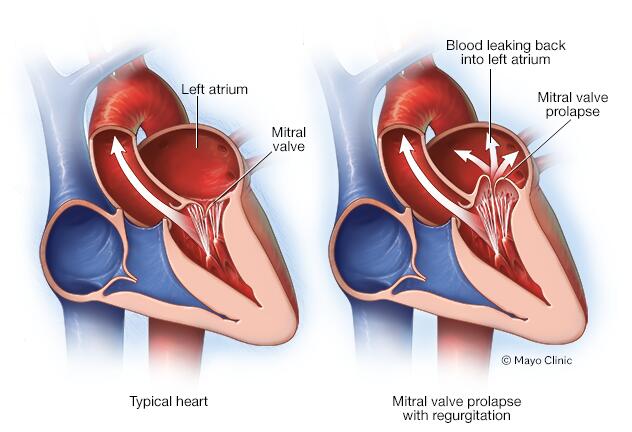
Quick answer: Mitral valve prolapse (MVP) is a heartvalve condition where one or both leaflets balloon back into the left atrium each time the heart beats. Most people live normal lives, but a few experience symptoms or complications that need attention.
Why stay tuned? In the next few minutes well break down what you might feel, why it happens, what the doctors look for, and how you can keep your heart happy all in plain language, no medical jargon needed.
What Is MVP?
Simple definition & anatomy
MVP means the mitral valve the door between the left atrium and left ventricle doesnt close quite right. Instead of snapping shut, the thin flaps (leaflets) can slip a little into the atrium during systole, much like a slightly overinflated balloon.
How doctors diagnose MVP
The first clue is often a heart murmur you hear during a routine exam. The mitral valve prolapse murmur is a soft, midsystolic click followed by a gentle whoosh. To confirm, doctors order a mitral valve prolapse echo. The ultrasound shows the leaflets motion in real time. When the diagnosis is entered into medical records, the ICD10 code I51.9 (mitral valve prolapse ICD10) is used.
Who gets MVP?
About 23% of the population has MVP, and its slightly more common in women. Most cases pop up in the teens or early twenties, but you can be diagnosed at any age. If you have a family history of connectivetissue disorders (like Marfan or EhlersDanlos), the odds go up.
Common Symptoms
Typical MVP symptoms
- Palpitations that fluttery feeling in the chest.
- Sharp or aching chest pain, especially after exercise.
- Fatigue that feels out of proportion to activity.
- Shortness of breath during exertion.
Redflag signs
If any of these appear, its time to call your doctor right away:
- Sudden, severe chest pain.
- Fainting or nearfainting spells.
- Sudden worsening of shortness of breath.
- Rapid weight gain with swelling in legs or abdomen.
The MVP murmur explained
The murmur is not dangerous by itself, but it tells your cardiologist that the valve is moving oddly. A louder click or murmur may hint that the prolapse is more pronounced.
Does MVP get worse with age?
Longterm studies from the American Heart Association suggest that most mild MVP remains stable, but a minority develop worsening regurgitation as they age, especially if they have high blood pressure or other heartrisk factors. Regular checkups keep you ahead of any change.
Root Causes
Primary vs. secondary causes
Most MVP cases are idiopathic, meaning we dont see a clear trigger. However, secondary causes include:
- Connectivetissue disorders (Marfan, EhlersDanlos).
- Rheumatic fever scar tissue.
- Trauma to the chest.
Lifestyle influences
While you cant quit genetics, certain habits can aggravate the valves movement:
- Excessive caffeine or energy drinks they can boost heart rate and make palpitations louder.
- Smoking nicotine irritates the heart muscle.
- Very highintensity endurance sports the repetitive strain may stretch the valve leaflets over years.
What should I avoid if I have MVP?
Think of it as a heartfriendly checklist:
- Limit highdose caffeine (no more than 200300mg per day).
- Avoid illicit stimulants such as cocaine or meth.
- Skip extreme weightlifting without proper guidance.
- Stay clear of smoking and secondhand smoke.
Diagnostic Tools
Echocardiogram basics
A 2D echo is the gold standard. It shows:
- Leaflet thickness and motion.
- Degree of any backflow (regurgitation).
- Overall heart function (ejection fraction).
MRI and stress testing
When echo findings are ambiguous, a cardiac MRI can map the valves geometry in three dimensions. Stress tests help reveal symptoms that only appear during exertion.
Interpreting the murmur
Clinicians listen for timing (midsystolic click) and intensity (graded 16). A louder murmur after exercise may suggest that the prolapse is becoming more severe.
ICD10 coding
For accurate medical records, use I51.9 mitral valve prolapse. Proper coding ensures insurance coverage and reliable data for future research.
| Imaging Modality | Cost (USD) | Accuracy | When Used |
|---|---|---|---|
| 2D Echocardiogram | 300500 | High | Initial diagnosis, routine followup |
| 3D Echo / Doppler | 600900 | Very High | Assess leaflet motion in detail |
| Cardiac MRI | 1,2002,000 | Very High | Complex anatomy or ambiguous echo |
| Stress Echo | 8001,200 | ModerateHigh | Symptomlimited evaluation |
Treatment Options
Watchful waiting
For most people with mild MVP and no symptoms, just watch is enough. Your cardiologist will schedule an echo every 12years to ensure nothings changing.
Medications for symptom control
- Betablockers calm the heart rate and reduce palpitations.
- Antiarrhythmic drugs used if atrial fibrillation develops.
- Anticoagulants only when a clotrisk like atrial fibrillation appears.
Interventional procedures
If regurgitation becomes moderatetosevere, doctors may recommend:
- MitraClip a tiny clip delivered via catheter that tethers the leaflets together.
- Surgical repair reshaping or reinforcing the valve.
- Valve replacement a lastresort option when repair isnt feasible.
The 2024 ACC/AHA guideline emphasizes individualized decisions based on symptom burden, valve anatomy, and overall health.
Living With MVP
Diet & exercise recommendations
Think of your heart as a lowmaintenance engine:
- Stick to a Mediterraneanstyle diet plenty of fruits, veg, whole grains, fish, and olive oil.
- Aim for 150minutes of moderate aerobic activity weekly (brisk walking, cycling). Avoid sprintintervals if they trigger palpitations.
- Stay hydrated, but dont overdrink caffeineladen sodas.
Managing anxiety & palpitations
Stress can amplify heart sensations. Simple tactics help:
- Deepbreathing or 478 technique before bed.
- Guided meditation apps (most have free versions).
- Talking to a therapist if anxiety feels overwhelming your heart will thank you.
Special situations
Pregnancy, travel, or intense life events often raise questions. In most cases, MVP is safe during pregnancy, but your OBGYN and cardiologist should coordinate care. For long flights, keep hydrated, move your legs every hour, and limit alcohol.
Quick FAQ roundup
Does mitral valve prolapse get worse with age? Usually no, but regular monitoring is key.
What should I avoid if I have MVP? Excess caffeine, smoking, and extreme highintensity sport.
How accurate is a mitral valve prolapse echo? Its the most reliable noninvasive test; when done by a certified sonographer, accuracy exceeds 95% for detecting prolapse.
When to Seek Professional Help
Redflag checklist
- Sudden increase in murmur intensity.
- New or worsening chest pain.
- Fainting, nearsyncope, or severe shortness of breath.
- Rapid fatigue that limits daily activities.
- Swelling in ankles, feet, or abdomen.
If you tick any of these boxes, schedule an appointment promptly catching a problem early often means a simpler treatment.
Conclusion
Mitral valve prolapse can feel like a mysterious guest that shows up out of nowhere, but with the right knowledge you can keep it from crashing the party. Understanding the signs, knowing what triggers it, and staying on top of diagnostics give you power over your heart health. Talk openly with your cardiologist, follow the lifestyle tips weve shared, and remember most people with MVP lead vibrant, active lives. If anything here sparked a question, feel free to reach out were all in this hearthealthy journey together.