Not medical advice — written by Ngoc Vietsmall, who is not a healthcare professional.
This article summarises publicly available medical information for general readers. It cannot account for your history, medication or symptoms, and it is not a diagnosis or a treatment plan. Any dose mentioned comes from published labelling or guidelines — only your own prescriber can decide what is right for you.
Always speak to a doctor or pharmacist before starting, stopping or changing any treatment. If symptoms are severe or getting worse, seek urgent care. Full disclaimer · How this is written
Congratulations youve hit the sixmonth mark after your mitral valve replacement, and youre probably wondering if everythings on track. The good news? Most people feel steadier, stronger, and closer to a normal life by now. The notsogood news? A few lingering symptoms like fatigue, shortness of breath, or occasional chest discomfort can still pop up, and its normal to feel a little uneasy about them.
In the next few minutes, Ill walk you through the typical milestones, the warning signs you shouldnt ignore, practical ways to manage those justabittired days, and the lifestyle tweaks that can make the journey smoother. Think of this as a friendly chat over coffee no jargon, just clear answers and a sprinkle of encouragement.
Typical Recovery Milestones
Energy Levels and Fatigue
Its common to feel a dip in energy even six months after open heart surgery. Your heart is still remodeling, and the body is still catching up on the blood loss and anesthesia stress. If you notice a gentle, lingering fatigue that eases with rest, youre likely within the normal range. However, if youre wiped out after a short walk or feel a constant heavyhead sensation, it could signal anemia, medication sideeffects, or early heart failure.
Physical Activity Thresholds
Most surgeons clear patients for light cardio (walking, stationary bike) and light resistance training by this point. Lifting less than 10kg, avoiding sudden twisting motions, and steering clear of highimpact sports are still wise choices. Think of your body as a freshbaked loaf its risen, but you dont want to slice it too aggressively just yet.
FollowUp Appointments
Typical followup visits include a 6month echocardiogram, a CBC (to check blood counts), and a review of anticoagulation therapy if youre on warfarin or a DOAC. Your cardiologist will also look at BNP levels to gauge heart strain and may adjust medication based on those results.
Weekly Recovery Checklist
| Task | Frequency | Notes |
|---|---|---|
| Blood pressure check | Daily | Target <130/80mmHg |
| Weight (to monitor fluid retention) | Morning | Alert if gain >2kg in 3 days |
| Medication review | Every visit | Ask pharmacist about interactions |
| Light exercise | 35times/week | Start with 10min, gradually increase |
Warning Signs
Shortness of Breath
Shortness of breath is a frequent concern six months after an aortic valve replacement, and it can also show up after a mitral valve surgery. If youre winded after climbing a single flight of stairs, thats probably okay. But if you get short of breath while washing dishes or at rest, it could be an early sign of heart failure.
Chest Pain or Discomfort
Chest pain months after aortic valve replacement is rare, yet it can occur if the prosthetic valve or surrounding tissue is irritated. A dull ache that eases with deep breaths is often muscular, but a sharp, crushing feeling, especially if it spreads to the arm or jaw, warrants an immediate call to your cardiologist.
Signs of Heart Failure
Look for swelling in the ankles or calves, sudden weight gain, persistent coughing, or a feeling of fullness in the chest. These are classic signs of heart failure after mitral valve replacement. If any of these appear, contact your healthcare provider promptly.
RedFlag Symptoms Table
| Symptom | When to Call Doctor |
|---|---|
| Sudden, severe chest pain | Immediately |
| Shortness of breath at rest | Within 24hours |
| Rapid weight gain (>2kg in 3 days) | Same day |
| New swelling in legs/abdomen | Within 48hours |
Possible Complications
Valve Dysfunction
Although modern mechanical and bioprosthetic valves are durable, a small percentage (about 510%) experience early regurgitation or stenosis within the first year. Your 6month echo will spot tiny leaks before they become a problem.
Haemolysis and Malaise
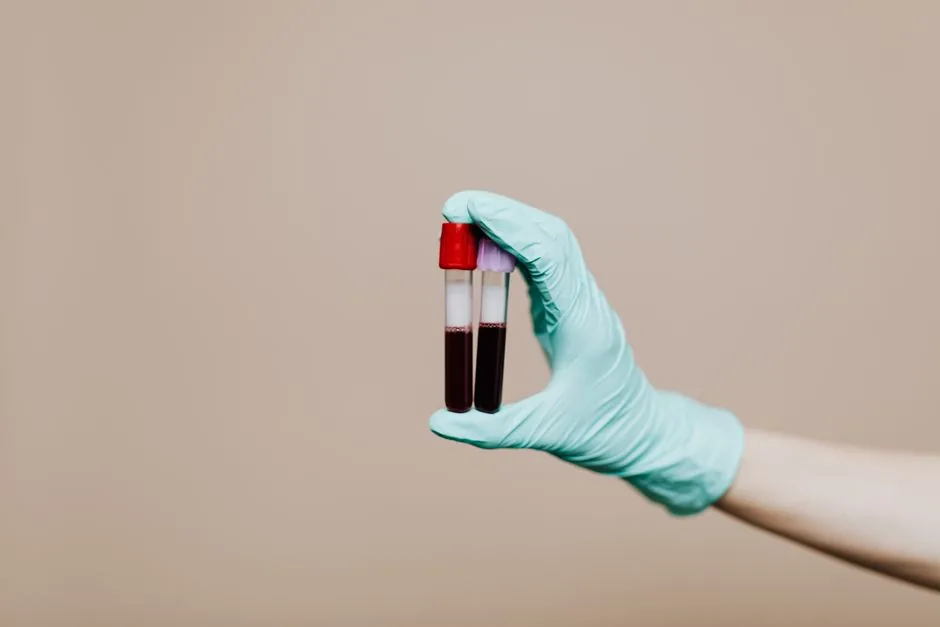
Some patients develop lowgrade haemolysis a breakdown of red blood cells caused by the valves mechanical edges. This can cause unexplained fatigue and a slight rise in bilirubin. A recent study on postoperative fatigue highlights how careful monitoring of blood labs can catch this early.
LongTerm Complications After Aortic Valve Replacement
Even though you had a mitral valve procedure, it helps to be aware of issues that show up after aortic valve surgery such as prosthetic valve endocarditis or structural deterioration. Knowing the broader picture keeps you vigilant without feeding anxiety.
Managing Fatigue
Why Fatigue Lingers
Six months after open heart surgery, the heart is still learning to pump efficiently under the new valve dynamics. Add to that postoperative anemia, the lingering effect of pain meds, and a reduced muscle mass from weeks of limited activity its a perfect storm for fatigue.
Practical Strategies
- Sleep hygiene: Keep a regular bedtime, dark room, and limit caffeine after 2pm.
- Paced rehab: Follow the 10minute rule work for 10minutes, rest for 5, then repeat.
- Hydration: Aim for 23L of water daily, unless your doctor advises fluid restriction.
- Nutrition: Focus on ironrich foods (lean red meat, spinach) and VitaminC to boost absorption.
Foods to Avoid After Heart Valve Replacement
While you dont have to go on a diet, certain foods can make anticoagulation tricky or increase inflammation:
- Highsalt processed foods (they raise blood pressure).
- Raw leafy greens in excess if youre on warfarin theyre vitaminK heavy.
- Excessive alcohol it can interfere with blood thinners.
- Very fatty cuts of meat they may raise cholesterol and strain the new valve.
Lifestyle Tips
Safe Exercise Types
Walking, swimming, and stationary cycling are cardiofriendly and lowimpact. Light resistance bands can safely rebuild muscle strength. Aim for 150 minutes of moderate activity per week, but always listen to your body if youre gasping, ease up.
Nutrition for Valve Health
Omega3 fatty acids (found in salmon, walnuts, flaxseeds) support vascular health. A diet rich in fresh fruits, vegetables, whole grains, and lean protein helps keep inflammation low and blood pressure steady.
Alcohol, Caffeine, & Salt
One to two drinks a week is generally safe, but daily heavy consumption can destabilize anticoagulation. Caffeine isnt a dealbreaker, yet large amounts may trigger palpitations in sensitive folks. Keep sodium under 2,300mg per day; think of it as seasoning, not seasoningoverload.
FollowUp Tests & Imaging
SixMonth Echocardiogram
The echo shows how well the new mitral valve is opening and closing, checks for any leaks, and measures the pressure gradient across the valve. A normal result should read a mean gradient <5mmHg and minimal regurgitation.
Lab Work Essentials
Typical labs include:
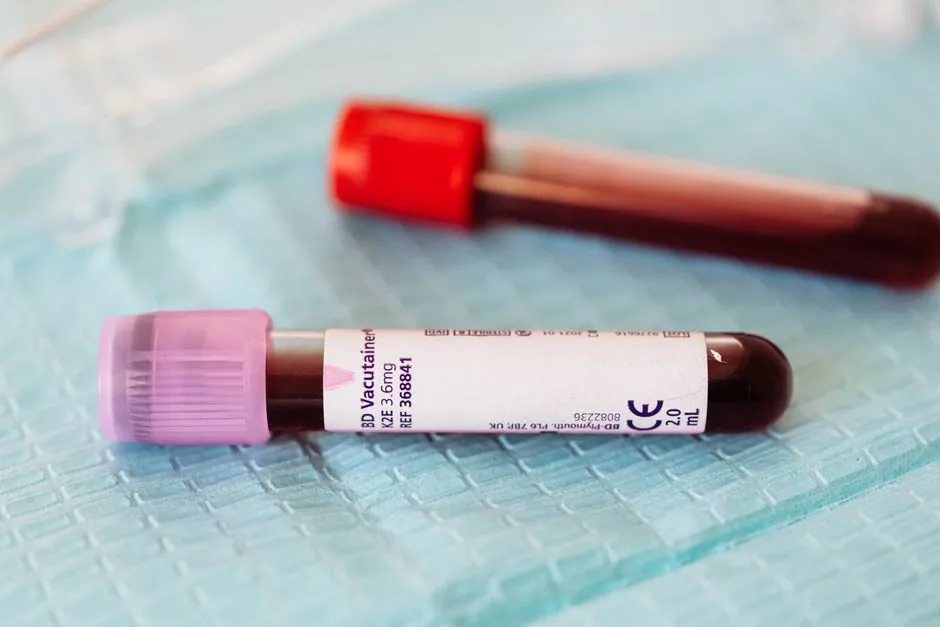
- Complete Blood Count (CBC) looks for anemia or infection.
- BNP or NTproBNP markers of heart strain.
- Coagulation profile (INR for warfarin patients).
- Iron studies to address any hidden iron deficiency causing fatigue.
Medication Adjustments
If your INR drifts outside the therapeutic range (2.03.0 for most mechanical valves), your doctor will tweak the warfarin dose. Newer DOACs have less monitoring but still require periodic kidney function checks. Trust your cardiologists guidance and never selfadjust.
Emotional & Psychological WellBeing
Why Mood Swings Happen
Postsurgical recovery isnt just physical. Hormonal shifts, medication sideeffects, and the stress of being different can stir anxiety or mild depression. Its completely normal to feel a mix of relief and fear at this stage.
Coping Resources
Joining a valvereplacement support group, whether inperson or online, can give you a safe space to share worries. Many cardiac rehab programs now embed mentalhealth modules consider asking your rehab therapist about them.
RealWorld Anecdote
Jane, a 58yearold teacher, told me she felt like a zombie at the sixmonth mark. After a thorough blood test revealed low iron, her doctor added an iron supplement and adjusted her diet. Within three weeks, her energy returned, and she was back to grading papers without a nap in sight. Stories like Janes underline how tiny tweaks can make a huge difference.
Quick Answers to Common Questions
Can I Travel by Air?
Yes, most patients can fly after six months, provided their INR is stable and they carry a medication list. Stay hydrated, move your legs every hour, and consider a compression sock if youre prone to swelling.
When Am I Cleared to Drive?
If youre not experiencing dizziness, vision changes, or severe fatigue, most doctors give the green light around the 8week mark. At six months, youre typically safe, but always doublecheck with your cardiologist.
How Does Recovery Differ From Aortic Valve Replacement?
Both surgeries share similar timelines, but aorticvalve patients may notice shortness of breath 6 months after aortic valve replacement more often because the aortic valve faces higher pressures. Mitralvalve patients often report more fatigue 6 months after open heart surgery because the left atrium (which the mitral valve connects) is a larger reservoir for blood.
What If My Ankles Swell?
Sudden swelling can be an early sign of fluid overload a red flag for heart failure. Keep a daily weight log, and if you gain more than 2kg in three days, call your heart team.
Conclusion
Reaching six months after a mitral valve replacement is a milestone worth celebrating. Most people feel stronger, but the journey isnt always a straight line. Keep an eye on energy levels, watch for any shortness of breath or chest pain, and stay diligent with followup labs and imaging. A balanced diet, gentle exercise, and a supportive community will help you turn this middle point into a launchpad for a healthier, more active life.
If you have questions, concerns, or a story to share, feel free to reach out. Together we can navigate the ups and downs, and make sure that the next six monthsand beyondare as smooth as possible.