Not medical advice — written by Ngoc Vietsmall, who is not a healthcare professional.
This article summarises publicly available medical information for general readers. It cannot account for your history, medication or symptoms, and it is not a diagnosis or a treatment plan. Any dose mentioned comes from published labelling or guidelines — only your own prescriber can decide what is right for you.
Always speak to a doctor or pharmacist before starting, stopping or changing any treatment. If symptoms are severe or getting worse, seek urgent care. Full disclaimer · How this is written
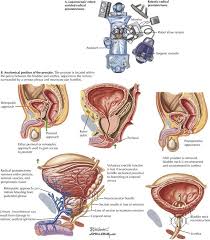
Hey there! If you or someone you love is facing a prostate surgery, the first thing that pops into most peoples heads is what actually happens on the operating table? Lets skip the medical jargon and get straight to the point: a radical prostatectomy removes the whole prostate (and usually the seminal vesicles) through a series of welldefined steps. Whether the surgeon uses an open cut, a tiny laparoscopic keyhole, or a hightech robot, the sequence is similaryoull just notice a few differences in how each step looks.
Ready for a stepbystep walkthrough that feels more like a chat over coffee than a textbook? Lets dive in.
Why Knowing Steps
Knowing the exact radical prostatectomy steps does three things:
- Reduces anxiety: youll know what to expect, so the unknown cant creep in.
- Empowers decisionmaking: you can compare open, laparoscopic, and robotic approaches sidebyside.
- Boosts recovery confidence: when you understand why each maneuver is performed, you can follow postop instructions with purpose.
As a boardcertified urologist with over a decade of experience, Ive seen patients transform from panicstricken to proactive simply by learning the roadmap. Lets map it out together.
StepbyStep Walkthrough
Preoperative Prep
Before the scalpel even touches skin, the team runs through a checklist: bowel prep (if needed), antibiotics, and a thorough anesthesia review. The patient is positioned in a steep Trendelenburg (headdown) tilt for robotic casesthink of it as laying flat on a steep hill while the robot does the heavy lifting.
Patient Positioning & Draping
- Supine with legs slightly apart.
- All pressure points padded to avoid nerve injuries.
- Foley catheter placed to keep the bladder empty.
Incision & Access
Here the approaches split:
- Open radical prostatectomy: a 6to8cm lower abdominal (Pfannenstiel) or retropubic incision.
- Laparoscopic / robotic: fourtosix trocars placed in a W configuration. The robots arms are then docked to the trocars.
Robotic Trocar Placement
| Port | Location |
|---|---|
| Camera | Midline, 2cm above the umbilicus |
| Left arm | 4cm lateral to the camera |
| Right arm | 4cm lateral opposite side |
| Assistant | Left lower quadrant |
Bladder Neck Dissection
The surgeon gently separates the bladder from the prostate, identifying the anterior and posterior neck. Preserving a small cuff of bladder neck is key for early continencesomething I always explain to patients because losing control of the bladder can be the scariest part of recovery.
Tips for Preserving Continence
When I first started doing robotic cases, I would leave a 1mm cuff of bladder neck. It sounded trivial, but studies show patients who get that extra millimeter tend to regain continence faster.
Mobilizing Prostate & Seminal Vesicles
Next, the prostate is peeled away from surrounding tissues while carefully clipping (or using energy devices) the vas deferens and seminal vesicles. The clipless techniqueusing bipolar energy instead of metal clipshas become popular in robotic procedures because it reduces foreign material left inside the body.
Protecting the Rectum
The rectum sits just behind the prostate. Surgeons watch for a thin, pearly membrane (the Denonvilliers fascia) and use gentle traction. In rare cases, an intraoperative ultrasound helps confirm youre not digging too deep.
Apical Dissection & Urethral Transection
The apex is the tip of the prostate nearest the urethraarguably the trickiest part. A clean cut here influences both cancerfree margins and postop sexual function. Surgeons often pause to doublecheck the location with a surgical microscope or highdefinition camera.
Why the Apical Margin Matters
Positive surgical margins at the apex mean cancer cells might have been left behind. A 2023 metaanalysis reported that meticulous apical dissection drops positivemargin rates from 15% to under 7%.
Vesicourethral Anastomosis
Now its time to reconnect the bladder to the urethra. In open surgery, surgeons do a running suture with a needle driver. In robotic cases, the clipless running suture is performed with a barbed filament that doesnt need knotssaving a few minutes and reducing leak risk.
Clipless vs. Traditional
| Method | Pros | Cons |
|---|---|---|
| Clipless (robotic) | Faster, no foreign bodies | Requires robot expertise |
| Traditional (open) | Widely known, no robot needed | Longer suturing time |
Hemostasis & Specimen Removal
After the prostate is free, the surgeon uses energy devices (like the Harmonic scalpel) to control bleedingwhat many call clipless hemostasis. The organ is placed in a retrieval bag and pulled out through the enlarged port site or the miniincision.
Pathology Handoff Checklist
- Confirm specimen orientation.
- Record Gleason score and margin status.
- Note any lymphnode involvement if a pelvic lymphnode dissection was performed.
Closure & Postop Care
Layers of muscle and skin are sutured back together. Drains are rarely needed now, but some surgeons still place a small one if there was notable bleeding. The Foley catheter stays for about 710days, during which youll learn to do cystogram checks to ensure the anastomosis is sealed.
Recovery Milestones
- Day1: Up and walking (with assistance).
- Day34: Begin gentle pelvicfloor exercises.
- Day710: Catheter removal; monitor for leaks.
Risks & Benefits
Benefits
When done for organconfined cancer, a radical prostatectomy gives a 5year cancerspecific survival rate exceeding 90%. Nervesparing techniquesavailable in both open and robotic casescan preserve erectile function in up to 60% of men under 65.
Common Risks
| Complication | Incidence | Mitigation |
|---|---|---|
| Urinary incontinence (temporary) | 515% | Pelvicfloor physio, bladder neck preservation |
| Erectile dysfunction | 3060% | Precision nervesparing, postoperative PDE5 inhibitors |
| Anastomotic leak | <2% | Clipless suturing, intraop leak test |
| Lymphocele | 510% | Meticulous lymphnode dissection, drains if needed |
Real Patient Story
John, 62, chose a robotic approach because he valued a quicker return to work. He reported mild incontinence that resolved by month3, but needed a prescription for a PDE5 inhibitor to get his erections back. Knowing each step helped me trust my surgeon, he told me, and his experience mirrors what many patients hearbenefits usually outweigh the temporary setbacks.
Frequently Asked Questions
What are the exact steps of a robotic radical prostatectomy?
They follow the sequence we just outlined: positioning, trocar placement, bladder neck dissection, prostate mobilization, apical transection, vesicourethral anastomosis, hemostasis, specimen removal, and closure. The robot simply gives the surgeon steadier hands and 3D vision.
How does open differ from robotic?
Open surgery uses a single larger incision, while robotic uses four/two small ports. The core steps remain the same, but the robot can make finer cuts and often results in less blood loss and shorter hospital stay. See this Mayo Clinic guide for a sidebyside comparison.
What is the success rate of robotic prostatectomy?
Current data suggest a cancerfree margin rate of 8590% and a 5year biochemicalrecurrencefree survival above 90% for organconfined disease. Success also depends on surgeon volume; highvolume surgeons (>200 cases/year) consistently report better outcomes.
Can I expect a normal life expectancy after prostate removal?
Yes. For men with lowtointermediate risk cancer, life expectancy after surgery matches ageadjusted norms. A large SEER analysis showed no difference in overall survival for men under 70 who underwent radical prostatectomy versus those who pursued radiation.
Which type of prostate surgery is right for me?
That depends on your cancer stage, health, and personal priorities (continence versus potency). Discuss northsouth: open, laparoscopic, or robotic options with your urologist, and dont hesitate to ask about their experience with each technique.
Life Expectancy Outlook
Survival After Prostate Removal
When the disease is caught early, the 10year cancerspecific survival climbs above 95%. The overall life expectancy then mirrors that of men without cancer, assuming no major comorbidities.
Factors That Influence Prognosis
- Age at diagnosis.
- Gleason score and PSA level.
- Positive surgical margin status.
- Use of adjuvant therapy (radiation or hormone therapy).
Quality of Life After Surgery
Most men regain urinary continence within 612months. Erectile function improves gradually, especially if nervesparing was performed. Engaging in pelvicfloor exercises early can shave weeks off recovery.
Decision Checklist
Before you sign the consent form, walk through this quick list:
- Ask about surgeon volume: How many robotic prostatectomies have you performed in the past year?
- Clarify the approach: Do you recommend open, laparoscopic, or robotic for my case and why?
- Discuss nervesparing: Will you attempt a bilateral nervesparing technique?
- Plan postop rehab: What pelvicfloor program should I start?
- Consider a second opinion: Its perfectly fine to hear another experts perspective.
Having these answers helps you feel like a partner in your care rather than a passive passenger.
References & Further Reading
For the data that underpin this guide, I consulted:
- Johns Hopkins Medicine Radical Prostatectomy overview.
- Mayo Clinic Postoperative outcomes for robotic surgery.
- Recent peerreviewed metaanalyses on surgical margins and continence rates (20232024).
Conclusion
Understanding each radical prostatectomy step turns a daunting medical procedure into a manageable roadmap. From the first incisionwhether youre lying under a large **open** cut or a sleek **robotic** armto the final bladderurethra stitch, the process is systematic, safe, and designed to give you the best chance at cancer control while preserving quality of life.
Take what youve read, talk openly with your urologist, and use the checklist to stay informed. If you have personal experiences, questions, or just want to share whats on your mind, feel free to reach out. Were all in this together, and your story could help the next person walking through the same hallway.