Not medical advice — written by Ngoc Vietsmall, who is not a healthcare professional.
This article summarises publicly available medical information for general readers. It cannot account for your history, medication or symptoms, and it is not a diagnosis or a treatment plan. Any dose mentioned comes from published labelling or guidelines — only your own prescriber can decide what is right for you.
Always speak to a doctor or pharmacist before starting, stopping or changing any treatment. If symptoms are severe or getting worse, seek urgent care. Full disclaimer · How this is written
Are you or a loved one dealing with both Alzheimer’s and vascular‑type changes in the brain? That combo is called mixed dementia, and it can feel like trying to solve two puzzles at once.
In the next few minutes we’ll break down the symptoms, how doctors confirm the diagnosis, what the stages look like, and even give you tools to estimate life‑expectancy—so you can plan with confidence.
What Is Mixed Dementia?
Definition & Prevalence
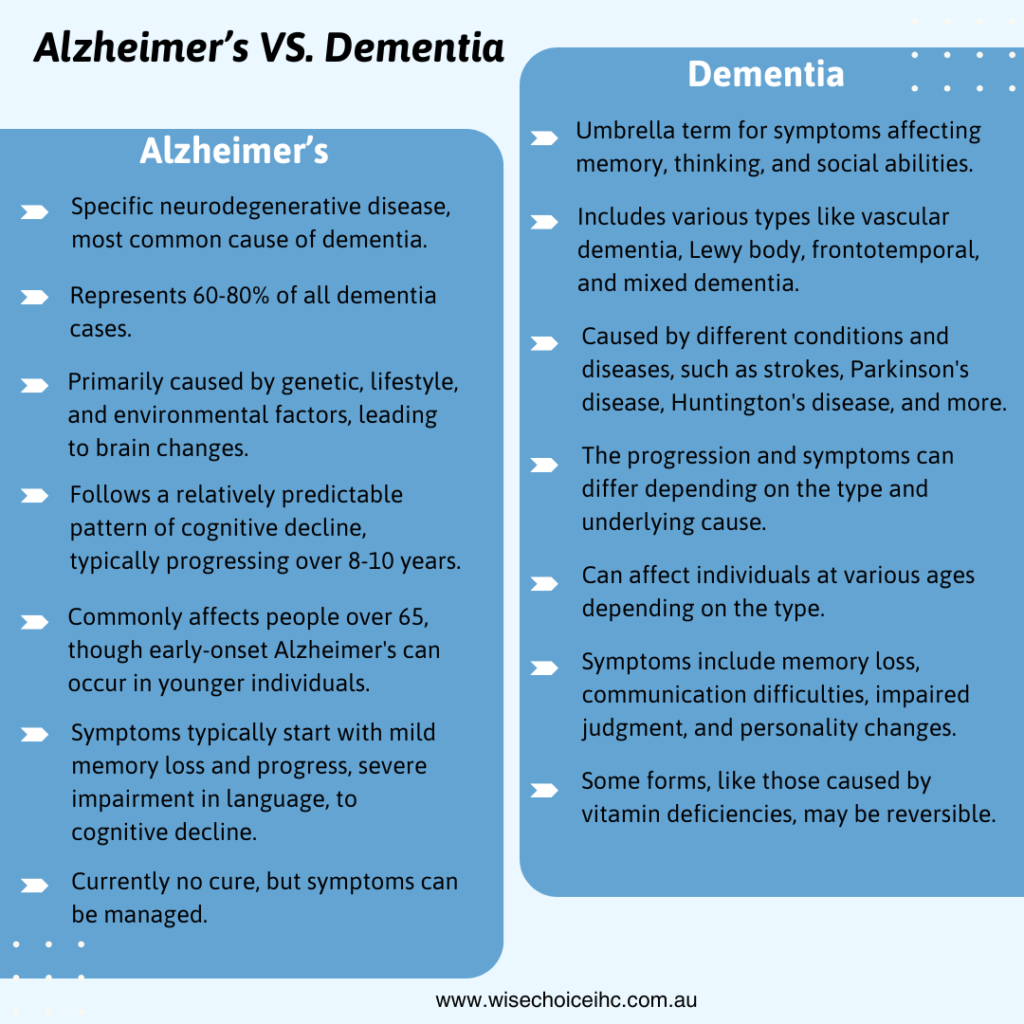
Mixed dementia is when two or more types of dementia—most commonly Alzheimer’s disease and vascular dementia—are present together. Roughly one in ten people living with dementia have this mixed picture, according to the Alzheimer’s Society. The brain shows the classic amyloid plaques of Alzheimer’s alongside small strokes or vascular lesions.
Most Common Combo
When you hear “mixed dementia,” think Alzheimer’s + vascular. Memory loss from Alzheimer’s pairs with the “step‑wise” declines, gait changes, or urinary problems that come from vascular damage. Below is a quick comparison:
| Feature | Alzheimer’s Only | Mixed (Alzheimer’s + Vascular) |
|---|---|---|
| Memory loss | Gradual, early | Gradual + sudden dips |
| Thinking/Planning | Slow decline | Sharp drops after minor strokes |
| Physical signs | Rare early on | Balance issues, gait changes |
Why It Matters
Knowing you have mixed dementia changes the game. Treatment can target both the amyloid buildup and the vascular risk factors, and it gives a clearer picture of life‑expectancy and care needs. Ignoring the mix might mean missing out on blood‑pressure control that could slow the overall decline.
Confirming Mixed Dementia
Clinical Assessment
Doctors start with a detailed history and cognitive tests. Patterns that show both memory loss and sudden drops in executive function often raise a flag for mixed dementia.
Imaging & Biomarkers
Brain MRI or CT scans reveal tiny strokes, white‑matter changes, or microbleeds—hallmarks of vascular damage. Meanwhile, PET scans or cerebrospinal‑fluid analysis can detect amyloid and tau proteins typical of Alzheimer’s. A recent PubMed review confirms that combining imaging with biomarkers boosts diagnostic confidence.
Post‑Mortem Confirmation
In the rare case where absolute certainty is needed, an autopsy can definitively show both pathologies. Most families never need this level of proof, but it’s why the term “mixed” exists in medical literature.
Common Pitfalls
Because the symptoms overlap, many clinicians initially label a patient with “Alzheimer’s alone.” Studies suggest up to 30 % of those diagnoses later turn out to be mixed, especially when vascular risk factors were overlooked.
Quick Checklist for Families
- Ask your doctor about MRI or CT findings.
- Inquire whether amyloid or tau testing was considered.
- Confirm if vascular risk factors (high BP, cholesterol) are being managed.
Symptoms & Stages
Typical Symptom Mix
Mixed Alzheimer’s and vascular dementia symptoms blend the two worlds. You might notice:
- Memory lapses that feel “usual” for Alzheimer’s.
- Sudden difficulty finding words after a minor stroke.
- Balance problems or a shuffling gait that weren’t there before.
- Episodes of confusion that come and go, rather than a steady decline.
The 7 Stages Explained
While every person’s journey is unique, many clinicians break down mixed dementia into seven recognizable stages. The progression mirrors Alzheimer’s but with a few vascular twists.
| Stage | What It Looks Like | Key Differences in Mixed Dementia |
|---|---|---|
| 1 – Early | Forgetfulness, minor word‑finding trouble. | Occasional “step‑wise” lapses after a small stroke. |
| 2 – Mild | Difficulty with complex tasks, misplacing items. | Gait may start to feel unsteady. |
| 3 – Moderate | Need help with finances, repeating questions. | Fluctuating attention, possible urinary urgency. |
| 4 – Mid‑Advanced | Wandering, trouble recognizing close friends. | Balance issues become more pronounced. |
| 5 – Advanced | Severe memory loss, limited speech. | Frequent falls, possible stroke‑related complications. |
| 6 – Late | Full‑time care required, loss of motor skills. | Higher risk of infections, pressure sores. |
| 7 – Final | Minimal responsiveness, dependence on all care. | Combined effects of neurodegeneration and vascular damage accelerate decline. |
Real‑World Example
John, 78, was diagnosed with Alzheimer’s two years ago. Six months later, a minor stroke left him stumbling and forgetting how to button his shirt. His neurologist updated his diagnosis to “mixed Alzheimer’s and vascular dementia,” which opened the door to blood‑pressure medication that slowed his further declines.
Final Stages of Mixed Dementia
In the final stages, the brain’s dual damage leaves the person largely non‑communicative, bedridden, and highly susceptible to infections. Palliative care becomes essential, focusing on comfort rather than cure.
Life‑Expectancy Tools
Using a Mixed Dementia Life‑Expectancy Calculator
Several reputable sites now offer calculators that ask for age, gender, vascular burden, and co‑existing health conditions. By entering these details, you get a rough range—usually spanning 3‑10 years, depending on how well risk factors are controlled. One such tool, hosted by the Dementia UK website, lets you tweak variables to see how blood‑pressure management or smoking cessation might extend that window.
Average Life‑Expectancy Ranges
Research summarized in a recent meta‑analysis shows that mixed Alzheimer’s and vascular dementia life expectancy is typically 1‑3 years shorter than pure Alzheimer’s, especially when vascular disease is uncontrolled. However, aggressive management of hypertension, cholesterol, and diabetes can narrow that gap.
Factors That Influence Survival
- Age at diagnosis – younger patients tend to live longer.
- Blood‑pressure control – each 10 mmHg drop in systolic pressure can add months.
- Physical activity – regular walking improves cerebral blood flow.
- Social engagement – staying connected reduces behavioral decline.
Practical Steps for Caregivers
Beyond numbers, planning is about quality of life. Here’s a quick checklist you can print:
- Set up an advance‑care directive.
- Identify financial resources (e.g., Medicaid, veteran benefits).
- Join a local support group—talking with others who “get it” can be a lifeline.
- Schedule routine check‑ups for blood‑pressure and cholesterol.
Managing Treatment Options
Pharmacologic Approaches
Cholinesterase inhibitors (donepezil, rivastigmine) help the Alzheimer’s side, while antiplatelet agents and statins target the vascular component. Your doctor will weigh benefits against side‑effects—polypharmacy is a real concern in older adults.
Non‑Pharmacologic Strategies
Exercise, especially aerobic activities like brisk walking, can improve both memory and blood flow. Cognitive‑rehab programs that blend memory drills with executive‑function tasks (e.g., planning a simple grocery list) work well for mixed pathology.
Emerging Research & Clinical Trials
There’s growing interest in drugs that address both amyloid and vascular inflammation. A handful of trials listed on clinicaltrials.gov are exploring combined approaches, though most are still early‑stage.
Balancing Risks & Benefits
It’s tempting to “do everything,” but remember that every medication carries a risk. Keep a medication list, review it with your pharmacist every few months, and ask your doctor whether a drug’s benefit truly outweighs its side‑effects for your specific situation.
Key Questions Answered
Which is more common: mixed dementia or Alzheimer’s alone?
Pure Alzheimer’s remains the most frequent single diagnosis, but mixed dementia accounts for about 10 % of all dementia cases, making it a significant minority that deserves attention.
What are the 7 stages of mixed dementia?
See the table in the “Symptoms & Stages” section for a concise breakdown of each stage, from early mild forgetfulness to the final, fully dependent stage.
What is an example of mixed dementia?
John’s story above illustrates a classic case: progressive memory loss combined with a later‑onset vascular event that introduced gait problems and sudden cognitive dips.
How is mixed dementia confirmed?
Through a combination of detailed clinical assessment, brain imaging that shows vascular lesions, and biomarker testing for amyloid or tau proteins.
What are the final stages of mixed dementia?
In the final stages, individuals become mostly non‑responsive, require full‑time nursing care, and are highly vulnerable to infections and pressure injuries.
Resources & Support
Finding reliable information and community can make the journey less lonely. Here are a few trusted places to start:
- Alzheimer’s Society (UK) – guides, helplines, and local support groups.
- Alzheimer’s Association (US) – extensive research updates and caregiver resources.
- NHS Dementia Page – practical advice on diagnosis and everyday care.
- Dementia UK – life‑expectancy calculator and volunteer support.
When you notice new symptoms, or when the current plan feels overwhelming, don’t hesitate to reach out to a neurologist, a geriatrician, or a local dementia adviser. Early conversation can open doors to therapies you might not have known existed.
Conclusion
Mixed dementia blends the memory‑loss hallmark of Alzheimer’s with the sudden, step‑wise challenges of vascular disease, creating a unique set of symptoms, stages, and care needs. By understanding how mixed dementia is confirmed—through clinical checks, imaging, and biomarkers—you can advocate for a treatment plan that tackles both sides of the equation. Life‑expectancy tools give a realistic outlook, while targeted medication, lifestyle changes, and strong support networks can improve quality of life. If you or someone you love is navigating this dual diagnosis, reach out to a specialist, use the calculators to plan ahead, and lean on trusted resources. Knowledge is the first step toward a safer, kinder future.