Not medical advice — written by Ngoc Vietsmall, who is not a healthcare professional.
This article summarises publicly available medical information for general readers. It cannot account for your history, medication or symptoms, and it is not a diagnosis or a treatment plan. Any dose mentioned comes from published labelling or guidelines — only your own prescriber can decide what is right for you.
Always speak to a doctor or pharmacist before starting, stopping or changing any treatment. If symptoms are severe or getting worse, seek urgent care. Full disclaimer · How this is written
Imagine sitting down for a meal and feeling the dreaded fulluptooquick sensation, nausea creeping in, and your bloodsugar wobbling like a roller coaster. If youve been wrestling with those feelings, the fastest way to get relief is a solid plan that blends the right gastroparesis treatment stepsdiet tweaks, medication, and when necessary, procedures. Below youll find a friendly roadmap that explains every option, weighs the benefits against the risks, and shows how to start a plan that fits your everyday life.
Understanding the Problem
What is gastroparesis?
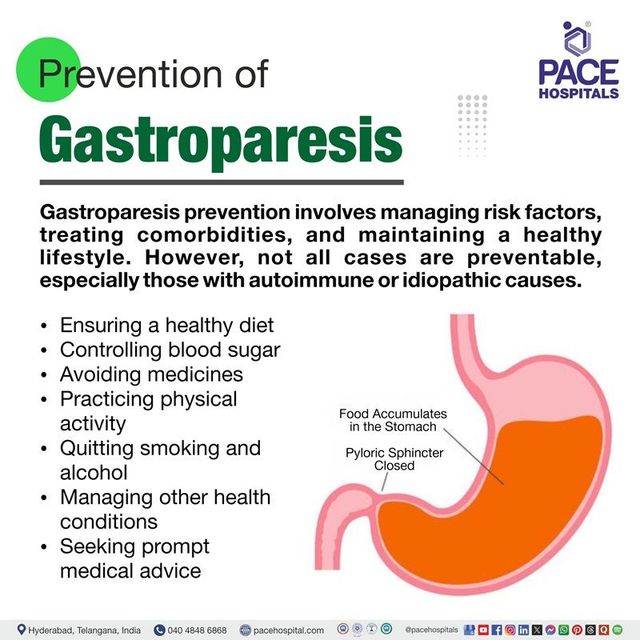
Gastroparesis, often called slow stomach, is a condition where the stomach muscles dont contract properly, so food stays in the stomach longer than it should. This can cause nausea, vomiting, early satiety (feeling full quickly), bloating, and unpredictable bloodglucose spikes, especially for people with diabetes.
Common symptoms that drive treatment decisions
The most frequent gastroparesis symptoms include:
- Frequent nausea or vomiting after meals
- Early satiety and loss of appetite
- Abdominal bloating or pain
- Fluctuating bloodsugar levels (particularly in diabetics)
When symptoms are mild, we usually start with diet and lifestyle changes. If theyre moderate to severe, medication or procedural options become part of the gastroparesis treatment plan.
Main causes & triggers
Understanding the root cause helps tailor therapy. The big players are:
- Diabetes high bloodsugar can damage the vagus nerve, which controls stomach motility.
- Postsurgical nerve injury especially after procedures on the stomach, esophagus, or pancreas.
- Medications certain painkillers, antidepressants, and anticholinergics can slow digestion.
- Idiopathic in many cases, doctors cant pinpoint a cause.
FirstLine Approaches
Diet modifications
A welldesigned gastroparesis diet is often the first weapon in your arsenal. Think small, frequent meals (56 per day) that are low in fat and fiber. Fat and highfiber foods take longer to break down, which can worsen stomach emptying.
Sample 1day meal plan
- Breakfast: Smooth oatmeal made with lowfat milk, a spoonful of applesauce, and a dash of cinnamon.
- Midmorning snack: A protein shake (plain or vanilla) mixed with almond milk.
- Lunch: Pureed chicken soup with carrots and a side of white rice.
- Afternoon snack: Greek yogurt (lowfat) with a drizzle of honey.
- Dinner: Baked white fish, mashed potatoes (no butter), and sauted zucchini.
- Evening snack: A banana or a small portion of gelatin dessert.
Keeping a food diarywhether on paper or an apphelps you spot trigger foods quickly.
Practical tips & tools
Try the chewmore rule: aim for 2030 chews per bite. It breaks food down slower, making it easier for the stomach to push it through. If youre on the go, liquid nutrition shakes (like Boost or Ensure) can be lifesavers on days when solid meals feel too heavy.
Lifestyle tweaks that support treatment
Beyond food, a few everyday habits can make a big difference:
- Bloodglucose control: For diabetic gastroparesis, steady glucose levels reduce nerve stress.
- Upright posture after meals: Sitting up for 3060 minutes helps gravity assist stomach emptying.
- Gentle movement: A short walk after eating can stimulate peristalsis without overexertion.
- Stress management: Anxiety can worsen nausea; try breathing exercises or short meditation sessions.
Medication basics
When diet alone doesnt calm the storm, doctors turn to gastroparesis medication. Below are the most common classes:
Prokinetics the motility boosters
- Metoclopramide: The only FDAapproved drug for gastroparesis. It speeds up stomach emptying but can cause drowsiness or, rarely, tardive dyskinesia with longterm use.
- Domperidone: Works similarly to metoclopramide but isnt FDAapproved in the U.S.; often obtained through compounding pharmacies.
- Erythromycin: An antibiotic that, at low doses, acts as a motilin receptor agonist to stimulate gastric contractions.
Antiemetics nauseakillers
- Ondansetron (Zofran) and promethazine (Phenergan) are frequently used when nausea is the dominant symptom.
Adjuncts for pain and discomfort
- Lowdose tricyclic antidepressants (e.g., amitriptyline) or gabapentin can help manage abdominal pain that isnt responsive to prokinetics.
How doctors choose a drug
They look at your symptom profile, any existing health issues (especially diabetes), and potential drug interactions. For example, metoclopramide is often firstline, but if you experience severe drowsiness, a clinician might switch to erythromycin or add an antiemetic.
Frequently asked questions
Can I take metoclopramide longterm? Typically, its prescribed for up to 12 weeks, after which the doctor reassesses benefits versus risks.
What if medication makes me sleepy? Adjusting the dose, timing (take it before bedtime), or adding a nonsedating antinausea drug can help.
Advanced Therapies
Gastric electrical stimulation (GES)
GES involves implanting a small device that sends mild electrical pulses to the stomach muscles, encouraging them to contract. Its usually reserved for patients whose symptoms persist despite optimal diet and medication.
Risks & insurance considerations
Potential complications include infection at the implant site and device malfunction. Insurance coverage varies, so a detailed discussion with your gastroenterology teamand possibly a medical codercan smooth the approval process.
Endoscopic & surgical options
When the pylorus (the stomachs exit valve) is the bottleneck, doctors may consider:
Pyloroplasty or pyloric dilation
A minimally invasive surgery that widens the pyloric opening, allowing food to pass more freely. Recovery typically takes 24 weeks, with most patients noticing symptom improvement within a month.
Gastric resection (rare)
Only for the most severe, refractory cases. It involves removing a portion of the stomach and is considered a lastditch effort because of its higher risk profile.
Decisionmaking flowchart (quick guide)
| Step | When to Move Forward |
|---|---|
| Persistent symptoms >3months despite meds | Refer to GI surgeon for evaluation |
| Severe nausea with weight loss | Consider GES or pyloroplasty |
| Failed surgical attempts | Discuss nutritional support (enteral/parenteral) |
Nutritional support when the stomach wont empty
For patients who cant meet their calorie needs orally, doctors may use:
- Enteral feeding: A tube placed into the jejunum (small intestine) bypasses the stomach. It can be temporary (nasojejunal) or permanent (jejunal feeding tube).
- Parenteral nutrition: Intravenous delivery of nutrients, used only when the gut cant be used at all.
Special Populations
Diabetic gastroparesis treatment
Bloodsugar swings are a doubleedged sword: high glucose damages nerves, and an emptying stomach makes insulin dosing unpredictable. A combined approach works best:
- Frequent glucose monitoring (continuous glucose monitors are a gamechanger).
- Matching insulin timing to smaller, lowglycemic meals.
- Choosing prokinetics that dont interfere with insulin actionmetoclopramide is often safe, but always confirm with your endocrinologist.
Pediatric & pregnant patients
Kids and expectant mothers need extra caution. Lowfat, lowfiber meals remain core, but medication choices are narrower. Metoclopramide can be used in pregnancy under close supervision, while erythromycin is generally avoided due to fetal risk.
How I cured my gastroparesis a realworld story
One friend, Alex, shared his journey:
- Diagnosis: After months of vomiting, a gastric emptying scan confirmed gastroparesis.
- Diet overhaul: He switched to six small meals a day, eliminated all fried foods, and used a nutrition shake for breakfast.
- Medication trial: Metoclopramide helped, but he felt drowsy. His doctor added ondansetron for nausea and tapered the metoclopramide after two months.
- Outcome: Within six months, Alexs weight stabilized, nausea faded, and he could enjoy a regular walk again.
Stories like Alexs illustrate that cure often means control enough to live fully.
Decision Toolkit
Pros & cons table (quickscan)
| Treatment | Benefit | Risk | Typical Duration | Best For |
|---|---|---|---|---|
| Diet changes | No sideeffects; empowers daily control | Requires discipline | Ongoing | All patients |
| Metoclopramide | Improves motility quickly | Tardive dyskinesia (rare), drowsiness | 412weeks (review) | Mildmoderate symptoms |
| GES | Reduces nausea in refractory cases | Surgery, infection, device issues | 612months to notice | Chronic refractory gastroparesis |
| Pyloroplasty | Fast symptom relief | Bleeding, infection, anesthesia risk | 24weeks recovery | Severe pyloric obstruction |
Questions to ask your gastroenterologist
- What improvement timeline should I expect?
- How will we monitor sideeffects?
- If this option fails, whats the next step?
- Are there clinical trials I could join?
Monitoring progress & when to adjust
Keep a simple log: record meals, symptom severity (010 scale), weight, and bloodglucose (if diabetic). Review it with your doctor every 23 months. If nausea stays above a 5 or youre losing weight, its time to reassess the plan.
Resources & Support
Reliable medical sites such as Mayo Clinic and the American Gastroparesis Foundation provide uptodate guidance and patient stories. Joining a support communityonline forums, local meetups, or Facebook groupscan give you practical tips and emotional backup.
Conclusion
Living with gastroparesis feels like navigating a maze, but with the right gastroparesis treatment roadmap you can turn many deadends into clear pathways. Start with diet tweaks, add medication when needed, and keep an eye on advanced options if symptoms persist. Balance the benefits and risks, stay in close contact with your care team, and remember youre not alonereal people have walked this road and found relief. If youre ready to take the first step, consider downloading a free symptom tracker, explore trusted resources, or schedule a conversation with a gastroenterologist who understands your unique story.