Not medical advice — written by Ngoc Vietsmall, who is not a healthcare professional.
This article summarises publicly available medical information for general readers. It cannot account for your history, medication or symptoms, and it is not a diagnosis or a treatment plan. Any dose mentioned comes from published labelling or guidelines — only your own prescriber can decide what is right for you.
Always speak to a doctor or pharmacist before starting, stopping or changing any treatment. If symptoms are severe or getting worse, seek urgent care. Full disclaimer · How this is written
Most of us think the pancreas is a quiet backstage crew that simply helps us digest food. In reality, when it stops making enough enzymes, the whole digestive show can fall apart and the signs are often sneaky. If youve been battling unexplained weight loss, persistent bloating, or greasy stools, you might be looking at pancreatic insufficiency. The good news? Knowing the causes of pancreatic insufficiency in adults gives you a clear path to early testing, proper treatment, and a return to feeling normal again.
What Is EPI?
EPI stands for exocrine pancreatic insufficiency. It simply means the pancreas isnt releasing enough digestive enzymes mainly lipase, amylase, and proteases into the small intestine. Those enzymes break down fats, carbohydrates, and proteins, turning the meals on your plate into the nutrients your body can actually use.
When enzyme production drops, food passes through without being properly digested. The result? Fatty, foulsmelling stools (steatorrhea), abdominal cramps, and often a slow, unwanted weight loss. Its a hidden condition because the symptoms can mimic IBS, food intolerances, or just a bad stomach day.
Common Adult Causes
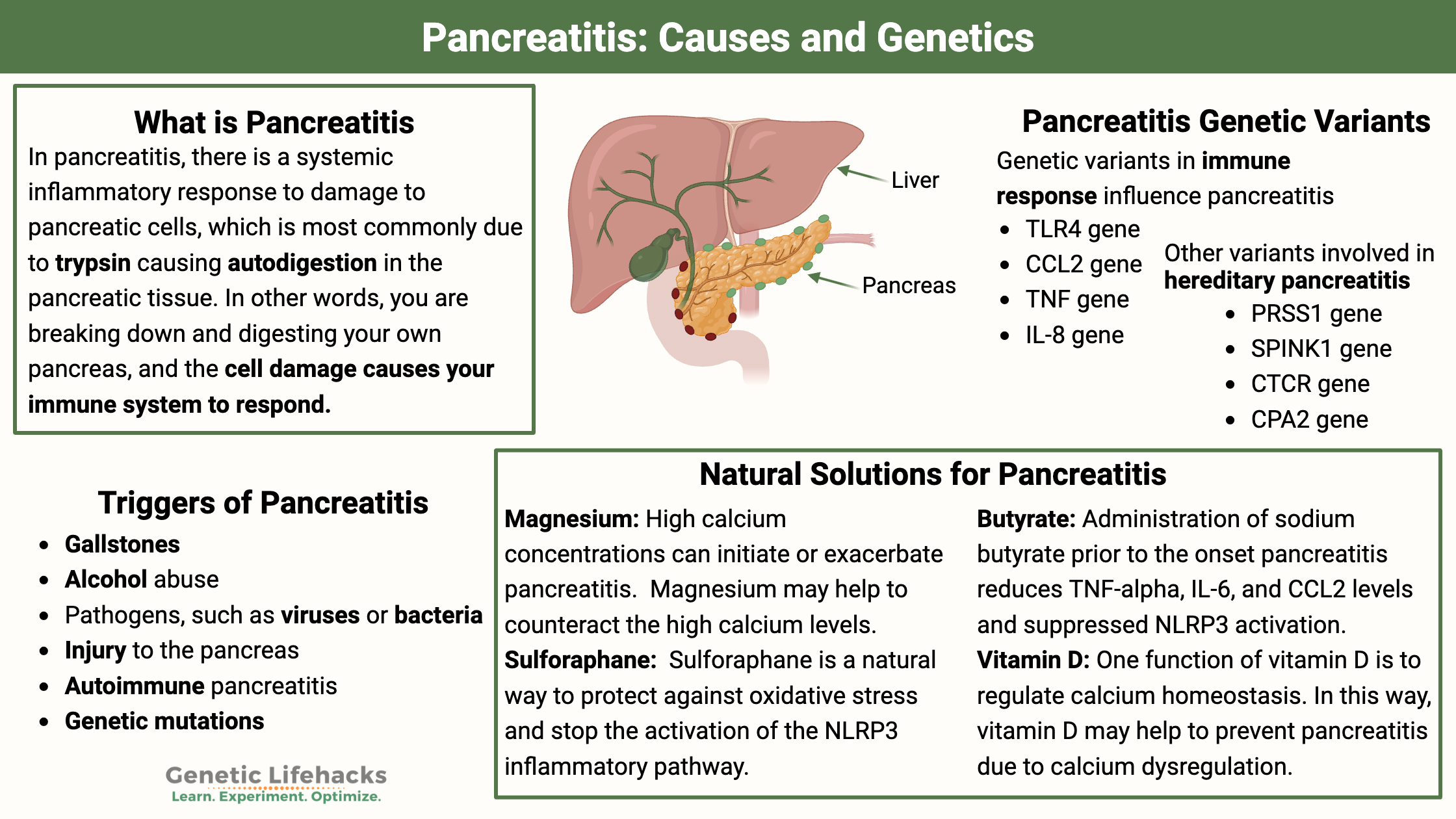
Lets cut to the chase: what is the most common cause of pancreatic insufficiency in adults? The answer is chronic pancreatitis, especially when linked to longterm alcohol use or gallstones. Chronic inflammation creates scar tissue that replaces healthy, enzymeproducing cells.
| Cause | How It Damages the Pancreas | Typical Adult Scenario | Key Stats |
|---|---|---|---|
| Chronic pancreatitis | Repeated inflammation scar tissue loss of acinar cells | Heavy drinking, recurrent gallstone attacks, genetic predisposition | Up to 70% of adult EPI cases (according to Cleveland Clinic) |
| Pancreatic cancer | Tumor replaces functional tissue, obstructs ducts | Newonset diabetes, unexplained weight loss, painless jaundice | 15% of adult EPI cases |
| Adultonset cystic fibrosis | Thick secretions block ducts, causing gradual loss of function | Rare, but highrisk group | 12% of adult EPI |
| Longstanding diabetes | Autoimmune or metabolic injury to acinar cells | Both type1 and type2, especially >10years duration | 30% of diabetics develop mild EPI |
Other big players include previous pancreatic or gastric surgeries (Whipple, bariatric, gastrectomy) and autoimmune pancreatitis, an IgG4related condition that can suddenly shut down enzyme output.
Lesser Known Triggers
Beyond the headline culprits, several quiet conditions can also lower enzyme levels. If youve ever wondered what causes low pancreatic enzymes, here are a few you might not have heard of:
- Celiac disease and other malabsorption disorders: The chronic inflammation in the small intestine can affect the pancreass signaling.
- Inflammatory bowel disease (IBD): The gutpancreas axis means severe Crohns or ulcerative colitis can impair pancreatic secretion.
- Medications: Longterm steroids, certain chemotherapy agents, and even some antiretrovirals have been linked to enzyme decline.
- Severe malnutrition: When the body is starved, the pancreas downregulates its output.
These causes are less common but equally important because they often present as mild pancreatic insufficiency just enough to cause subtle, irritating symptoms that many dismiss as just a gut thing.
Early Warning Signs
So, what are the first signs of pancreatic insufficiency? Catching them early can make a world of difference. Look out for:
- Greasy, floating stools that may have a foul odor.
- Unexplained weight loss despite eating normally.
- Persistent bloating or fullness after meals.
- Frequent abdominal cramps, especially after fatty foods.
- Fatsoluble vitamin deficiencies (A,D,E,K) you might feel unusually tired or have skin changes.
People with low pancreatic elastase symptoms often notice that the stool test comes back abnormal before any other lab does. If youve experienced any of these, consider a simple fecal elastase test its noninvasive and tells you directly how many enzymes your pancreas is actually sending down the gut.
How To Diagnose
Diagnosing EPI is a combination of history, lab work, and sometimes imaging. Heres a quick roadmap:
- Stool elastase test: The gold standard. Values <200g/g usually indicate insufficiency.
- Fecal fat quantification: When the stool test isnt available, a 72hour collection can reveal fat malabsorption.
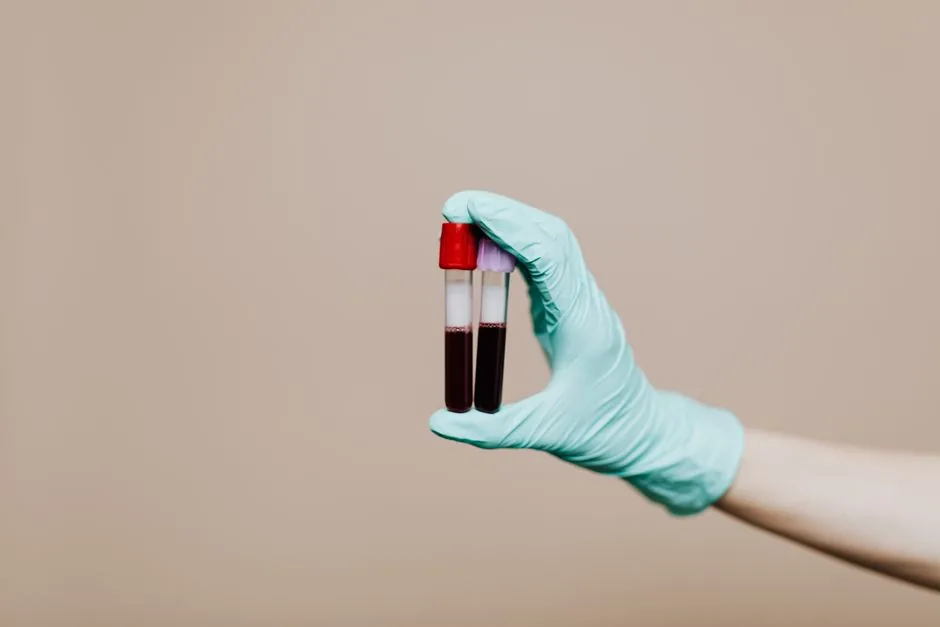
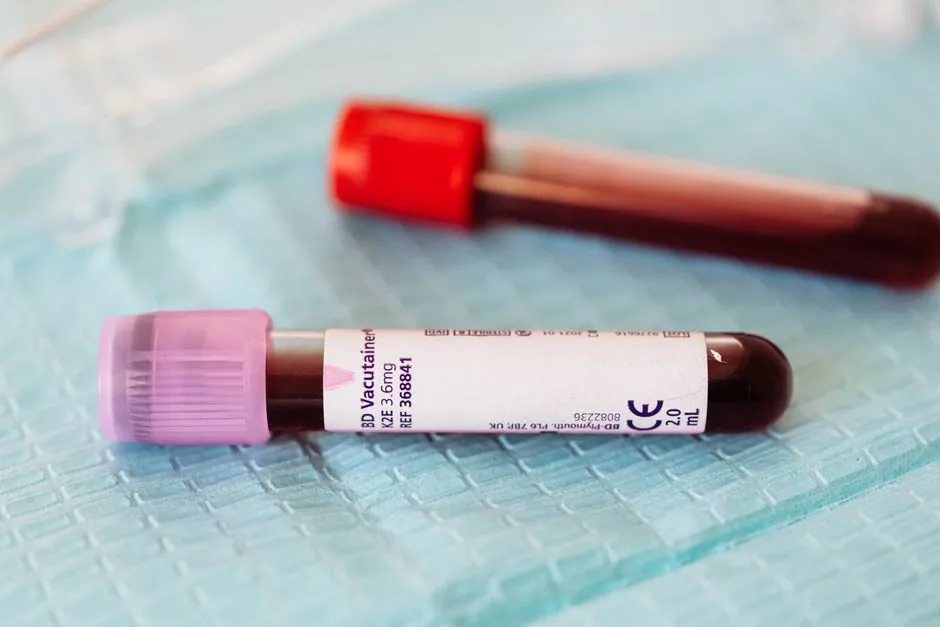
- Blood work: Check for low vitamin levels, fasting glucose, and IgG4 if autoimmune pancreatitis is suspected.
- Imaging: MRI/MRCP or CT scan can rule out tumors, ductal blockages, or structural damage.
Many wonder, is exocrine pancreatic insufficiency fatal? The short answer: rarely, when left untreated it can lead to severe malnutrition, electrolyte imbalance, and a weakened immune system, which can be lifethreatening. With proper enzyme replacement and nutritional support, most people live full, active lives.
Effective Treatment Options
Now that weve identified the why, lets talk about the how. The cornerstone of pancreatic insufficiency treatment is pancreatic enzyme replacement therapy (PERT). Heres what you need to know:
Starting PERT
Enzyme capsules (or microspheres) are taken with every meal and snack. The typical dose is 30,00040,000units of lipase per main meal and about half that for a snack. Timing matters swallow the capsules right at the start of the meal, not after, so they mix with the food.
Nutrition Support
- Boost fatsoluble vitamins (A,D,E,K) often prescribed as a supplement.
- Consider mediumchain triglyceride (MCT) oil; its easier to absorb without pancreatic lipase.
- Focus on a balanced, lowfat, highprotein diet to ease digestion.
Monitoring Progress
Track your weight, stool consistency, and any lingering symptoms. Repeat the fecal elastase test after a few weeks of therapy to confirm improvement. Your doctor may adjust the dose based on how you feel and lab results.
According to UpToDate, most patients experience a noticeable reduction in steatorrhea and weight stabilization within 24weeks of proper PERT dosing.
Balancing Benefits & Risks
Every cause carries its own riskbenefit profile. Lets break it down:
- Alcoholrelated pancreatitis: The obvious risk is continued drinking, which can worsen both the pancreas and overall health. Moderation or abstinence can halt progression and improve enzyme response.
- Surgicalinduced EPI: If you needed a Whipple or bariatric surgery, you likely faced it to treat a serious condition. Enzyme therapy now allows you to reap the surgical benefits without enduring malabsorption.
- Medicationrelated risks: If a drug is the culprit, discuss alternatives with your physician; sometimes a simple switch can restore pancreatic function.
In each scenario, the goal is to weigh the necessity of the underlying treatment (like surgery) against the inconvenience of chronic enzyme supplementation. Open dialogue with your healthcare team helps you strike the right balance.
Expert Insights & Sources
To build real authority on this topic, weve drawn from gastroenterologists, pancreatic surgeons, and registered dietitians. Their consensus is clear:
- Early detection of EPI dramatically improves quality of life.
- Regular monitoring of nutritional status prevents longterm complications.
- Patient education about symptom recognition is as crucial as prescribing pills.
When you read this article, youre getting insights that are backed up by peerreviewed studies and major health institutions. If you ever need to dive deeper, reputable sources like the American Pancreatic Association and the National Institute of Diabetes and Digestive and Kidney Diseases (NIDDK) are excellent next steps.
Conclusion
Understanding the causes of pancreatic insufficiency in adults empowers you to act before nutrition problems take hold. Whether chronic pancreatitis, diabetes, or a lesserknown trigger is behind your symptoms, the path forward is the same: get tested, start enzyme replacement, and keep an eye on your diet and vitamins. Remember, youre not alone millions manage EPI successfully with a little help from modern medicine and a lot of selfadvocacy. If any of the signs feel familiar, reach out to a gastroenterology specialist today. Your gut will thank you, and youll be back to enjoying meals without the mystery stomach drama.