Not medical advice — written by Ngoc Vietsmall, who is not a healthcare professional.
This article summarises publicly available medical information for general readers. It cannot account for your history, medication or symptoms, and it is not a diagnosis or a treatment plan. Any dose mentioned comes from published labelling or guidelines — only your own prescriber can decide what is right for you.
Always speak to a doctor or pharmacist before starting, stopping or changing any treatment. If symptoms are severe or getting worse, seek urgent care. Full disclaimer · How this is written
At first, I thought figuring out the right amount of Lopressor was just a numbers gametake a pill, feel better, and move on. Turns out, the dosage is the sweet spot where the drug calms your heart without stealing your energy. In short, the FDA prescribing information states a daily dose range of 100–450 mg for most adults, divided into one to three doses depending on the condition being treated. Achieving the right dose within that range can help maintain steady blood pressure and limit side effects such as a slow heartbeat or dizziness. However, the exact amount and schedule must be determined by the prescribing clinician.
Whether you are curious about a 25 mg tablet, adjustments for hypertension, or an IV dose in fast‑acting situations, this guide describes the standard dosing information found in the drug’s official labeling—no need to wade through endless medical jargon.
What Is Lopressor
Drug class and basic action
Lopressor is the brand name for metoprolol tartrate, ablocker that slows heart rate and reduces the force of each beat. By blocking adrenalines effect on receptors, it lowers blood pressure and eases the workload on your heart. This mechanismoften called lopressor actionmakes it a goto for hypertension, angina, and even some types of arrhythmias.
How it differs from other betablockers
Compared with extendedrelease versions like ToprolXL (metoprolol succinate), Lopressor works quickly but requires multiple daily doses. That is why the label describes dosing that divides the total daily amount across the day, and only the prescriber can decide the exact intervals for your situation.
Quick Comparison Table
| Feature | Lopressor (Tartrate) | ToprolXL (Succinate) |
|---|---|---|
| Release | Immediate | Extended |
| Typical dosing frequency | 13 times daily | Once daily |
| Common uses | Hypertension, acute MI, tachycardia | Chronic hypertension, heart failure |
Standard Oral Dosage
Starting dose for hypertension
According to the FDA prescribing information, a common starting point for high blood pressure is 100 mg once daily, or 50 mg twice daily for a more gradual initiation. Clinicians often begin at this level and monitor blood pressure and heart rate over the first week. The dose that is right for you can only be determined by your own prescriber.
How to titrate safely
The prescribing information describes a titration approach in which the dose may be increased in steps (for example, 25–50 mg per week) until an effective level is reached, typically between 200 mg and 400 mg per day. The recommended upper limit is 450 mg per day; above that, the label notes that added benefit has not been established and the risk of a very slow heart rate increases. Any changes to your dose must be made under your clinician’s supervision.
Dosing by age & kidney function
- For adults 65 and older, the label suggests considering a starting dose of 50 mg once daily.
- For those with renal impairment, a lower starting dose (e.g., 25 mg) and slower upward adjustments may be appropriate.
- Weightbased adjustments are not typical for metoprolol tartrate, but all personal factors should be discussed with your prescriber.
Lopressor for Other Uses
Acute myocardial infarction (heart attack)
In hospital settings, the label describes an IV bolus of 25 mg, followed by oral doses given at intervals (for example, 50 mg every 6 hours) to help blunt the sympathetic surge that can worsen heart damage. These are protocols for healthcare professionals to use; the route and schedule are always decided by the attending clinician.
Angina and chronic heart issues
The FDA‑approved labeling indicates a typical oral regimen starting at 50 mg at regular intervals (e.g., every 6 to 8 hours), with a maximum of 400 mg per day. This schedule is designed to keep the heart’s demand low and reduce chest‑pain episodes. Your prescriber will determine whether and how this applies to you.
IV dosing for tachycardia
When a rapid heart‑rate reduction is needed, the IV route may be used in a monitored setting. A common protocol described in cardiology references is an initial 5 mg IV dose over 2 minutes, with additional 5 mg doses repeated as needed, up to a total of 25 mg. This is always performed by healthcare professionals; it is not something a patient can direct on their own.
Route of administration
Lopressor can be taken orally (tablet) or administered intravenously in hospital settings. The oral route is the most common for chronic management, while IV is reserved for emergencies or when oral intake is not possible.
Common Tablet Strengths
Available dosages
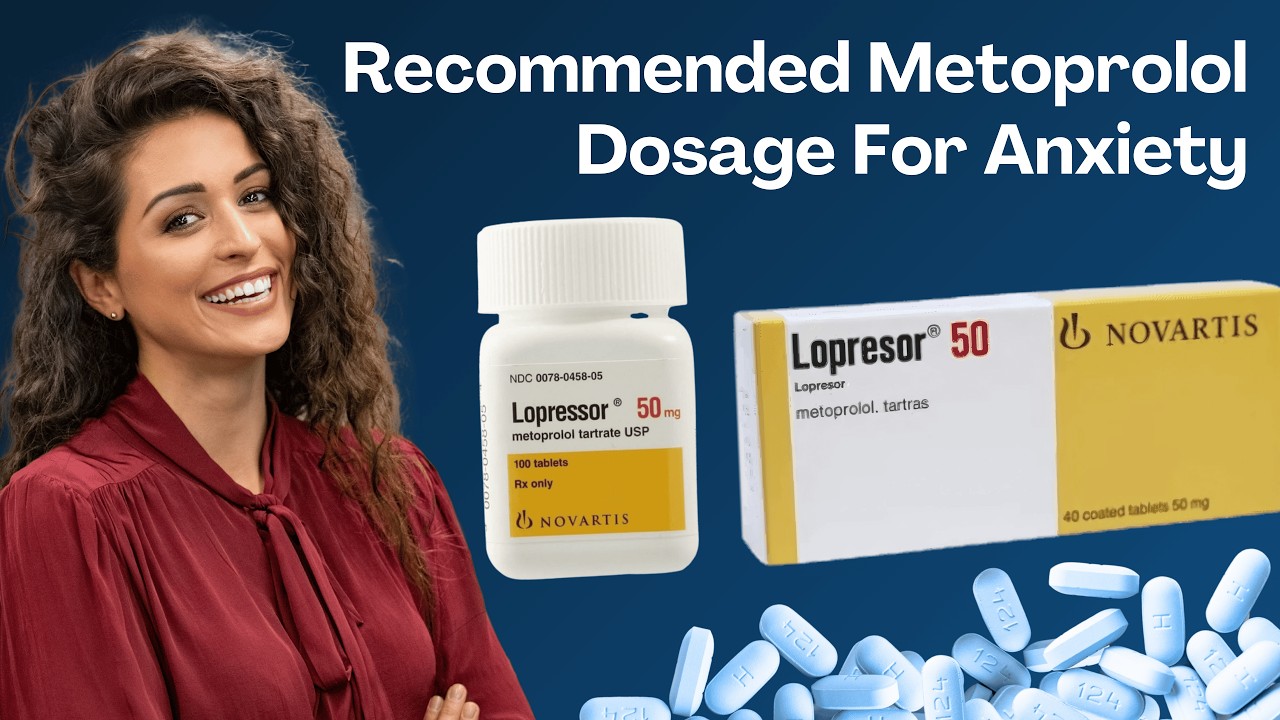
Tablets come in 25 mg, 50 mg, and 100 mg strengths. The 25 mg pill—sometimes called lopressor 25 mg—is often used for frail patients, the elderly, or those with reduced kidney function, as guided by the prescriber.
How to take them
The prescribing information advises taking each tablet with a full glass of water, preferably with food to lessen stomach upset, and it cautions against crushing or chewing the tablets because that can affect absorption. Follow the specific instructions given by your pharmacist or clinician.
Realworld anecdote
My neighbor, 78, started on 25mg twice daily after a mild kidney flare. Within a week his blood pressure dropped from 148/92 to 132/80, and he didnt feel the slowed down fatigue some of his friends reported.
Side Effects & Safety
Common sideeffects
Most people notice mild fatigue, cold hands or feet, or a slight dizziness when standing up quickly. These usually fade as your body adjusts.
When to call the doctor
Symptoms such as a heart rate below 40 beats per minute, blood pressure lower than 90/60 mmHg, or unusual shortness of breath should be evaluated by a clinician promptly—these can indicate that the dose may be too high for you. Do not delay seeking medical attention if you experience these signs.
Safety ceiling
The FDA prescribing information has not evaluated doses above 450 mg per day, which is why the label warns against exceeding that limit. Staying within the recommended range is intended to keep benefits above risks, but only your prescriber can decide the safe ceiling for your individual case.
Practical Dosing Tools
Printable dosing schedule
Download a simple PDF that lets you mark each dose, jot down bloodpressure readings, and track any sideeffects. Having a visual cue makes it easier to stay on track.
Interactive dosage calculator
An interactive tool can display the FDA‑approved dose ranges based on age, weight, and condition, purely for educational reference. It does not replace clinical judgment—any suggested starting point or titration plan must be confirmed and adjusted by your own healthcare provider.
Betablocker comparison chart
| Drug | Typical Daily Dose | Key Use |
|---|---|---|
| Lopressor (metoprolol tartrate) | 100400mg | Hypertension, acute MI, tachycardia |
| Atenolol | 50100mg | Hypertension, angina |
| Carvedilol | 12.550mg | Heart failure, hypertension |
Bottom Line Guidance
Decisiontree for dosing
- Start low. The label suggests a lower starting dose (e.g., 25–50 mg) for older adults, those with kidney issues, or people just beginning therapy.
- Monitor. Checking blood pressure and heart rate regularly (as your clinician advises) helps track how you respond.
- Titrate. The prescribing information describes upward adjustments in 25–50 mg steps at weekly intervals until a suitable effect is achieved.
- Stay ≤450 mg. That is the established upper limit in the label for safety and efficacy.
These steps are a general outline of the label’s approach—your actual dosing and titration must be managed by your prescriber, who will tailor them to your specific responses and overall health.
Shared decisionmaking
The best dose is the one you and your clinician agree on after weighing the benefits (lower blood pressure, fewer heartattack risks) against possible downsides (fatigue, slow heart rate). Dont be shy about discussing how you feelyour experience matters as much as the numbers.
Finding the right Lopressor dosage is a balance, but with a clear plan, a little patience, and open communication with your healthcare team, youll land on the sweet spot that keeps you feeling steady and safe.