Not medical advice — written by Ngoc Vietsmall, who is not a healthcare professional.
This article summarises publicly available medical information for general readers. It cannot account for your history, medication or symptoms, and it is not a diagnosis or a treatment plan. Any dose mentioned comes from published labelling or guidelines — only your own prescriber can decide what is right for you.
Always speak to a doctor or pharmacist before starting, stopping or changing any treatment. If symptoms are severe or getting worse, seek urgent care. Full disclaimer · How this is written
What is dyssynergic defecation? It’s a pelvic‑floor dysfunction where the muscles that should relax for a bowel movement instead contract, making it feel like you’re trying to push a brick up a hill. The result is chronic constipation, painful straining, and that dreaded feeling that you never really emptied your bowels.
What can you do about it right now? First, get a proper evaluation (a simple balloon test or manometry can tell you what’s really happening). Then, start with easy home tweaks—more fiber, a squat‑style toilet, and gentle “reverse Kegel” exercises. Most people find relief with these steps, and if the problem persists, biofeedback therapy or, in rare cases, surgery can provide lasting freedom.
Quick Answer
Dyssynergic defecation (also called anismus) is a coordination problem of the pelvic‑floor muscles that blocks normal stool passage. It’s treatable—often with diet, posture, and targeted exercises, and when those aren’t enough, specialized therapies or minimally invasive surgery can help.
What Is It?
Definition & Medical Names
In plain language, dyssynergic defecation means “the muscles aren’t playing nicely together when you go to the bathroom.” Medical texts also call it anismus or pelvic‑floor dyssynergia.
How the Pelvic Floor Normally Works
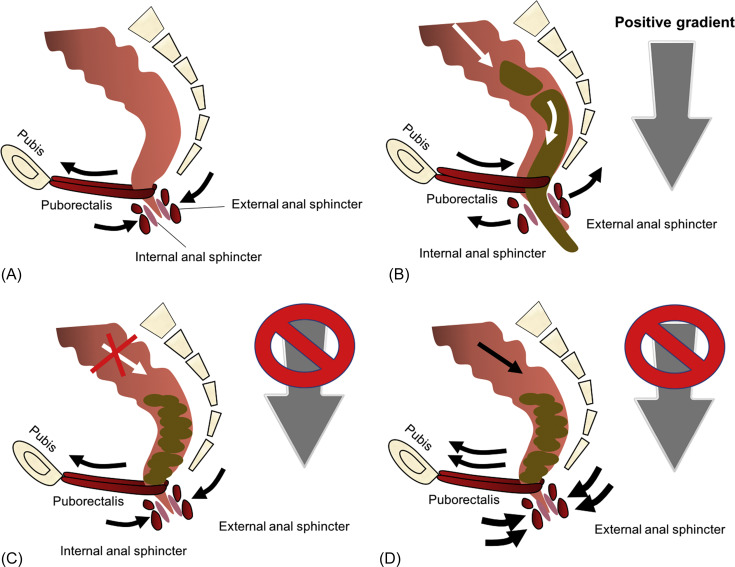
The pelvic floor is a hammock of muscles that supports your organs. When you decide to poop, three things happen at once:
- Your abdomen pushes down (increasing pressure).
- The rectum relaxes to receive stool.
- The anal sphincter relaxes to let it out.
In dyssynergic defecation, the last step goes wrong—either the sphincter contracts when it should relax, or the abdominal push is too weak.
Visual Aid Suggestion
Consider adding a simple diagram that shows “normal vs. dyssynergic” muscle patterns. A picture can turn a complicated concept into a quick “aha!” moment for readers.
Common Symptoms
Hallmark Signs
If you’re seeing one or more of these, you might be dealing with dyssynergic defecation:
- Persistent straining for more than 5‑10 minutes.
- A sensation that you’re never completely empty.
- Frequent abdominal bloating or gas.
- Occasional need for digital manipulation (yes, that’s a real thing).
Red‑Flag Symptoms
Some signs signal a different problem that needs immediate medical attention:
- Blood in the stool.
- Sudden, severe abdominal pain.
- Unexplained weight loss.
Symptom Checklist
| Symptom | Frequency in patients* | Typical Triggers |
|---|---|---|
| Straining >5 min | 70 % | Low‑fiber diet, sedentary lifestyle |
| Feeling “still full” | 65 % | Pelvic‑floor over‑activity |
| Digital assistance | 45 % | Severe dyssynergia |
*Data from a large multicenter study reported in The American Journal of Gastroenterology.
Why It Happens
Primary Mechanisms
The core issue is a mismatch between abdominal pressure and anal sphincter relaxation. Some people develop a learned habit of “holding it in” for too long, which trains the pelvic floor to contract instead of relax.
Risk Factors & Triggers
- Chronic constipation that forces you to push hard.
- Pelvic‑floor trauma (e.g., difficult childbirth, surgery).
- Neurological conditions like Parkinson’s or multiple sclerosis.
- Medications that slow gut motility (opioids, certain antidepressants).
Case Vignette (Experience)
Emily, a 38‑year‑old yoga teacher, started noticing she’d need to “push” for ten minutes after every meal. After a tough vaginal delivery, her doctor suggested a pelvic‑floor exam. The diagnosis? Dyssynergic defecation, Type I. With biofeedback and a few simple home exercises, Emily reclaimed her mornings and stopped hiding the bathroom door.
How It’s Diagnosed
Clinical Evaluation
Your doctor will start with a careful history, a digital rectal exam, and a symptom questionnaire. It sounds simple, but the exam can reveal whether the sphincter is tightening when it shouldn’t.
Objective Tests (Featured‑Snippet Friendly)
- Anorectal Manometry: Measures pressure patterns during simulated bowel movements. It’s the gold‑standard for detecting dyssynergic patterns.
- Balloon Expulsion Test: A small balloon is inflated in the rectum; you’re asked to push it out. Failure to expel within a minute often points to dyssynergia.
- Defecography: An X‑ray or MRI movie of you “pooping” on a special table. It’s reserved for complex cases because it involves radiation.
Comparison Table – Test Sensitivity & When to Use
| Test | Sensitivity | Invasiveness | Typical Use |
|---|---|---|---|
| Manometry | 85 % | Low | First‑line diagnostic |
| Balloon Expulsion | 70 % | Very low | Screening or bedside check |
| Defecography | 90 % | Moderate (radiation) | Complex or refractory cases |
Treatment Options
First‑Line (Conservative)
Before you consider any high‑tech therapy, try these lifestyle basics:
- Fiber & Fluids: Aim for 25‑30 g of fiber daily (fruits, veggies, whole grains) and at least 2 L of water.
- Laxatives: Osmotic agents like polyethylene glycol (PEG) can soften stool without causing cramps.
- Posture: A squat‑style footstool raises your hips, aligning the rectum for easier passage.
Pelvic‑Floor Rehabilitation
When diet and posture aren’t enough, the next step is targeted muscle training.
Biofeedback Therapy – The Gold Standard
Biofeedback uses sensors to show you, in real time, how your pelvic floor is behaving. With a certified therapist, you learn to relax the sphincter while pushing. Studies show success rates of 70‑80 % when patients complete 6‑8 weekly sessions according to a systematic review.
Dyssynergic Defecation Exercises (Home)
| Step | Duration | Notes |
|---|---|---|
| Warm‑up: Pelvic tilts | 2 min | Supine, gentle breathing |
| Reverse Kegels (push‑away) | 5 × 10 sec | Feel the anal sphincter loosen |
| Squat‑to‑toilet | 3 min | Use a footstool; keep knees >90° |
| Cool‑down: Deep diaphragmatic breathing | 2 min | Focus on belly rise, not chest |
Doing this routine twice a day can improve coordination within a few weeks.
Medical & Interventional Options
- Botulinum Toxin Injections: A tiny amount of Botox temporarily relaxes a hyperactive sphincter, buying time for biofeedback to work.
- Neuromodulators: Low‑dose tricyclic antidepressants can help some patients by altering gut‑brain signaling.
Surgical Options (When All Else Fails)
Only a small fraction of patients need surgery, and it’s usually after exhaustive conservative measures.
STARR (Stapled Transanal Rectal Resection)
STARR removes excess rectal tissue that can obstruct stool flow. Success rates hover around 65‑70 % in carefully selected cases.
Risk vs. Benefits Table
| Procedure | Success Rate* | Major Risks | Recovery Time |
|---|---|---|---|
| Biofeedback | 70‑80 % | None | 4‑6 weeks (sessions) |
| Botox injection | 60 % | Transient incontinence | 1‑2 days |
| STARR surgery | 65‑70 % | Bleeding, stenosis | 2‑3 weeks |
*Data synthesized from a 2023 systematic review according to recent research.
Is Dyssynergic Defecation Curable?
Short answer: yes, for most people. The majority achieve lasting symptom relief with a combination of diet, posture, and biofeedback. Surgery is reserved for the stubborn minority, and even then, outcomes are favorable when performed by an experienced colorectal surgeon.
Dyssynergic Types
Type I – Paradoxical Contraction
The anal sphincter contracts when you try to push. Manometry shows a pressure spike at the moment of attempted evacuation.
Type II – Inadequate Propulsion
Your abdomen fails to generate enough pressure, but the sphincter relaxes normally.
Type III & IV – Mixed Patterns
These combine elements of Types I and II. They’re identified by more complex pressure curves on manometry.
Visual Flowchart Suggestion
A simple flowchart could illustrate each type with its hallmark manometry pattern and the most effective therapy (e.g., Type I often responds best to biofeedback focused on sphincter relaxation).
Take‑Home Checklist
| Step | What to Do |
|---|---|
| 1⃣ Track | Record bowel frequency, stool form (Bristol scale), and straining time for 2 weeks. |
| 2⃣ Evaluate | See a gastroenterologist for manometry or a balloon test. |
| 3⃣ Diet & Posture | Increase fiber, hydrate, and use a footstool for a squat position. |
| 4⃣ Rehab | Enroll in a certified biofeedback program; practice reverse Kegels daily. |
| 5⃣ Review | Re‑assess after 8 weeks—if symptoms persist, discuss Botox or surgical options. |
Trusted Resources
When you’re ready to dive deeper, these reputable sources can guide you:
- Cleveland Clinic – Anismus Overview
- International Foundation for Gastrointestinal Disorders (IFFGD) Guidelines
- American Gastroenterological Association Clinical Practice Updates
Remember, you’re not alone in this. Many people feel embarrassed to talk about bowel habits, but the more you understand the mechanics, the easier it becomes to fix them. Start with one small change today—maybe that footstool under the toilet—and see how your body responds. If you have questions, share them in the comments or reach out to a trusted health professional. Together we can turn a frustrating daily battle into a manageable, even confidence‑boosting, part of life.