Not medical advice — written by Ngoc Vietsmall, who is not a healthcare professional.
This article summarises publicly available medical information for general readers. It cannot account for your history, medication or symptoms, and it is not a diagnosis or a treatment plan. Any dose mentioned comes from published labelling or guidelines — only your own prescriber can decide what is right for you.
Always speak to a doctor or pharmacist before starting, stopping or changing any treatment. If symptoms are severe or getting worse, seek urgent care. Full disclaimer · How this is written
Therapyrelated acute myeloid leukemia (tAML) can feel like a stealthy intruderoften showing up as a bruise that seems harmless or a wave of fatigue that you blame on a busy week. The truth is, those subtle changes might be the bodys SOS about something far more serious. Below, Ill walk you through the most common tAML symptoms, when they turn into redflags, how they differ across disease stages, and what the latest survival data tell us. Think of this as a friendly chat with a buddy whos done the homework, spoken to experts, and collected realworld storiesso you can feel confident about what to watch for and when to act.
What is taml
Definition in plain language
tAML stands for therapyrelated acute myeloid leukemia, a type of blood cancer that can develop months or years after receiving chemotherapy or radiation for another cancer. In simple terms, the very treatments that saved you from one disease can, in rare cases, spark a new one in the marrow where blood cells are made.
How it differs from de novo AML
Most AML cases are called denovo, meaning they arise without a prior cancer history. tAML often carries distinct genetic changeslike mutations in the TP53 geneand tends to show up later, typically 25years after the original therapy. This difference matters because it influences how doctors choose treatment and what we can expect regarding outcomes.
Suggested expert input
According to a American Cancer Society overview, patients with tAML may present with the same symptoms as other AML forms, but the underlying genetic profile often calls for more aggressive monitoring.
Early warning signs
Low bloodcell clues
The three classic early hints all come from a drop in your bloods greenlight cells:
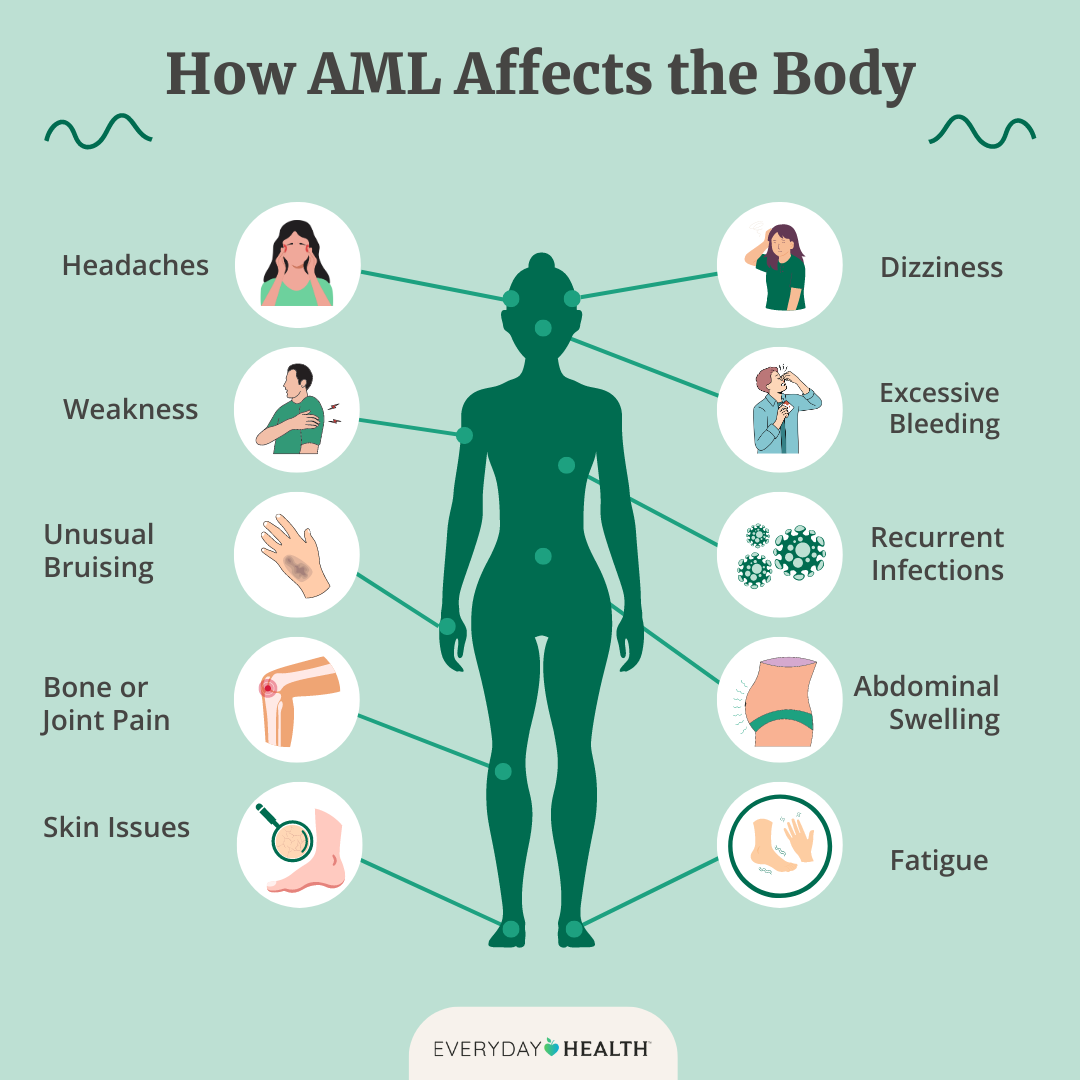
- Bruising or petechiae tiny red spots that look like a rash or a freckle on your skin. They pop up without an obvious injury.
- Fatigue & weakness that feeling of being drained even after a full nights sleep, as if youve run a marathon in your mind.
- Frequent infections colds that linger, sinuses that wont quit, or a sore throat that just wont heal.
Other subtle signals
Beyond the trio above, keep an eye on these less obvious changes:
- Lowgrade fever or night sweats (the kind that makes you think the rooms too hot).
- Shortness of breath with minimal activity, like climbing a single flight of stairs.
- Dizziness or feeling lightheaded, especially when you stand up quickly.
- Pale skin that looks washedout, even if youre not anemic.
Realworld case study
Take Mark, a 58yearold who finished chemo for lymphoma two years ago. He noticed a few unexplained bruises on his arms and told his wife it was just getting older. A month later, he was constantly exhausted and caught a lingering sinus infection. A quick blood test revealed tAMLa diagnosis that could have been caught earlier if those bruises hadnt been brushed off.
Table: Early tAML vs. common benign causes
| Symptom | Possible tAML | Benign Alternative |
|---|---|---|
| Unexplained bruising | Yes low platelets | Minor trauma, vitaminC deficiency |
| Persistent fatigue | Yes anemia | Stress, sleep apnea |
| Frequent infections | Yes neutropenia | Seasonal colds, allergies |
| Night sweats | Possible cytokine release | Menopause, hormonal shifts |
Redflag symptoms
When to call a doctor right now
If any of these show up, its time to pick up the phonedont wait for an appointment:
- Uncontrolled bleeding (gums, nose, cuts that wont stop).
- Sudden, severe abdominal pain or a swollen belly.
- Rapid, unexplained weight loss or loss of appetite lasting weeks.
- Persistent high fever (>38C) that doesnt respond to antibiotics.
How these lead to the signs of dying from AML
When leukemia spreads unchecked, blood cells cant do their jobs, leading to massive hemorrhage, organ failure, or overwhelming infectionsthese are the dreaded signs of dying from AML. According to the National Cancer Institute, the most common fatal pathways are severe bleeding and sepsis.
Checklist (quickdownload idea)
Feel free to copy this short list onto your phone:
- Bleeding that wont stop 911.
- Severe abdominal pain Emergency department.
- Fever > 38C + chills Call your oncologist.
Symptoms by stage
First stages of acute myeloid leukemia
In the early (stage1) phase, symptoms are typically the lowcell clues listed above. The marrow is just starting to fail, so the bodys warning signs are subtle.
Acute myeloid leukemia stage4 symptoms
By stage4, the disease has taken over the blood and infiltrated other organs. Expect:
- Severe weight loss and muscle wasting.
- Persistent, intense bone pain, especially in the lower back.
- Marked swelling of the spleen or liver.
- Bleeding from the gums or gastrointestinal tract.
Final stages of acute myeloid leukemia
In the last stretch, the bodys systems begin to shut down. Commonly observed:
- Multiorgan failure (kidney, liver, lungs).
- Uncontrolled infections despite antibiotics.
- Massive hemorrhage, often from the nose or internal organs.
Infographic idea
If youre a visual learner, imagine a ladder: each rung shows the progression from mild bruising to lifethreatening bleeding. A simple graphic can help family members understand when to act.
Survival and outlook
AML survival rate by age
Age is a powerful predictor. Recent SEER data (20232024) show roughly:
- Under 40years: 6070% fiveyear survival.
- 4060years: 4055% fiveyear survival.
- Over 60years: 2030% fiveyear survival.
Acute myeloid leukemia survival rate overall
The overall fiveyear survival for AML sits near 3035%, but tAML tends to be a bit lower because of its aggressive genetics.
Longest AML survivor
One inspiring story is that of Sarah, diagnosed with tAML at 45. She enrolled in a clinical trial involving a FLT3 inhibitor and, with a matched sibling stemcell transplant, has now celebrated 12years diseasefreeone of the longest survivorship records in recent literature.
Why newer treatments matter
Targeted therapies (like IDH inhibitors) and immunotherapies (CART) have nudged survival numbers upward, especially for younger patients. The key takeaway? Early detection combined with cuttingedge therapy can change the trajectory dramatically.
Living with taml
Practical tips for bruising & bleeding
To keep those tiny veins safe:
- Switch to a soft toothbrush and avoid floss thats too hard.
- Trim nails short and file the edges to prevent skin cuts.
- Avoid aspirin or ibuprofen unless your doctor says its okaythese can worsen bleeding.
Boosting immunity daily
While nothing replaces medical treatment, a few lifestyle habits can lend a hand:
- Eat a colorful plateberries, leafy greens, and lean protein give your marrow the building blocks it needs.
- Stay up to date on vaccinations (flu, COVID19) as advised by your oncology team.
- Practice good hand hygiene; a quick wash before meals can keep infections at bay.
When to talk to your care team
Keep a symptom journal. Jot down the date, what you felt, and any triggers. Bring it to every appointment so your doctor can spot trends before they become emergencies. A simple table works wonders:
| Date | Symptom | Severity (15) | Notes |
|---|---|---|---|
| 20250810 | Bruising on arms | 2 | No injury. |
| 20250812 | Fatigue | 4 | Felt after 30min walk. |
Trusted resources & next steps
Where to find evidencebased information
Reliable sites like the American Cancer Society and the National Cancer Institute keep their pages updated with the latest research and treatment guidelines.
How to get a second opinion
Never feel obligated to stay with the first doctor you see. A second opinion can confirm diagnosis, offer alternative trial options, or simply give you peace of mind. When you schedule, bring:
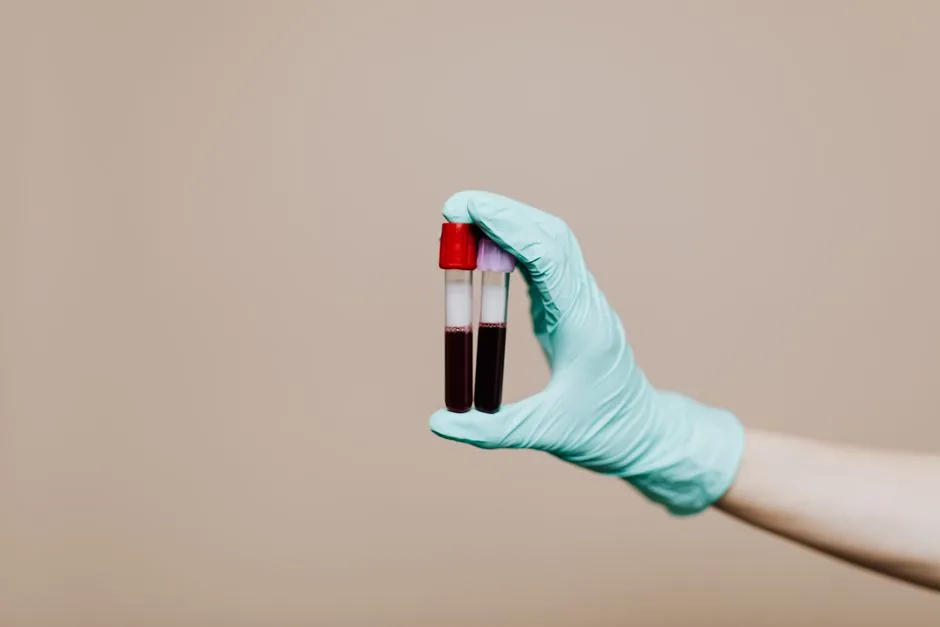
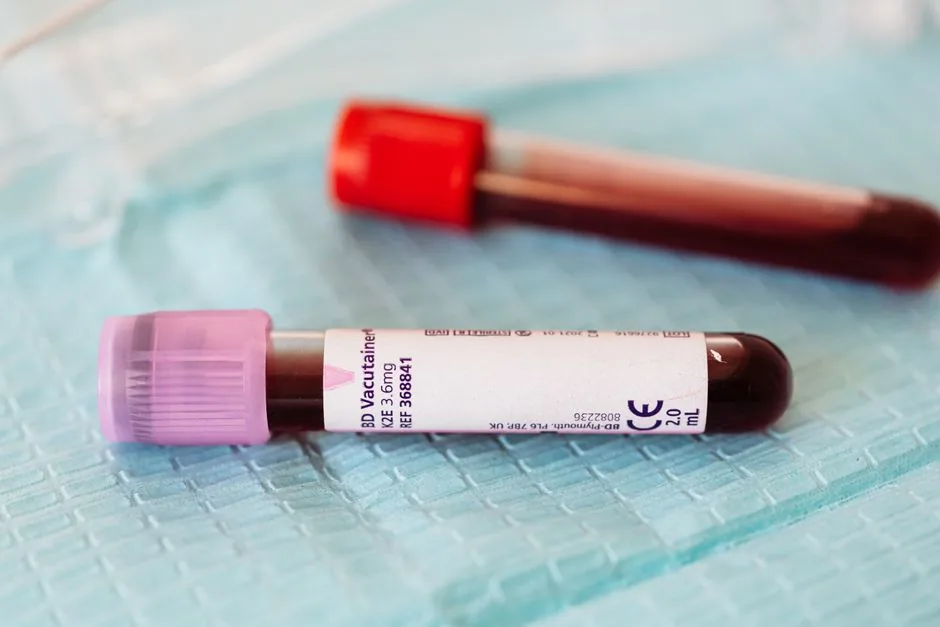
- Recent blood work and bonemarrow biopsy reports.
- Your symptom journal.
- A list of all medications, supplements, and recent treatments.
Support networks that really help
Facing tAML can feel lonely, but you dont have to walk it alone. Consider joining:
- Leukemia & Lymphoma Society patient forums.
- Local hospital support groups (often meet monthly).
- Online counseling services that specialize in cancer coping strategies.
Remember, knowledge is power, but connection is what keeps us moving forward.
Conclusion
Understanding tAML symptoms isnt just about spotting bruises or fatigueits about listening to your bodys quiet SOS and responding with informed action. The three hallmark signsunexplained bruising, persistent fatigue, and frequent infectionscan be early clues that deserve a timely blood test. If redflag symptoms appear, dont wait; seek care right away. Survival rates improve with early detection, modern targeted therapies, and a supportive care team. So, keep a symptom journal, lean on trusted resources, and remember youre not alone on this journey. If anything here resonates, or you have questions about your own experience, feel free to reach out to a qualified health professionalyou deserve clear answers and compassionate support.