Not medical advice — written by Ngoc Vietsmall, who is not a healthcare professional.
This article summarises publicly available medical information for general readers. It cannot account for your history, medication or symptoms, and it is not a diagnosis or a treatment plan. Any dose mentioned comes from published labelling or guidelines — only your own prescriber can decide what is right for you.
Always speak to a doctor or pharmacist before starting, stopping or changing any treatment. If symptoms are severe or getting worse, seek urgent care. Full disclaimer · How this is written
Does your child toss and turn at night, constantly kicking their legs as if theyre trying to sprint in their sleep? Youre not alone. Restless Leg Syndrome (RLS) can turn bedtime into a restless marathon for both kids and parents. The good news? With the right clues, a solid diagnosis, and a balanced treatment plan, you can calm those jittery limbs and bring sweet dreams back to your household.
Recognizing RLS Symptoms
First things first: spotting the signs early can save you weeksor even monthsof sleepless nights. In children, RLS often masquerades as normal kid energy, but there are telltale details you can catch with a quick check.
What are the most common child symptoms?
Typical RLS clues in kids include:
- Uneasy sensations deep in the legs that feel creepycrawly or tingly.
- Compulsive legwiggling, especially when theyre sitting or lying down.
- Relief after moving the legsthink of a quick jog or a stretch that suddenly feels amazing.
- Nighttime restlessness that disrupts sleep, often leading to irritability the next day.
Toddler restless legs at night how it looks
Picture a threeyearold whos suddenly fidgety right before bedtime, tossing blankets and kicking under the covers. The moments of calm are fleeting, replaced by a rapid kickkickkick rhythm that can alarm any parent.
RLS vs. normal fidgeting
All kids fidgetit's part of growing up. The difference lies in the timing (usually at rest) and the intensity (the urge is hard to ignore). If your child cant fall asleep without moving their legs, thats a red flag.
When should I be worried?
Not every wiggle means trouble, but keep an eye out for these thresholds:
- Symptoms happening more than three nights a week.
- Sleep onset delayed by 30 minutes or more because of leg discomfort.
- Daytime fatigue, mood swings, or trouble concentrating at school.
When these patterns appear, its time to dig deeperbecause untreated RLS can affect growth, behavior, and overall wellbeing.
Causes and Deficiencies
Understanding why those legs feel like a live wire helps you target the right fix. While the exact cause isnt always crystal clear, a few culprits show up again and again.
Iron deficiency the biggest red flag
Iron isnt just for making blood; its crucial for dopamine production, which regulates movement. Low ferritin (the stored form of iron) is a leading trigger for RLS in kids.
How low ferritin triggers leg sensations
When iron stores dip, dopamine signaling gets shaky, and the brain sends mixed messages to the legsresulting in that restless, cantstaystill feeling.
Lab values to ask your doctor for
Ask for a ferritin test. Most pediatric guidelines consider ferritin below 50g/L as a concern for RLS, though some clinicians aim for a target above 75g/L to ensure relief.
Other nutrient & hormonal factors
While iron is the star player, a handful of other nutrients join the cast.
Magnesium, VitaminD, and Bcomplex
Magnesium helps muscles relax, VitaminD supports nerve health, and Bvitamins aid in converting nutrients to energy. Deficiencies can amplify restless sensations.
Genetic predisposition & family history
RLS often runs in families. If a parent or sibling struggles with leg cramps at night, the odds rise for the child as well.
Environmental triggers
Beyond biology, daily habits can stir the pot.
Sleep disruption, caffeine, and excess screen time
Latenight screens flood the brain with light, delaying melatonin and making restless legs more likely. Even a small sip of cocoa (caffeine!) before bed can aggravate symptoms.
Getting a Diagnosis
Diagnosing RLS in kids isnt a wild guessits a structured process that blends questionnaires, labs, and sometimes a sleep study.
The pediatric RLS questionnaire: what it asks
Clinicians often start with a simple questionnaire. Sample questions you can answer at home include:
- Does your child feel uncomfortable legs when theyre resting?
- Do they feel better after moving or stretching?
- Do symptoms worsen in the evening or at night?
- Is sleep delayed because of leg movements?
Answering yes to most of these points sways the diagnosis toward RLS.
Medical workup checklist
Once the questionnaire suggests RLS, a pediatrician may order:
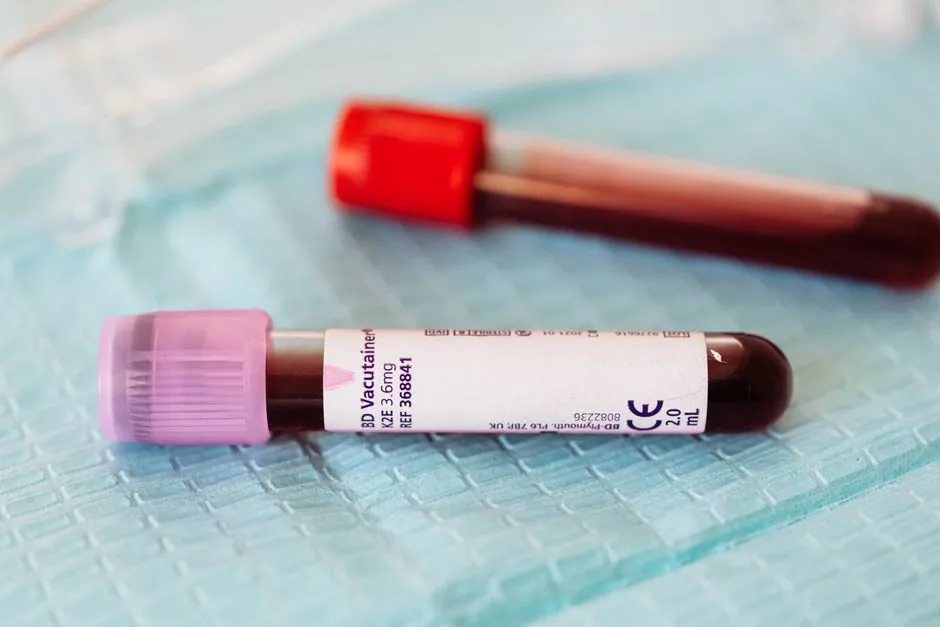
- Blood tests: ferritin, CBC, vitamin D, magnesium.
- Polysomnography (sleep study) if symptoms are severe or if another sleep disorder is suspected.
- Neurological exam to rule out peripheral neuropathy.
When to see a specialist
If your childs RLS is stubborn, overlaps with ADHD, or you notice unusual movement patterns during sleep, a referral to a pediatric neurologist or a sleep specialist (like those at Mayo Clinic) is wise. These experts can finetune treatment and monitor for rare complications.
Treatment Options Overview
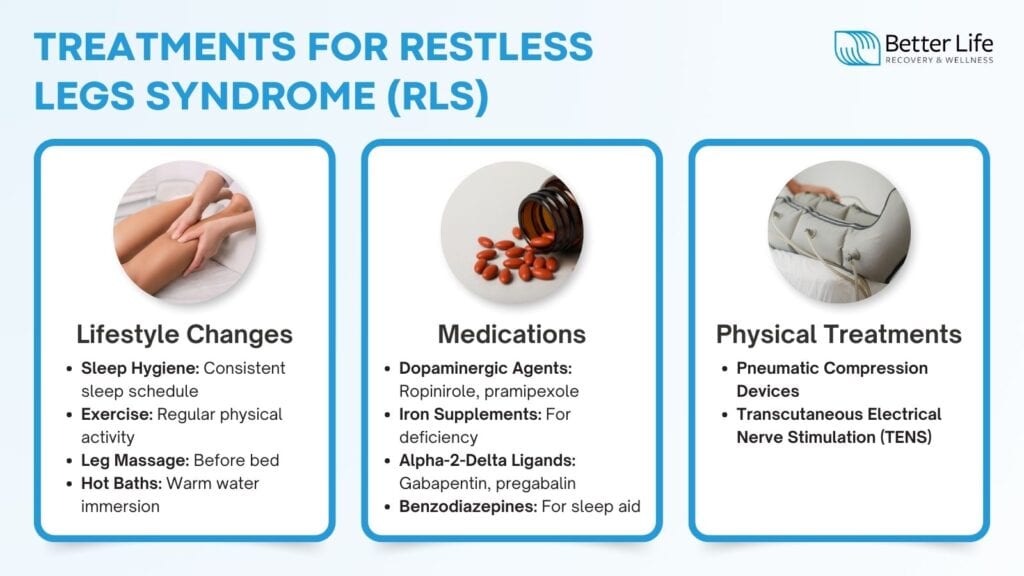
Now for the heart of the matterwhat can you actually do to soothe those restless legs? Think of treatment as a ladder: start low, climb higher only if needed.
MedicationBased Therapies
Medication isnt the first step for most, but sometimes its essential. Heres a quick snapshot of the most common prescriptions.
| Medication | Typical Dose (Children) | Benefits | Common Sideeffects |
|---|---|---|---|
| Gabapentin | 515mg/kg nightly | Reduces nerve excitability; effective for severe cases. | Drowsiness, mild dizziness. |
| Clonidine (transdermal patch) | 0.1mg/kg nightly | Calms central nervous system; helps with sleep onset. | Dry mouth, low blood pressure. |
| Iron (oral or IV) | Oral: 36mg/kg elemental iron daily IV: 10mg/kg weekly |
Addresses root cause when ferritin low. | GI upset (oral); rare allergic reaction (IV). |
Each medication carries benefits and risks, so a pediatric neurologists guidance is crucial. Never start or stop a drug without professional advice.
Iron & Nutrient Supplementation
When labs show low ferritin, iron becomes the frontline hero.
Oral ferrous sulfate vs. IV iron pros & cons
Oral iron is inexpensive and easy, but absorption can be trickyespecially if the childs stomach is sensitive. IV iron works faster, bypasses gut issues, and is often reserved for severe deficiencies or when oral iron fails.
How to monitor ferritin levels safely
After starting supplementation, repeat ferritin testing every 46weeks. Aim for a steady upward trend and keep the level above 75g/L for lasting symptom relief.
Home & Lifestyle Interventions
Before you reach for a prescription, there are simple, nocost strategies that can bring quick comfort.
How to stop restless legs immediately quick tricks
These steps can calm legs in minutes:
- Warm foot soak (10min) followed by a gentle leg massage.
- Stretch the calves: stand on tiptoes, hold for 5 seconds, repeat 10 times.
- Apply a warm compress for 510minutes, then switch to a cool pack for another 5 minutes.
- Encourage a brief walk or danceparty before bedtime to use up the restlessness.
These moves mirror the how to stop restless legs immediately at home advice many parents swear by.
Exercise & daytime activity guidelines
Regular, moderate activitylike playground play, biking, or swimminghelps regulate dopamine pathways. Avoid highintensity workouts within two hours of bedtime, as they can trigger a rebound of leg sensations.
Diet changes ironrich foods kids actually like
Think beyond spinach. Lean beef, turkey, lentils, fortified cereals, and even pumpkin seeds can be disguised in smoothies, tacos, or homemade meatballs. Pair ironrich foods with vitaminC (orange slices, strawberries) to boost absorption.
Combining Treatments a stepladder approach
Most families start with iron and lifestyle tweaks. If symptoms linger after 46weeks, a pediatric neurologist may introduce a lowdose medication. The goal is always the lowest effective dose, minimizing sideeffects while restoring restful nights.
LongTerm Management Plan
RLS is often chronic, but with vigilant management you can keep it under control for years to come.
Monitoring symptom progression
Keep a simple sleep diarynote bedtime, leg movements, and wakeup times. Over a month, patterns will emerge, showing whether interventions are paying off.
Quarterly ferritin checks
Even if your child feels better, repeat ferritin tests every three months for the first year. This guards against a hidden rebound.
Sleep diary template
Columns for Date, Bedtime, Leg Activity (scale 05), Waketime, Mood/School Performance. Review it with your doctor during visits.
School & social considerations
Restless legs can make a child tired, moody, or inattentive during class.
Communicating with teachers
Share a brief note explaining the condition and possible need for a short movement break during the day. Most teachers appreciate the headsup and can accommodate a quick stretch.
Managing daytime fatigue
Encourage short, structured activity burstslike 5minute walk after lunchto reboot energy without overstimulating the nervous system.
When to adjust or discontinue therapy
Regular checkins help you spot when a medication can be tapered.
Red flags for medication sideeffects
Watch for persistent drowsiness, mood swings, or new gastrointestinal issues. If they appear, alert your doctor immediately.
Success criteria for tapering
When ferritin stays stable above 75g/L, leg symptoms score 1 on the diary scale for at least two consecutive weeks, and daytime function is back to normal, a slow taper (reduce dose by 25% every 23weeks) may be possible.
Quick Reference Resources
- Printable symptom checklist (downloadable PDF)
- Links to reputable organizations: Restless Leg Syndrome Foundation, Childrens Hospital Colorado
- Contact info for pediatric sleep clinics in major US cities
Having these tools at your fingertips makes followup appointments smoother and empowers you to advocate confidently for your child.
Conclusion
Living with restless leg syndrome doesnt have to be a perpetual nighttime saga. By recognizing the early signs, checking iron levels, using simple home tricks, and, when needed, smart medication under a specialists watch, you can guide your child back to peaceful sleep. Keep a sleep diary, stay on top of ferritin checks, and never hesitate to ask your pediatrician for clarificationyour childs nightly comfort is worth every thoughtful step. If youve tried any of these strategies, or have a tip that helped your family, feel free to share it with other parents seeking calm nights. Together, we can turn restless evenings into restful dreams.