Not medical advice — written by Ngoc Vietsmall, who is not a healthcare professional.
This article summarises publicly available medical information for general readers. It cannot account for your history, medication or symptoms, and it is not a diagnosis or a treatment plan. Any dose mentioned comes from published labelling or guidelines — only your own prescriber can decide what is right for you.
Always speak to a doctor or pharmacist before starting, stopping or changing any treatment. If symptoms are severe or getting worse, seek urgent care. Full disclaimer · How this is written
Hey there, mamatobe! If youve woken up with puffy, achy feet and wonder what to drink to reduce swelling in feet during pregnancy, the answer is simpler than you think: hydrate wisely, choose the right soothing sips, and pair them with a few gentle habits. The good news is that the right fluids can literally help pull excess fluid out of your legs, giving you the relief you deserve.
Below youll find a friendly, stepbystep guide that explains why fluids matter, which drinks are safest, and how to weave them into a daily routine that keeps your feet feeling light and happy.
Why Fluids Matter
How pregnancy changes fluid balance
During pregnancy your body produces up to 50% more blood and an extra 500ml of fluid each day. Hormones like progesterone relax your blood vessels, while the growing uterus presses on the veins that carry blood back from your legs. The result? Fluid pools in the lowest parts of your body usually your feet and ankles.
What the research says
Studies from the Mayo Clinic and the UK's NHS both confirm that staying wellhydrated reduces the severity of edema (the medical term for swelling). One 2023 observational study found that pregnant women who increased water intake by an extra 2L per day reported a 30% reduction in foot swelling compared with those who didnt.
Quick tip: Check your hydration
Hold your hand under a stream of water. If the water runs off in a steady sheet, youre probably wellhydrated. If it beads up, sip a glass of water and try again.
Best Drinks Guide
| Drink | How It Helps | When to Use | Safety Tips |
|---|---|---|---|
| Plain water | Dilutes sodium, promotes kidney excretion | All day aim for 23L | Use filtered or bottled if tap quality is uncertain |
| Electrolytebalanced herbal tea (dandelionnettle, peppermint) | Provides potassium & magnesium; gentle diuretic | 12 cups after meals | Avoid highcaffeine blends; check for herbpregnancy interactions |
| Lowcaffeine coffee with milk | Mild caffeine improves circulation without overstimulation | Morning only, max 1 cup | Keep total caffeine <200mg |
| Coconut water (unsweetened) | Natural electrolytes, low sugar | Snack time or postwalk | Choose brands without added sugar |
| Infused water (cucumberlime, lemonmint) | Flavor boost higher intake | Anytime | No added sweeteners |
How to prepare each drink for maximum effect
Dandelionnettle tea: Use 1tsp dried herbs per cup, steep in 250ml hot water for 57minutes, then strain. Drink warm (or cool) once a day.
Infused water: Slice half a cucumber, add a few slices of lime, and let sit in a pitcher of 1L water for at least an hour. Refill the pitcher throughout the day.
Expert Insight
Pregnant women can safely enjoy up to 200mg of caffeine daily thats roughly one 8oz cup of coffee, says Dr. Maya Patel, OBGYN at a major prenatal clinic. Just keep an eye on sugar content and stay within the recommended fluid range.
Lifestyle Hacks
When should swelling be a concern?
Most swelling is normal, but watch for these red flags:
- Sudden, rapid swelling in one leg only
- Severe pain, throbbing, or skin tightness
- Headaches, visual changes, or shortness of breath
If any of these appear, call your healthcare provider right away they could signal preeclampsia, a serious condition that needs prompt attention.
Home remedies that pair with drinks
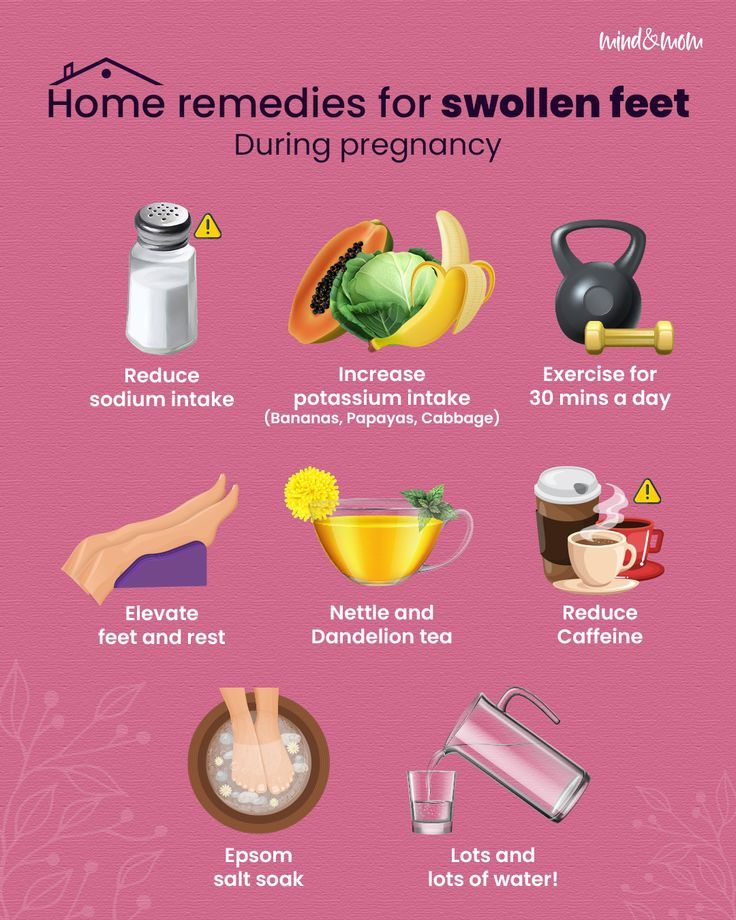
Cool foot soak: Fill a basin with cool (not icecold) water for 20minutes, 23 times a week. After soaking, drink a glass of plain water to help flush out the released fluid.
Gentle foot massage: Using upward strokes from the toes toward the calf, massage each foot for 510minutes. A few drops of diluted almond oil add slip and skin nourishment. This technique follows advice from certified massage therapist Lina Gomez, who recommends light pressure, never painful.
Hot or cold water?
Cold water reduces inflammation, making it ideal right after a long day on your feet. Warm water improves circulation, so a warm foot soak is best once swelling has eased, preparing you for bedtime comfort.
Is walking good for swollen feet?
Yes! Light walking (1015minutes) promotes venous return, preventing fluid from pooling. Just avoid standing for long stretches. If you feel a pinch of pain, take a seated break and sip a glass of water.
Mythbusting: gender and swelling
Theres a lingering rumor that swollen legs during pregnancy indicate a boy or girl. Science says otherwise gender has no impact on edema. Its simply a matter of blood volume and pressure.
7Day Relief Plan
Daybyday drink schedule
Heres a sample week to get you started:
| Day | Morning | Midday | Evening |
|---|---|---|---|
| Day17 | 1L water + 1 cup lowcaffeine coffee | 1L water + 1 cup dandelionnettle tea | 500ml water + warm decaf peppermint tea |
Daily habit checklist (printable)
- Drink a glass of water every 2hours
- Do a 15minute light walk after lunch
- Perform a 5minute foot massage before bed
- Take a cool foot soak twice a week
- Choose a balanced drink from the table above for each snack
Follow this routine for at least a week and you should notice your feet feeling lighter, less throbbing, and more ready for the next adventure (whether thats a stroll in the park or a quick grocery run).
Conclusion
Staying hydrated with plain water, potassiumrich herbal teas, and modest coffee is the simplest, evidencebased way to keep swollen feet at bay during pregnancy. Pair those drinks with cool foot soaks, gentle massage, and regular light movement, and youll likely see relief within days. Remember, normal swelling is common, but sudden or severe changes can signal a deeper issue, so dont hesitate to reach out to your provider if anything feels off.
Ready to give it a try? Grab a pitcher of infused water, set a reminder to sip every two hours, and lets say goodbye to those puffy feet together. If you have tips of your own or questions about a particular drink, feel free to share were all in this journey together!