Not medical advice — written by Ngoc Vietsmall, who is not a healthcare professional.
This article summarises publicly available medical information for general readers. It cannot account for your history, medication or symptoms, and it is not a diagnosis or a treatment plan. Any dose mentioned comes from published labelling or guidelines — only your own prescriber can decide what is right for you.
Always speak to a doctor or pharmacist before starting, stopping or changing any treatment. If symptoms are severe or getting worse, seek urgent care. Full disclaimer · How this is written
Your 5‑year‑old may be having difficulty with bowel movements, and you likely want to help right away. Below are some commonly suggested, gentle approaches that many families try at home, but remember that every child is different and this is not medical advice.
Why It Matters
Constipation can be uncomfortable and may lead to pain, anxiety, or other digestive concerns if it continues. In children, difficulty passing stool can be associated with abdominal cramps, reduced appetite, and irritability. Occasional episodes are common, but persistent difficulty (for example, more than a few days without a soft bowel movement) may be a reason to check in with a healthcare provider.
Signs that may indicate a need for medical attention include bright red blood, vomiting, severe belly pain, or a swollen abdomen—if any of these occur, contacting a pediatrician is important. For many situations, simple supportive measures may help ease discomfort and support regular digestion.
Instant Relief Steps
Warm Water & Gentle Belly Massage
A soothing routine can be a helpful starting point. Offering a small amount of warm (not hot) water to sip and gently massaging the lower belly in a clockwise direction for a minute or two may support natural bowel movement. This technique is thought to mirror the body's own digestive rhythms and may help stool move along.
Massage Pressure Points & Timing Chart
| Focus | Idea |
|---|---|
| Warm sip | Offer a small amount of warm water to drink slowly |
| Belly massage | Use light, clockwise circular pressure on the lower belly |
| Positioning | Encourage a squat‑like posture with knees above hips |
Prune or Apple Juice CleanOut
Some fruit juices contain sorbitol, a compound that may have a mild laxative effect. According to product labels, a typical serving suggestion might be a small amount of pure prune or apple juice, but the right amount for any child should be determined by their own healthcare provider. Always check the label and consult a professional before offering any juice for this purpose.
Mixing Tips
If your child finds prune juice too tart, blending it with an equal portion of pear or apricot juice can make the flavor milder and more appealing.
OTC FastActing Options
When additional support is being considered, over‑the‑counter (OTC) products are available. The Mayo Clinic website provides general information on options such as:
- Docusate sodium (Colace) – a stool softener. Product labels often suggest a certain volume (for example, 5 mL) for children in a given age range, but only the child's own prescriber can determine the appropriate amount and frequency.
- Polyethylene glycol 3350 (Miralax) – an osmotic laxative. Many labels describe mixing a specific amount (such as a teaspoon) in water or juice, but dosing must be individualized; always follow the guidance of a healthcare professional who knows your child.
Safety Checklist
Before considering any medication, it is important to review:
- Whether the product is age‑appropriate according to its label
- Any known allergies to the ingredients
- Possible interactions with other medications your child takes
- Whether a healthcare provider has been consulted about any chronic conditions
Positioning & Physical Activity
Children often sit with their knees lower than their hips on the toilet, which can make elimination more difficult. A stable footstool that raises the knees above the hips may help create a more natural squatting angle and may ease the passage of stool.
Sample 5Minute Activity Timer
After positioning the footstool, a few minutes of gentle jumping or marching in place may help stimulate intestinal movement, which could support stool progression.
Home Remedies Ongoing
FiberRich Foods Every Day
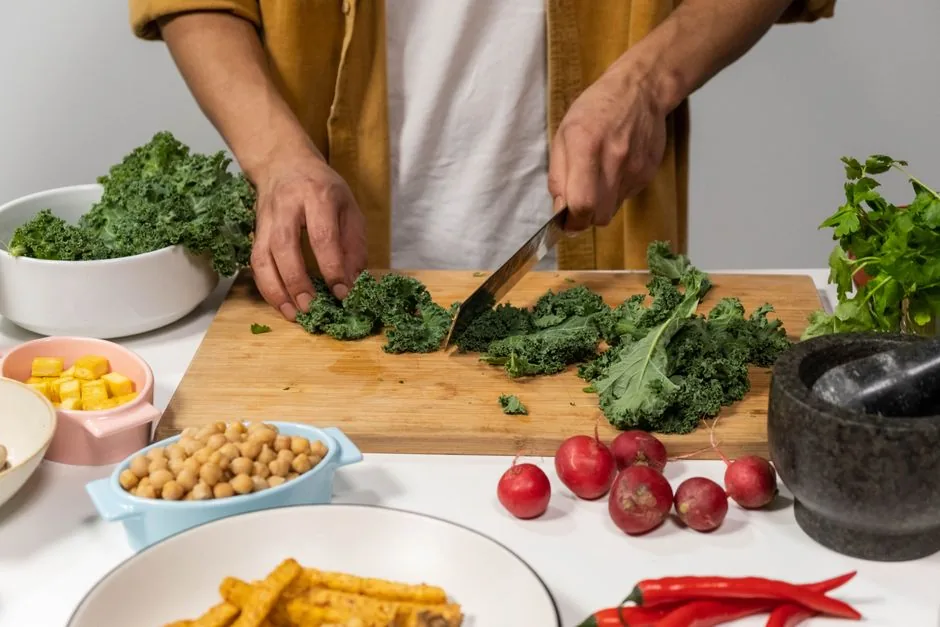
Dietary fiber is often recommended to help maintain soft, bulky stool. General nutritional guidance suggests including a variety of fiber‑rich foods in a child's daily meals, but individual needs vary. It is best to discuss specific fiber targets with a pediatrician or dietitian.
Weekly Meal Plan
| Meal | Fiber Sources |
|---|---|
| Breakfast | Oatmeal with berries, a sprinkle of chia seeds |
| Snack | Sliced apple with almond butter |
| Lunch | Wholegrain turkey sandwich, carrot sticks |
| Snack | Yogurt with a handful of raisins |
| Dinner | Brown rice, steamed broccoli, baked salmon |
Hydration Hacks
Staying hydrated supports healthy digestion. Encouraging your child to take regular sips of water throughout the day can be helpful. If plain water feels boring, try adding slices of orange, cucumber, or strawberries for a hint of natural flavor.
Hydration Tracker Printable
Some families create a simple sticker chart—each time a child finishes a cup of water, they place a sticker. Turning hydration into a game can make it more consistent and fun.
Probiotic & Prebiotic Support
Beneficial bacteria play a role in gut health. A daily serving of plain yogurt or kefir with live cultures may introduce helpful microbes. Look for products labeled with live and active cultures and minimal added sugars.
Recommended Brands
Brands such as Activia Kids and Siggis offer products marketed for children—always check the label for live & active cultures and age‑appropriate serving suggestions.
Lifestyle Tweaks
Small daily habits can support digestive regularity:
- Encouraging bathroom time after meals, when the body’s natural urge is often stronger
- Moderating foods that some people find more binding, such as excessive cheese, bananas, or white rice
- Keeping activity levels up with active play
Constipating vs. ConstipationFriendly Foods
| Foods some choose to moderate | Foods often included |
|---|---|
| Bananas (unripe) | Pears, apricots |
| White bread | Wholegrain toast |
| Cheese | Lowfat cheese in moderation |
| Rice cakes | Brown rice cakes |
When to Seek Help
If your child still has not had a bowel movement after a couple of days of supportive measures, or if you notice any of the following, contact a healthcare provider:
- Severe or worsening abdominal pain
- Bloody or black stool
- Vomiting, especially if it looks like coffee grounds
- Sudden weight loss or loss of appetite
- Swollen abdomen that feels hard to the touch
During a visit, the doctor may perform a gentle physical exam, ask about diet and activity, and, if needed, order an abdominal X‑ray to see where the stool is stuck. Prescription options—such as lubricating glycerin suppositories or a short course of a prescription laxative—are considered only after confirming the diagnosis.
Quick FAQ Answers
What approaches are sometimes suggested for a 4‑year‑old? Similar supportive measures—warm water, prune juice, and checking OTC product labels for age‑specific guidance—can be considered, but always consult a healthcare provider before giving any medication or juice amounts.
What are safe home remedies for a 2‑year‑old? Warm water, gentle belly massage, and a small amount of mashed prunes diluted with water may be tried. Avoid stronger OTC products unless a doctor has specifically recommended them.
Kids constipation quick relief medicine—is it safe? Pediatric‑approved OTC products used according to label instructions may be considered for short‑term use, but long‑term reliance should always be discussed with a healthcare professional.
How to relieve constipation in a child naturally? Focus on fiber, hydration, gentle activity, and the massage‑plus‑positioning routine described above—always remembering that each child responds differently.
Can I use a footstool for a 3‑year‑old? Absolutely—just make sure the stool is stable and the child is supervised while squatting.
QuickReference Cheat Sheet
Download a printable Instant Relief Checklist that includes:
- Step‑by‑step massage and juice guide
- 7‑day meal & fluid planner
- Red‑flag icons that tell you when to call a doctor
Having this at the kitchen counter can help you act quickly the next time your child feels blocked.
Conclusion
Constipation in a 5‑year‑old can feel urgent, but with a combination of warm water, gentle massage, fruit‑juice options, safe OTC products (used only as directed by a professional), and smart daily habits, you may help bring relief and support ongoing digestive comfort. Always watch for warning signs—pain, blood, or persistent blockage—and reach out to your pediatrician when needed. This guide has covered immediate steps, diet and lifestyle tweaks, and a when‑to‑call‑a‑doctor checklist all in one place. Taking a calm, step‑by‑step approach can be reassuring. If you have tried any of these tips or have your own tried‑and‑true tricks, many communities welcome sharing experiences—but remember that professional medical advice is essential for your child’s specific situation.