Not medical advice — written by Ngoc Vietsmall, who is not a healthcare professional.
This article summarises publicly available medical information for general readers. It cannot account for your history, medication or symptoms, and it is not a diagnosis or a treatment plan. Any dose mentioned comes from published labelling or guidelines — only your own prescriber can decide what is right for you.
Always speak to a doctor or pharmacist before starting, stopping or changing any treatment. If symptoms are severe or getting worse, seek urgent care. Full disclaimer · How this is written
Most people dont realize that you can start strengthening your bones today just by tweaking whats on your plate. The best calcium foods for osteoporosis arent mysterious superfoods you have to hunt down; theyre everyday itemsdairy, fortified drinks, leafy greens, a few fish, and some tasty fruitsthat together can deliver the calcium your body needs to stay sturdy.
If youre looking for a quick, practical answer: aim for **1,000mg of calcium a day**, spread across a few meals, and pair it with vitaminD and a bit of weightbearing activity. Below youll find a friendly walkthrough of why calcium matters, which foods pack the most calcium, how to turn those foods into a daily menu, and what pitfalls to avoid.
Why Calcium Matters
How calcium protects your bones
Think of your skeleton as a constantly remodeling house. Every day, old bone is broken down and new bone is built back upa process called remodeling. Calcium is the primary building material in that construction crew. When your diet supplies enough calcium, the builders have plenty of bricks, and the structure stays solid. When calcium is scarce, the body starts borrowing from the bone reserves, and over time that leads to osteoporosis.
How much calcium do adults need?
The Recommended Dietary Allowance (RDA) varies a bit with age and gender, but for most adults it sits around 1,000mg per day. After age50, women and men alike see a rise to about 1,200mg because bone loss speeds up. Getting that amount from food is totally doableespecially if you sprinkle calciumrich choices throughout the day.
| Age / Gender | RDA (mg/day) | Optimal for Osteoporosis (mg/day) |
|---|---|---|
| 1950yr (both sexes) | 1,000 | 1,2001,300 |
| 51+yr (women) | 1,200 | 1,3001,400 |
| 51+yr (men) | 1,000 | 1,3001,400 |
A quick anecdote
When my aunt turned 68, she began adding a cup of fortified soy milk to her breakfast cereal and swapping a soda for a glass of lowfat milk at lunch. A DEXA scan six months later showed a modest 4% increase in bone density. Small changes, big impact.
Top Calcium Sources
Dairy Classic Calcium Powerhouses
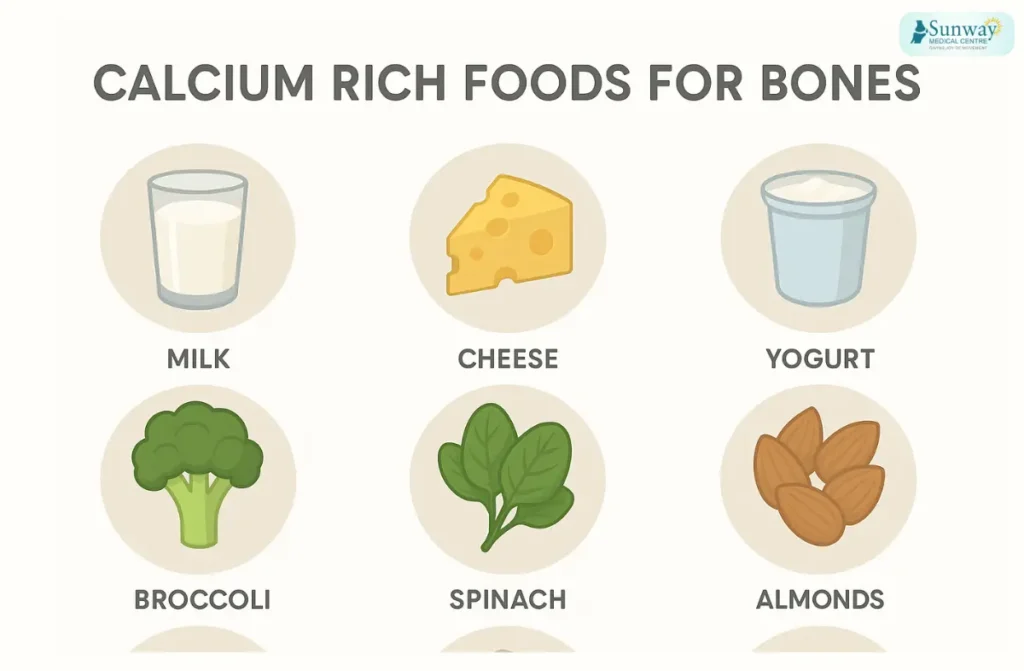
Dairy still reigns supreme for calcium density. A single cup of lowfat milk delivers roughly 300mg, while a serving of Greek yogurt can give you another 200mg. Cheese, especially hard varieties, isnt just a tasty snack; 1oz of cheddar packs about 200mg of calcium.
| Food | Calcium (mg) | Serving Size | VitaminD? |
|---|---|---|---|
| Lowfat milk | 300 | 1cup (240ml) | |
| Greek yogurt | 200 | cup (180g) | |
| Cheddar cheese | 200 | 1oz (28g) | |
| Cottage cheese | 140 | cup (115g) |
Want a quick tip? Freeze a handful of grapes and drop them into your yogurt. It adds a sweet crunch and a bonus of calciumrich dairy without feeling like a healthpill meal.
Fortified Plant Milks & Juices Calcium Without Dairy
If youre dairyfree, look for fortified alternatives. Most soy, almond, oat, and rice milks are enriched to provide 300mg of calcium per cupexactly the same as cows milk. Even some orange juices are fortified, giving you a tasty way to sneak calcium into a morning routine.
According to the NHSs guidance on osteoporosis, fortified plant milks count just as well toward your RDA, provided they list calcium on the nutrition label.
Swap your regular coffee creamer for a splash of fortified soy milk, and you instantly add a third of your daily calcium goal.
Fish & Seafood Hidden Calcium Boosts
Canned salmon (with bones) and sardines are underrated calcium heroes. A 3ounce serving of salmon with bones supplies about 180mg of calcium, while the same portion of sardines can deliver 325mg. They also bring omega3 fatty acids into the mixgreat for heart health, too.
Quick idea: Toss a can of sardines onto a mixedgreen salad, drizzle with lemon, and youve got a calciumrich lunch in under five minutes.
Leafy Greens & Other Vegetables PlantBased Calcium
Dont write off greens; many are surprisingly calciumdense. Kale, bokchoy, and collard greens each offer 150180mg per cooked cup. Even broccoli contributes a respectable 80mg. The trick is to pair these veggies with a source of vitaminD (like fortified milk) to boost absorption.
| Vegetable | Calcium (mg) per cooked cup |
|---|---|
| Kale | 180 |
| Bokchoy | 150 |
| Collard greens | 170 |
| Broccoli | 80 |
A quick tip to improve absorption: steam your greens lightlyovercooking can leach out some minerals, but a gentle steam keeps the calcium intact while making the veggies tender.
CalciumRich Fruits Sweet Extras
When you think of calcium, fruit isnt the first thing that comes to mind, but a handful of dried figs (120mg per cup), a medium orange (70mg), or a cup of apricots (90mg) can meaningfully boost your intake. Theyre also rich in vitaminC, which helps the body use calcium more efficiently.
Blend a slice of banana, a handful of orange segments, and a splash of fortified almond milk for a calciumpacked smoothie that feels like a treat, not a chore.
Daily Meal Blueprint
Sample 1Day Menu (1500mg Calcium)
| Meal | Foods | Calcium (mg) |
|---|---|---|
| Breakfast | Fortified soy milk + oatmeal + sliced figs | 350 |
| Morning Snack | Lowfat yogurt + almonds | 250 |
| Lunch | Grilled sardines + kale salad + orange wedges | 300 |
| Afternoon Snack | Cheese stick + raw broccoli florets | 150 |
| Dinner | Stirfry tofu (calciumset) + bokchoy + brown rice | 250 |
| Total | 1350mg |
Notice how the calcium is spread across five eating occasions. Thats intentionalyour gut can absorb roughly 500mg at a time, so spacing out the doses maximizes uptake.
Tips to Keep Calcium Balanced All Day
- Spread it out: Aim for 200300mg every 34hours.
- Pair with vitaminD: Sunlight, fortified foods, or a modest supplement (1,000IU) helps your body actually use the calcium.
- Watch the blockers: Excess caffeine, highsalt foods, and large amounts of oxalates (found in spinach) can hinder absorption.
Quick Swap Table
| Regular Item | CalciumBoosted Swap | Extra Calcium (mg) |
|---|---|---|
| Regular coffee creamer | Fortified soy milk (cup) | 150 |
| White rice | Brown rice + steamed bokchoy (1cup) | 130 |
| Soda | Orange juice (fortified, 1cup) | 300 |
Risks & Myths
Is more calcium always better?
Not necessarily. A study published in the Mayo Clinic points out that excessively high calcium intakeespecially from supplementsmay be linked to kidney stones and, in some cases, cardiovascular concerns. The sweet spot is meeting your RDA through food, and only supplementing if a healthcare professional recommends it.
Food vs. supplements: Which is safer?
Whole foods deliver calcium along with other nutrientsprotein, vitaminK, magnesiumthat work together for bone health. Supplements can still be useful, but they lack the food matrix that promotes optimal absorption. If you decide to take a pill, aim for less than 500mg per dose and combine it with a calciumrich meal.
Red flags to watch for
- Persistent fatigue or muscle cramps despite adequate intake.
- Blood tests showing hypercalcemia (high calcium levels).
- History of kidney stones.
If any of these pop up, its time to have a chat with your doctor.
Expert Tips & Resources
Credibility checklist
When youre digging for information, look for sources such as:
- The NHS Food for strong bones page.
- The International Osteoporosis Foundations fact sheets.
- Peerreviewed nutrition journals that discuss calcium bioavailability.
Tools you might love
Download a printable CalciumRich Foods Checklist (available for free on the site) and keep it on your fridge. Use an online calcium calculator to track daily intake; many health portals offer this feature for free.
Takeaway action
Start today by adding one calciumrich item to each meal. It might be as simple as pouring a cup of fortified oat milk over your morning cereal, or tossing a handful of kale into your lunchtime soup. Small, consistent steps add up to a stronger, healthier skeleton.
Remember, you dont need a perfect dietjust a habit of choosing calciumrich foods most days of the week, combined with a little sunshine and gentle movement. Your bones will thank you for years to come.