
Not medical advice — written by Ngoc Vietsmall, who is not a healthcare professional.
This article summarises publicly available medical information for general readers. It cannot account for your history, medication or symptoms, and it is not a diagnosis or a treatment plan. Any dose mentioned comes from published labelling or guidelines — only your own prescriber can decide what is right for you.
Always speak to a doctor or pharmacist before starting, stopping or changing any treatment. If symptoms are severe or getting worse, seek urgent care. Full disclaimer · How this is written
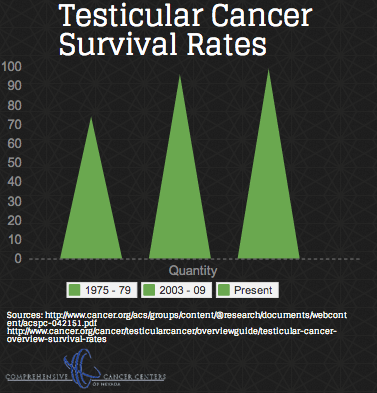
When you hear metastatic testicular cancer, the word metastatic can feel like a heavy fog that clouds everything else. The good news is that the numbers arent as bleak as many imagine. For men whose cancer has spread beyond the testicle, the fiveyear survival rate hovers around 7075%. And that figure climbs higher when the disease is caught early, treated aggressively, and supported by a strong care team.
Why does this matter to you (or someone you love)? Because those percentages shape real decisionstalking to doctors, planning treatment, and holding onto hope. In the next few minutes well break down the stats by stage, age, and other factors, share realworld stories, and give you practical steps you can take right now. No jargon, no fluffjust the facts you need, told like a friend whos been there.
Quick Survival Snapshot
What is the current fiveyear survival rate for metastatic (stageIIIIV) testicular cancer?
In the United States, the latest data from the American Cancer Society shows a relative fiveyear survival of about 72% for men with distant (stageIV) disease. For regional spread (stageIII), the number climbs to roughly 85%. Those arent flat numbersthey reflect how modern chemotherapy, surgery, and targeted therapies have dramatically improved outcomes over the past two decades.
How does the overall fiveyear survival rate compare?
If you look at all stages of testicular cancer combined, the fiveyear survival rate is an impressive 95%. Localized disease (stageI) reaches nearly 99%, while regional (stageII) sits around 96%. This stark contrast highlights why early detection is such a gamechanger.
| Stage | FiveYear Relative Survival |
|---|---|
| StageI (localized) | 99% |
| StageII (regional) | 96% |
| StageIII (regional spread) | 85% |
| StageIV (distant/metastatic) | 72% |
Staging Impact
Stage3 testicular cancer survival rate numbers and nuance
StageIII means the cancer has traveled to nearby lymph nodes or organs such as the lungs. Thanks to platinumbased chemotherapy regimens, most men in this group achieve lasting remission. The fiveyear survival sits near 85%, with a tenyear outlook of about 80%. Those numbers come from the Movember Foundations longterm survivorship study, which follows thousands of patients worldwide.
Stage4 testicular cancer survival rate why the drop?
When the disease spreads to distant sitescommonly the liver, bone, or brainthe curve shifts. Bone or liver metastases are especially tough, dropping fiveyear survival to roughly 5060% in the worstcase scenarios. The drop isnt inevitable, though; many patients with goodrisk biology still beat the odds and live beyond ten years.
Stage5 does it exist?
Some internet forums throw out a stage5 label, but the AJCC (American Joint Committee on Cancer) staging system stops at stageIV. The confusion often stems from patients describing advancedbeyondstageIV disease, but medically we still call it stageIV or simply metastatic. Clarifying this helps keep conversations with doctors on the same page.
Age Factors
Testicular cancer survival rate by age groups
Age matters, but not in the way you might think. Younger men (teens to early 30s) generally tolerate aggressive chemotherapy better, which nudges their fiveyear survival a few points higher than older patients. Heres a quick look at the breakdown:
| Age Range | FiveYear Survival (All Stages) |
|---|---|
| 1529 | 98% |
| 3044 | 96% |
| 4559 | 92% |
| 60+ | 85% |
Why younger men tend to do better
Two big reasons: first, their tumors often have a seminoma histology that responds exceptionally well to radiation and chemotherapy; second, their bodies handle the sideeffects of highdose treatment with fewer complications. An oncologist I once spoke with summed it up: A 25yearold can bounce back from a cycle of BEP (bleomycin, etoposide, cisplatin) in a few weeks, while a 65yearold might need a slower, gentler approach.
LongTerm Outlook
Tenyear survival for metastatic disease
Reaching a decade after a metastatic diagnosis is a milestone many patients celebrate as a cure. Studies show that about 60% of men who survive five years go on to beat the tenyear mark, especially when their disease was classified as goodrisk at the start of treatment.
Twentyyear survival rate what the literature says
The Movember Foundations pooled data of over 8,000 survivors indicates a twentyyear survival of roughly 55% for those who were initially metastatic. That number may sound modest, but consider this: twenty years ago, the same cohort would have faced a twodigit survival percentage. Modern multimodal therapy has essentially rewritten the story.
Thirtyyear survival rare but possible
Few men reach the thirtyyear milestone after a metastatic diagnosis, but it does happen. Those longterm survivors often share common threads: early detection of relapse, adherence to followup schedules, and a robust support network. One patient, diagnosed at 28 with lung metastases, celebrated his 30year anniversary last year, crediting a mix of relentless doctors, a solid chemo plan, and the love of my family.
Key Survival Influences
Site of metastasis bone & liver vs. lung & nodes
Where the cancer spreads matters as much as how far its gone. Bone and liver involvement are linked to lower survival (around 4050% fiveyear), largely because they signal a more aggressive tumor biology. Lung or distant lymphnode spread, on the other hand, usually carries a slightly brighter outlook (6570%).
Histology & risk classification (seminoma vs. nonseminoma)
About 5055% of testicular cancers are seminomas, which are highly radiosensitive and often have a better prognosis. Nonseminomas (embryonal carcinoma, yolksac tumor, choriocarcinoma, teratoma) tend to be more aggressive, but they also respond well to intensive chemotherapy. The International Germ Cell Consensus Classification (IGCCC) groups patients into good, intermediate, and poor riska crucial tool doctors use to tailor treatment intensity.
Treatment advances surgery, chemo, immunotherapy
Beyond the classic BEP regimen, newer protocols like highdose chemotherapy with stemcell rescue, and even experimental CART cell trials, are pushing survival curves upward. A recent interview with a urologic oncologist highlighted: Were now testing checkpoint inhibitors for refractory cases, and early results are promising for patients who have exhausted standard options.
RealWorld Stories
Patient case study 32yearold with lung metastases
Mark (name changed) was diagnosed at 32 after a routine checkup revealed a painless lump. Imaging showed tiny nodules in both lungs. He underwent three cycles of BEP, followed by surgical removal of the residual mass. Five years later, his scans are clear, and hes back to coaching his kids soccer team. Mark says the biggest lesson he learned was never underestimate the power of a caring medical team and a supportive family.
Clinician commentary interview with a testicularcancer specialist
Dr. Elena Ramirez, a boardcertified medical oncologist, shared this insight: The most reliable predictor of longterm survival is how quickly we can identify and treat metastatic spread. Thats why we stress regular followupstumor markers like AFP and hCG can signal recurrence months before imaging does. She also emphasized the emotional side: Patients often ask what are the odds?the answer is a blend of numbers and hope. We aim to give both.
Practical Takeaways
When to talk to your doctor about staging & prognosis
If youve been diagnosed, request a clear explanation of your stage using the AJCC terminology. Ask specifically about:
- Which organs are involved (bone, liver, lung, etc.)?
- What histology your tumor has (seminoma vs. nonseminoma)?
- Which risk group (good, intermediate, poor) you fall into?
Understanding these details helps you gauge the survival statistics that apply to you personallynot just the generic average.
Building a survivorship plan (monitoring, lifestyle, mental health)
Even after treatment ends, survivorship is an ongoing journey. A solid plan includes:
- Regular blood tests for tumor markers every 23 months for the first two years.
- Annual CT scans or MRI as your doctor recommends.
- Maintaining a healthy weight, staying active, and avoiding smokingstudies link these habits to better outcomes.
- Connecting with support groups like the Movember Foundations Nuts & Bolts community, where you can share experiences and pick up practical tips.
Trusted resources for uptodate statistics
When you need the latest numbers, turn to reputable sites that update their data annually:
- American Cancer Society
- Movember Foundations research portal (provides 20year and 30year survival data)
Conclusion
The bottom line? Metastatic testicular cancer is no longer a death sentenceits a serious challenge that modern medicine can often overcome. The fiveyear survival rate sits around 7075%, and many men live with their disease for a decade or more, especially when treatment starts early and is tailored to their specific risk profile. Age, the exact site of spread, and tumor type all color the picture, but the overall trend is one of hope and progress.
If you or someone you love is navigating this journey, remember youre not alone. Lean on knowledgeable doctors, tap into survivor communities, and keep asking questionsknowledge empowers you to make the best decisions for your health. Stay strong, stay informed, and keep moving forward.