Not medical advice — written by Ngoc Vietsmall, who is not a healthcare professional.
This article summarises publicly available medical information for general readers. It cannot account for your history, medication or symptoms, and it is not a diagnosis or a treatment plan. Any dose mentioned comes from published labelling or guidelines — only your own prescriber can decide what is right for you.
Always speak to a doctor or pharmacist before starting, stopping or changing any treatment. If symptoms are severe or getting worse, seek urgent care. Full disclaimer · How this is written
Most people dont realize that a bloodpressure reading of 180/120mmHg or higher is a medical emergency for anyone, but especially for women. At that level the blood vessels in the brain are under so much strain that a stroke can happen in minutes if nothing is done.
In this article Ill walk you through exactly what strokelevel means, how normal values change as you get older, the warning signs you should never ignore, and the steps you can take right now to stay safe. Think of it as a friendly chat over coffeestraight answers, realworld tips, and a little bit of empathy for anyone whos ever felt a racing heart while looking at a cuff.
Understanding the Numbers
What does strokelevel actually mean?
When doctors talk about a hypertensive crisis, theyre referring to a reading of 180mmHg systolic or 120mmHg diastolic (or both). This isnt just high blood pressure its a hypertensive emergency that can damage organs in seconds. The key difference between an urgency and an emergency is whether theres evidence of organ damagelike a headache, vision change, or chest pain. If you hit those numbers, call 911 immediately.
How does it differ for women versus men?
Women arent just smaller versions of men; hormones, artery size, and even the way blood pressure rises after menopause make the picture unique. Studies show that after age 55, womens risk of a stroke at a given bloodpressure level rises faster than mens. In practical terms, a reading of 170/110mmHg might feel alarming for any adult, but for a postmenopausal woman its edging dangerously close to that 180/120 strokelevel threshold.
Key research supporting gender differences
According to a 2024 article from the American Heart Association, estrogen provides a protective effect before menopause, but once levels dip, the walls of small arteries become more vulnerable to pressure spikes. A peerreviewed study in *Stroke* (PMCID3838588) found that women over 60 with systolic pressures above 160mmHg were 30% more likely to experience an ischemic stroke than men with the same numbers.
Normal BP by Age
Agespecific normal ranges for women
Blood pressure isnt a onesizefitsall number. Your age, weight, and lifestyle all shift the sweet spot. Below is a quick guide you can keep on your fridge:
| Age | Normal Systolic / Diastolic (mmHg) | Upper Safe Limit | StrokeLevel Threshold |
|---|---|---|---|
| 2039yr | 110120/7080 | 129/84 | 180/120 |
| 4059yr | 115125/7585 | 134/89 | 180/120 |
| 60+yr | 120130/8085 | 139/94 | 180/120 |
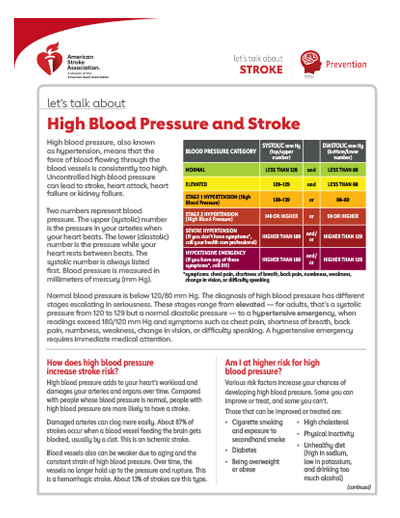
These numbers line up with the American Heart Associations bloodpressure chart. Keep in mind that normal is a moving target; a reading thats a little higher than the table but still below 180/120 is usually okay if youre otherwise healthy, but its a sign to start lifestyle tweaks.
How to read the bloodpressure stroke risk chart
The chart is divided into zones:
- Normal: Below 120/80mmHg your arteries are happy.
- Elevated: 120129/8084 time to watch your salt.
- Stage1 Hypertension: 130139/8589 consider doctorguided meds.
- Stage2 Hypertension: 140179/90119 lifestyle + medication likely needed.
- Hypertensive Crisis (StrokeLevel): 180/120 call emergency services now.
StrokeLevel Symptoms
Classic emergency signs
When blood pressure skyrockets, the body often sends an SOS:
- Sudden, pounding headache (worst Ive ever had).
- Blurred or double vision.
- Chest pain or tightness.
- Shortness of breath that feels out of proportion to activity.
- Confusion, slurred speech, or trouble understanding simple questions.
- Numbness or weakness on one side of the body.
Genderspecific red flags
Women sometimes report atypical symptoms that get dismissed. A sudden, sharp pressure in the back of the head, unexplained swelling in the ankles, or a new onset of migrainelike pain after menopause can all hint at a pressure surge. If you notice these alongside a reading of 180/120 or higher, treat it as a strokelevel emergency even if you feel fine.
Realworld anecdote
Maria, 52, thought her throbbing temples were just stress from work. She checked her cuff and saw 190/125mmHg. She called 911, and doctors later told her a tiny bleed in the brain was prevented because she got treatment within an hour. Marias story reminds us that no pain, no problem is a dangerous myth.
What to Do
Immediate 5step plan
If your numbers hit stroke level, heres what to do without pause:
- Call 911. Say possible hypertensive emergency.
- Stay calm and sit upright. Lying flat can increase intracranial pressure.
- Take a prescribed rescue dose. Only if your doctor gave you one (e.g., clonidine or sublingual nifedipine).
- Log the reading. Write the exact figure, time, and any symptoms.
- Follow up within 24hours. Even if you feel okay, a specialist needs to check you.
When to seek care without symptoms
Blood pressure is a silent killer. A reading of 182/124mmHg can sit in your arm for minutes without causing pain, yet damage can already be happening in the brains tiny vessels. Whenever your cuff shows a number in the hypertensive crisis zone, treat it like a fire alarmcall help, even if you think youre fine.
Expert tip: Homemonitoring best practices
Use a cuff thats been validated by the Association for the Advancement of Medical Instrumentation. Measure twice, one minute apart, and always record both arms (the higher reading is the one you act on). Keep a logbook or a smartphone noteyour doctor will love the data.
LongTerm Management
Lifestyle strategies that lower stroke risk for women
Changing a few habits can shift you from danger zone to steady ship. Heres a cheatsheet you can start this week:
- Follow the DASH diet. Focus on fruits, veggies, whole grains, lowfat dairy, and lean protein. Cut back on sodium to under 1,500mg/day.
- Move daily. Aim for at least 150 minutes of moderate aerobic activitythink brisk walking, cycling, or dancing.
- Watch your weight. Even a 5pound loss can drop systolic pressure by 510mmHg.
- Stress reduction. Try mindfulness, yoga, or simply a nightly 10minute breathing exercise.
- Limit alcohol. No more than one drink per day for women.
Medication considerations (womenspecific)
Not every woman can take the same pills. If youre pregnant or planning a pregnancy, ACE inhibitors are offlimits; safer options include labetalol or methyldopa. For postmenopausal women, thiazidetype diuretics often work well, but keep an eye on potassium levels.
Frequently asked miniquestions
What is stroke level blood pressure for a man? The same numeric threshold180/120mmHgbut men generally develop hypertension earlier, so the warning signs may appear at slightly lower numbers.
Can blood pressure over 200 cause a stroke instantly? A reading above 200/120 is a fullblown hypertensive emergency; the risk of a stroke skyrockets within minutes. Immediate medical attention is nonnegotiable.
Key Takeaways
Understanding strokelevel blood pressure for a woman means recognizing a reading of 180/120mmHg or higher as a redalert that demands emergency care. Knowing your agespecific normal range helps you spot when youre drifting toward danger. The symptomsheadache, vision issues, chest pain, and sudden weaknessshould never be ignored, especially because women sometimes experience subtler cues.
When you hit that threshold, follow the fivestep emergency plan, log the numbers, and get professional help right away. Longterm, a DASHstyle diet, regular movement, stress management, and the right medication can keep you safely below the crisis zone.
Remember, youre not alone in this journey. If you have questions, reach out to your healthcare provider, share what youve learned with the women in your life, and keep an eye on those numbers. Your heart and brain will thank you.