
Not medical advice — written by Ngoc Vietsmall, who is not a healthcare professional.
This article summarises publicly available medical information for general readers. It cannot account for your history, medication or symptoms, and it is not a diagnosis or a treatment plan. Any dose mentioned comes from published labelling or guidelines — only your own prescriber can decide what is right for you.
Always speak to a doctor or pharmacist before starting, stopping or changing any treatment. If symptoms are severe or getting worse, seek urgent care. Full disclaimer · How this is written
Ever opened a pediatric Xray and spotted those mysterious alternating stripes on the metaphysis? Those are leukemic lines a visual clue that can fasttrack a leukemia diagnosis if you know what to look for. In the next few minutes, Ill walk you through what they are, why they matter, and how to read them confidently, all in a friendly, downtoearth conversation.
What Are Leukemic Lines
Definition and Naming
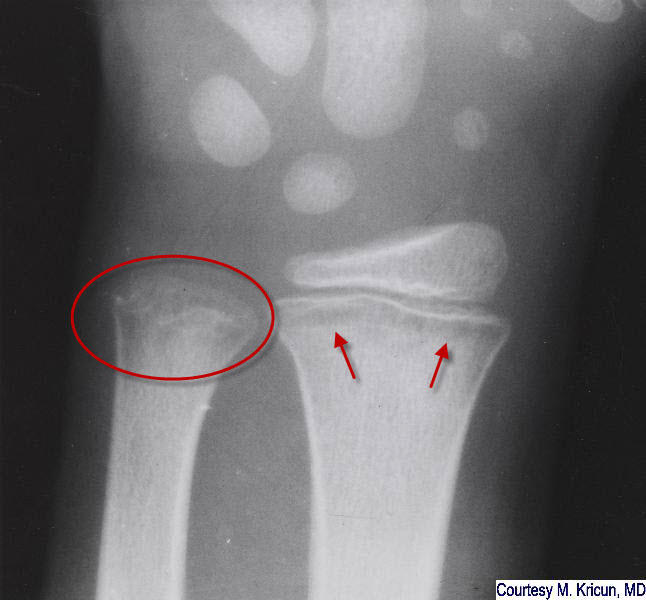
Leukemic lines are thin, alternating radiolucent (dark) and radiodense (bright) bands that appear across the metaphyseal region of long bones on plain radiographs. Radiologists also call them lucent metaphyseal bands or dense metaphyseal bands depending on the predominant appearance. The term leukemic simply reflects that these bands are most commonly seen in patients with acute leukemia, especially children.
Why They Appear
Think of growing bone as a construction site: new bone is laid down at the metaphysis while old bone is remodeled. When leukemia invades the marrow, it disrupts that orderly construction, creating zones of reduced mineralization (the dark bands) alternating with areas where mineralization continues (the bright bands). This stopandgo pattern shows up on the Xray as those striking lines.
Visual Clues on Xray
If you squint a little, youll notice the bands are usually parallel to the growth plate and run the length of the metaphysis. Theyre often bilateral and symmetric, which helps distinguish them from unilateral injuries or infections.
Typical Locations
The most common sites are the distal femur and proximal tibia basically the knee area where growth is rapid in children. You might also see them in the distal humerus or proximal radius, but the knee tops the list.
How Do They Differ
Comparison Table
| Feature | Leukemic Lines | Rickets Bands | Physiologic Growth Plate |
|---|---|---|---|
| Pattern | Alternating radiolucent/dense bands | Broad, cupping, fraying | Smooth, uniform |
| Symmetry | Bilateral, symmetric | Often asymmetric | Symmetric |
| Age | Children with leukemia | Vitamin D deficiency, any age | All growing children |
| Associated SoftTissue | Possible chloroma (extramedullary tumor) | None | None |
Imaging Modality Choices
Plain radiography is the first line its quick, cheap, and shows the characteristic bands. If you need more detail, especially to assess marrow infiltration, an MRI will highlight the highsignal intensity of leukemic marrow. CT can be useful for dense bands or when youre looking for a chloroma, but keep radiation exposure in mind, especially for kids.
RedFlag Features
Here are the warning signs that should push you to order further workup:
- Rapid appearance of new bands over weeks.
- Presence of a softtissue mass near the bone (chloroma radiology).
- Associated systemic symptoms unexplained fever, bruising, or fatigue.
- Bilaterally symmetric bands in a child with abnormal blood counts.
Radiology Across Subtypes
Acute Lymphoblastic Leukemia
Brain Involvement
While the bones often steal the show, acute lymphoblastic leukemia (ALL) can also infiltrate the central nervous system. In acute lymphoblastic leukemia brain radiology, you might see meningeal enhancement on contrast MRI a sign of leukemic meningitis. Spotting both bone and brain changes can tip the scale toward a more aggressive treatment plan.
Acute Myeloid Leukemia
Chloroma and Bone Findings
Patients with acute myeloid leukemia (AML) sometimes develop chloromas greenish softtissue tumors that are actually collections of myeloid blasts. On chloroma radiology, CT shows a welldefined, mildly enhancing mass, while MRI reveals a highsignal lesion on T2. In the same scan, you may also catch those familiar metaphyseal bands, reminding you that leukemia radiology bone findings can cross subtypes.
Chronic Leukemia
Chronic myelogenous leukemia (CML) rarely shows overt skeletal changes, but prolonged disease can lead to osteopenia and, occasionally, subtle metaphyseal bands. Its less dramatic, but still worth keeping on your radar if youre reviewing a longterm patients imaging.
Clinical Impact Overview
Early Diagnosis Benefits
Spotting leukemic lines can shave days or even weeks off the diagnostic timeline. An early bonemarrow biopsy, prompted by the radiographic clue, often means earlier initiation of chemotherapy, which improves survival rates in pediatric leukemia. In short, those humble bands can be lifesavers.
Potential Pitfalls
That said, misreading the bands as benign growthplate variations or as rickets can delay essential treatment. Conversely, overcalling them and ordering unnecessary highdose CT scans can expose a child to excess radiation. Striking the right balance is where experience meets judgment.
Balancing Imaging Risks
When in doubt, opt for MRI over CT it avoids ionizing radiation and gives superior softtissue detail. If you must use CT (for instance, to evaluate a suspected chloroma), choose lowdose protocols and limit the fieldofview to the area of interest.
Reading Radiographs StepbyStep
Gather Patient Context
Before you even look at the image, ask yourself:
- Whats the patients age?
- Do they have known leukemia, unexplained cytopenias, or systemic symptoms?
- Are there any prior imaging studies for comparison?
Image Acquisition Checklist
Make sure the radiograph is taken with proper positioning (AP view of the knee is standard) and optimal exposure underexposed images can mask the subtle bands, while overexposure may wash them out.
Visual Inspection Guide
Start by locating the growth plate. Then sweep your eyes outward toward the metaphysis. Do you see alternating darklight bands? Are they symmetric? Any adjacent softtissue mass?
QuickLook Checklist
- Bilaterality are the bands present on both sides?
- Band width typically 25mm, thin and regular.
- Radiodensity alternating lucent/dense pattern.
- Associated findings periosteal reaction, softtissue mass.
Standard Reporting Language
A concise, standardized phrase helps the referring physician act quickly. For example: Thin, alternating lucent and dense metaphyseal bands consistent with leukemic lines; recommend correlation with clinical findings and consider bonemarrow biopsy. This phrasing is clear, nonalarmist, and guides next steps.
Resources Further Reading
If youd like to dive deeper, these trusted sources are a great place to start:
- Radiopaedia case on metaphyseal radiolucent lines in leukaemia excellent images and discussion.
- PubMed article on bony lesions in pediatric acute leukemia a thorough pictorial review.
Conclusion
Leukemic lines radiology may look like a faint set of stripes on a bone Xray, but they carry a powerful message about underlying disease. By recognizing their characteristic pattern, distinguishing them from benign mimics, and understanding how they fit into the broader picture of leukemia subtypes, you can help clinicians act faster, avoid unnecessary tests, and ultimately improve patient outcomes. Remember, its not just about reading an image its about seeing the story behind it and sharing that insight with compassion. If you ever spot those bands, trust your instincts, follow the stepbystep guide, and keep learning from each case. Together, well turn those subtle clues into lifesaving actions.