Not medical advice — written by Ngoc Vietsmall, who is not a healthcare professional.
This article summarises publicly available medical information for general readers. It cannot account for your history, medication or symptoms, and it is not a diagnosis or a treatment plan. Any dose mentioned comes from published labelling or guidelines — only your own prescriber can decide what is right for you.
Always speak to a doctor or pharmacist before starting, stopping or changing any treatment. If symptoms are severe or getting worse, seek urgent care. Full disclaimer · How this is written
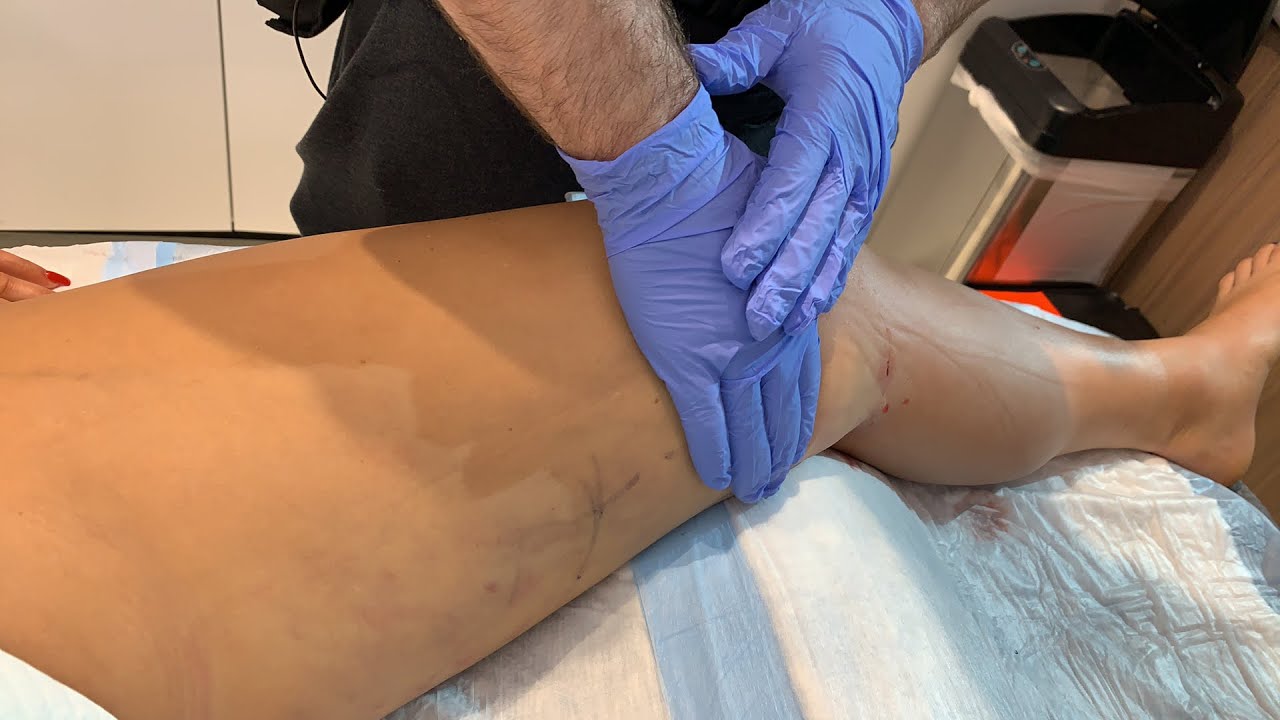
Hey there! If youve ever wondered whether a swollen leg can be safely drained while youre in the hospital, youre in the right place. In a nutshell, doctors usually use a quick, minimallyinvasive procedure called fluid aspiration to remove excess fluid from the legs. It eases pain, improves mobility, and prevents complications like infection or worsening lymphedema.
Why Fluid Builds Up
Before we jump into the hospital side of things, lets talk about why fluid even starts leaking in the first place. Understanding the root cause makes the whole treatment story a lot clearer.
What Is Lymphedema?
Lymphedema is a chronic swelling that occurs when the lymphatic system cant move fluidrich lymph out of the tissues. Think of it as a traffic jam in your bodys drainage system. Primary lymphedema is genetic, while secondary lymphedema shows up after an injury, surgery, or another health issue.
Common Triggers for the Elderly
- Agerelated weakening of lymphatic vessels
- Heart failure or chronic kidney disease
- Medications that cause fluid retention (e.g., certain blood pressure meds)
- Reduced mobility and long periods of sitting or lying down
Studies from publichealth data show that up to 30% of people over 65 experience some form of leg swelling, and many of them never realize its a sign of a deeper problem.
QuickCheck List: Spotting Warning Signs
| Symptom | What It Might Mean |
|---|---|
| Persistent swelling that doesnt improve with elevation | Possible lymphedema or heartrelated edema |
| Heavy, tight feeling in the leg | Fluid accumulation pressing on nerves |
| Skin changes (tight, glossy, or discoloured) | Advanced lymphedema |
| Pain or sudden throbbing | Potential infection or vascular issue |
When Hospital Drainage Is Needed
Not every puff of fluid deserves a trip to the interventional radiology suite. So, when should you actually consider a hospitalbased drainage?
Is Fluid Leaking Serious?
If the swelling appears suddenly, exceeds about 1liter, or comes with red skin, fever, or intense pain, its time to call your doctor. Those are the classic redflag symptoms that signal a higher risk of infection or vascular injury.
Scenarios That Almost Always Require Aspiration
- Postsurgical seromas that wont resolve with compression
- Acute traumatic edema with a clear fluid pocket
- Severe lymphedema thats causing pain and limiting daily activities despite bestinclass compression therapy
DecisionTree (Visual Idea)
If you have rapid swelling call your provider. If swelling is stable but uncomfortable try compression first. If swelling persists >2weeks or hurts discuss aspiration in the hospital.
How the Procedure Works
Now for the part that most people are curious about: the actual draining process. Its less scary than you might think, especially when you know whats going on.
StepbyStep Fluid Aspiration
- Preparation & consent: Youll lie comfortably on a padded table while a nurse explains the process. A local anesthetic numbs the skinno need for a full sedation.
- Ultrasound localisation: A portable ultrasound helps the doctor pinpoint the exact fluid pocket. This imaging step dramatically reduces the chance of hitting a vessel or nerve.
- Needle insertion: Using a sterile 22gauge needle, the clinician gently pierces the skin and enters the fluid collection.
- Syringe extraction: The fluid is drawn into a syringesometimes a liter or more, depending on the size of the pocket. The sample may be sent to the lab if infection is suspected.
- Postprocedure care: A small dressing is applied, followed by a compression bandage. Youll be monitored for a short while for any bleeding or bruising.
Who Performs It?
In most hospitals, an interventional radiologist or a vascular surgeon with specialized training handles the procedure. Both have strict credentialing requirements, ensuring youre in capable hands.
Equipment Snapshot
Typical tools include a sterile ultrasound probe, a 22gauge needle, a largecapacity syringe, and sometimes a temporary catheter if the fluid is expected to reaccumulate quickly.
Benefits&Risks
Every medical intervention comes with a balance of good and bad. Lets lay them out honestly so you can feel confident about the decision.
Benefits Youll Notice
- Immediate reduction in swellingmost patients feel relief within minutes.
- Pain reliefless pressure on nerves means less ache.
- Improved mobilityyou can walk or sit with less discomfort.
- Lower infection riskremoving stagnant fluid reduces bacterial growth.
Potential Complications
Complications are rare, but transparency matters.
- Minor bruising or skin irritation at the needle site
- Bleeding (usually tiny and selflimiting)
- Infectionless than 2% of cases when sterile technique is followed
- Accidental injury to a nearby nerve or vessel (extremely uncommon with ultrasound guidance)
A peerreviewed study reported a complication rate of about 1.4% for lowerextremity fluid aspiration, which is reassuringly low.
How Clinicians Minimise Risks
They keep the environment sterile, use realtime imaging, and monitor you for a short period after the procedure. If anything looks odd, they act immediatelymost hospitals have protocols for quick intervention.
Alternatives & Ongoing Care
Draining fluid is often just one piece of the puzzle. Longterm management keeps swelling from coming back.
NonSurgical Options First
- Compression therapy: Graduated stockings or bandages provide constant pressure that encourages lymph flow.
- Manual lymphatic drainage (MLD): A gentle, therapistled massage that moves fluid toward healthy lymph nodes.
- Exercise: Walking, ankle pumps, and light resistance exercises boost circulation.
- Medication: Diuretics may help if heart or kidney disease is contributing, but theyre not a cure for lymphedema.
When Surgery or Advanced Procedures Come In
For stubborn cases, specialists may consider lymphsparing surgeries, liposuctionbased debulking, or the newer lymphaticovenular anastomosis (LVA) technique. These options are discussed after conservative measures have been exhausted.
Lifestyle Tweaks That Help
- Elevate legs above heart level for 15minutes a few times a day.
- Keep sodium intake low to reduce fluid retention.
- Maintain a healthy weightextra tissue makes drainage harder.
- Take good care of skin; cracks can become infection portals.
RealWorld Experience
Case Study: Hospice Patients Turnaround
A 78yearold woman with stage3 lymphedema presented with 2liters of fluid trapped in her calf. After an ultrasoundguided aspiration in the hospital, 1.8L was removed, and her pain score dropped from 8/10 to 2/10. She continued with compression therapy and reported a marked improvement in daily activities for the next six months.
Patient Voice
I was terrified that Id have to live with the swelling forever, she told her nurse. The procedure was quick, and I felt lighter right away. It gave me hope that I could still enjoy my garden walks.
Takeaway Checklist
- Ask your doctor about ultrasound guidance and who will perform the aspiration.
- Watch the site for redness, swelling, or fever after the procedure.
- Follow up with a certified lymphedema therapist for compression and exercises.
- Consider joining a support groupsharing stories cuts down the loneliness.
Sources & Further Reading
For deeper dives, you can explore reputable health portals such as the Mayo Clinic and the NHS. These sites offer evidencebased guidelines and patient resources that complement what weve covered.
Conclusion
Draining fluid from legs in hospital is a safe, often lifeimproving option when swelling becomes painful or risky. By understanding why fluid builds up, recognizing redflag signs, and knowing what the procedure entails, you empower yourself to make informed choices. Remember, the aspiration is only the first stepongoing compression, movement, and skin care are the real heroes that keep the fluid at bay.
If you or a loved one are facing swelling, dont hesitate to bring these points up with your healthcare team. Ask about ultrasoundguided aspiration, discuss a personalized compression plan, and consider connecting with a lymphedema support community. You deserve relief, comfort, and the confidence to keep moving forward.