Not medical advice — written by Ngoc Vietsmall, who is not a healthcare professional.
This article summarises publicly available medical information for general readers. It cannot account for your history, medication or symptoms, and it is not a diagnosis or a treatment plan. Any dose mentioned comes from published labelling or guidelines — only your own prescriber can decide what is right for you.
Always speak to a doctor or pharmacist before starting, stopping or changing any treatment. If symptoms are severe or getting worse, seek urgent care. Full disclaimer · How this is written
Hey there! If youve just been handed a prescription for doxycycline and the words chest infection are flashing in your mind, you probably have a few quick questions: How much should I take? For how many days? And what should I watch out for? Below youll find answers framed in plain English, with a clear emphasis on what the official prescribing information states — and why only your own clinician can determine the right plan for you.
Grab a cup of tea, settle in, and lets walk through everything from typical dose ranges to the benefits, the risks, and a few handy tips you wont find on a sterile pharmacy label. Think of this as a friendly chat with someone who has gathered the key facts to help you have a more informed conversation with your healthcare provider.
Quick Answer Summary
What the label commonly lists for adults
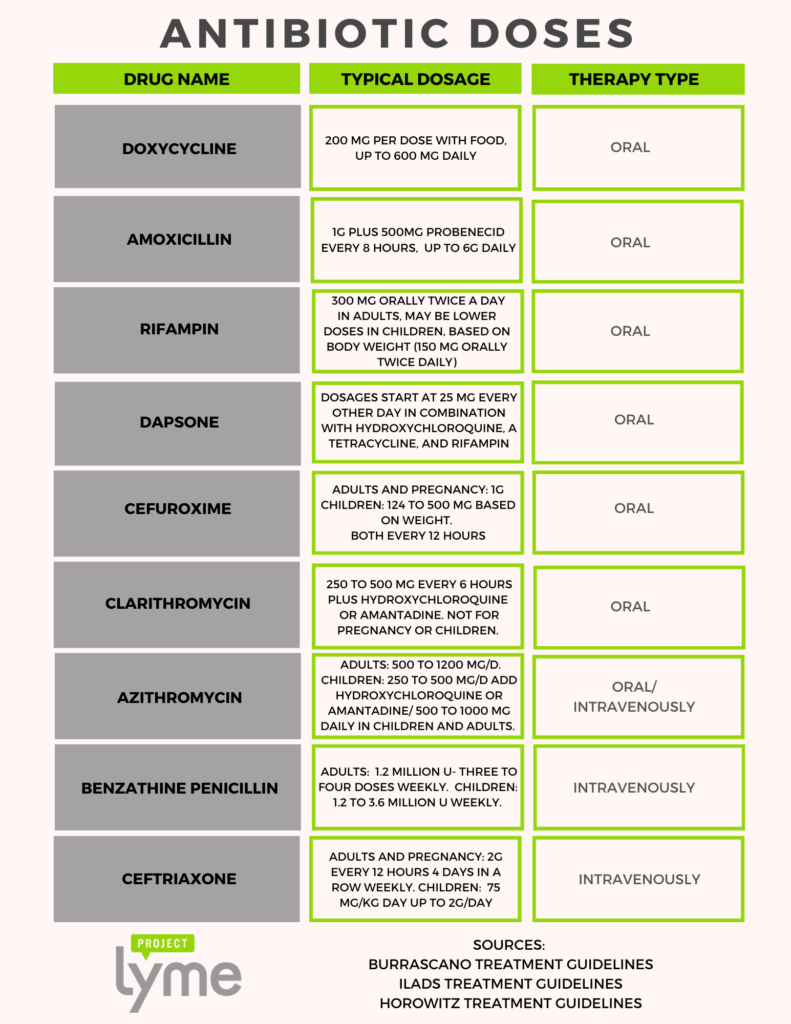
The prescribing information for doxycycline notes that a frequently used dose for certain types of respiratory infections is 100mg taken twice daily (roughly every 12 hours) for a course that often lasts around 7 days. This schedule is based on studies showing it can be effective against many susceptible bacteria, but the exact amount and duration that is right for you can only be set by the clinician who knows your health history.
Higher initial dose described in some guidelines
Some official dosing references describe a 200mg starting dose on the first day (often split into two 100mg doses) followed by 100mg twice daily for certain more complex presentations. This approach is mentioned in the context of specific bacterial strains or more severe illness, but it is never a decision for a patient to make alone — your prescriber will weigh your individual situation before choosing any regimen.
Completing the prescribed course
Even if you begin to feel better, the prescribing label advises finishing the full course as directed by your clinician — typically the course falls between 5 and 10 days depending on the condition and the prescriber's assessment. Stopping early may allow surviving bacteria to persist, which is why following your own clinician's instruction is so important.
| Dosage | Duration | Notes |
|---|---|---|
| The label lists 100mg twice daily as a common adult option, but your prescriber determines your actual dose. | The label may describe a 7‑day course as typical, but your prescriber will set the duration for you. | General advice often includes taking with water and avoiding lying down for a short while; follow your prescriber's specific instructions. |
| Some references mention a 200mg loading dose on day one followed by 100mg twice daily for certain cases — this is a clinical decision, not a self‑selected schedule. | For more severe illness, guidelines may mention 7–10 days, but only your clinician can decide what applies to you. | This option is sometimes described for pneumonia or complicated bronchitis, but your prescriber will tell you if it is appropriate. |
Understanding Prescription
What evidence suggests about doxycycline and lung infections
Doxycycline is a broad‑spectrum antibiotic that has been shown in studies to be active against a range of bacteria that can affect the lungs, including Streptococcus pneumoniae, Haemophilus influenzae, and atypical organisms like Mycoplasma pneumoniae. Its ability to penetrate lung tissue is one reason it is often considered for community‑acquired pneumonia and bronchitis, but the choice of antibiotic is always a clinical judgment made by your healthcare professional.
Factors that clinicians consider when choosing a dose
When a prescriber decides on a doxycycline dose, they typically take into account:
- Body weight — many adults around 70kg may use a standard 100mg twice‑daily dose, but adjustments are possible.
- Infection severity — mild cases may be managed with shorter courses; more severe presentations might call for a different approach.
- Kidney and liver function — reduced organ function can influence dosing decisions; a useful general reference is the Drugs.com dosage guide, but it is not a substitute for your prescriber's advice.
Important reminder about dosing decisions
For many uncomplicated cases, prescribing information indicates that 100mg twice daily for 7 days is a common regimen. However, the only person who can decide whether that fits your particular health status is your own clinician. Never adjust, extend, or shorten your course based on general information — always follow the exact instruction on your prescription and discuss any concerns with your prescriber.
StepbyStep Dosing Guide
What a typical schedule might look like according to the label
The table below illustrates a general pattern that appears in some prescribing guides, but it is for educational illustration only. Your own schedule will be written on your prescription by your clinician. Do not follow any generic day‑by‑day plan without specific direction from the person treating you.
| Day | Morning dose | Evening dose | Key reminder |
|---|---|---|---|
| The label may describe a daily routine, but your prescriber sets your actual times and amounts. | Some references mention 100mg (or a split 200mg) with food — this is not a directive for you. | Similarly, an evening dose may be described in guidelines, but only your prescription tells you what to take. | General advice often includes staying upright for a short time after taking it; follow your prescriber's guidance. |
| If a course is extended beyond 7 days, that decision is made solely by your clinician based on your response. | Any change to once‑daily dosing would come from your prescriber, not from a printed table. | Only your clinician can tell you if a longer or shorter course is right for you. |
What guidelines may suggest for different conditions
- Bronchitis — some guidelines mention 5‑7 days of twice‑daily doxycycline as a possible option, but your prescriber decides.
- Pneumonia — references sometimes note 7‑10 days, possibly with a different first‑day dose, but that is a clinical decision.
- Sinus infection — the same twice‑daily schedule is sometimes listed, yet the duration will be tailored to you.
- Skin infection — some sources describe a 10‑day course, but again, follow only the instructions given by your clinician.
General administration tips (always follow your prescriber's instructions)
If your clinician has prescribed doxycycline, they will usually recommend taking it with a full glass of water. To reduce stomach upset, a light snack may help, but be aware that calcium‑rich foods (like milk or cheese) can bind the drug and reduce absorption — many sources suggest separating such foods from the dose by at least two hours. These are general suggestions; your prescriber may give you more specific directions.
Keeping track of your doses
Some people find it helpful to jot down the time of each dose and any noticeable changes in how they feel. A simple note like "morning dose with breakfast" or "evening dose after dinner" can help you stay consistent with the regimen your clinician has given you. If you have questions about your schedule, reach out to your prescriber or pharmacist.
Safety First Benefits
Possible side effects
Many people tolerate doxycycline well. The side effects most often reported in studies and product labeling include:
- Nausea or mild stomach upset.
- Increased sensitivity to sunlight — you may burn more easily.
- Esophageal irritation — taking it with plenty of water is a common recommendation to reduce this risk.
These effects are usually mild and tend to resolve after the course ends. If you notice a rash, severe diarrhea, or persistent vomiting, contact your healthcare provider promptly.
Symptoms that warrant a medical review
Even when antibiotics are appropriate, they cannot address every complication. Watch for:
- Fever that returns or spikes after 48 hours of treatment.
- Worsening cough, shortness of breath, or chest pain.
- Skin reactions such as hives, blistering, or swelling.
- Persistent or bloody stools.
If any of these occur, seek medical attention without delay.
Drug interactions to be aware of
Doxycycline can interact with a number of other medications. Common examples include:
- Blood thinners (e.g., warfarin) — the effect may be altered, so monitoring is often needed.
- Oral contraceptives — effectiveness might be reduced; some clinicians recommend backup contraception during treatment.
- Retinoids (for acne) — combined use may increase the risk of intracranial hypertension.
- Antacids or iron supplements — separate them from doxycycline by at least two hours, as your prescriber will advise.
Special populations
Pregnancy and breastfeeding — Doxycycline is generally not recommended during pregnancy because it can affect fetal bone and tooth development. The NHS advises alternative antibiotics for pregnant patients, and breastfeeding decisions should be made with your clinician.
Children — Dosing for children is based on body weight (often around 2.2mg/kg twice daily, but that is a general reference). Adults typically use the 100mg twice‑daily schedule only if their prescriber determines it is appropriate.
Antibiotic Comparison Table
| Antibiotic | Typical Dose | Duration for Chest Infection | Pros | Cons |
|---|---|---|---|---|
| Doxycycline | Commonly 100mg twice daily as per label, but your dose is prescribed individually. | Often 5‑7 days (or up to 10 for some cases) per guidelines, but your prescriber decides. | Oral, generally affordable, good lung tissue penetration. | Possible sun sensitivity and gastrointestinal effects. |
| Amoxicillin‑clavulanate | Dose varies widely; your prescriber will set the correct amount. | Typically 7‑10 days in many guidelines, but only your clinician sets your course. | Broad coverage against many bacteria. | May have higher rates of gastrointestinal side effects. |
| Azithromycin | Often a higher dose on day one followed by lower daily doses — but this is a general pattern, not a self‑directed schedule. | Some references mention 3‑5 days, but your prescriber determines your regimen. | Shorter course possible in some protocols. | Rising resistance is a concern; choice is made by your clinician. |
Bottom Line Tips
- Follow your prescribed plan — take the exact dose and duration written on your prescription. The label may describe common schedules, but your own clinician is the only one who can tailor it to you.
- Stay well hydrated — a full glass of water with each dose is a common suggestion to reduce esophageal irritation; follow any additional instructions from your prescriber.
- Protect your skin — because doxycycline can increase sun sensitivity, consider sunscreen or protective clothing when outdoors, as your clinician or pharmacist may advise.
- Manage interactions — separate doxycycline from antacids, iron, or calcium supplements by at least two hours, or as directed by your healthcare provider.
- Know when to call — persistent fever, worsening symptoms, severe rash, or any concerning change should prompt a call to your clinician or pharmacist for advice.
Understanding the why behind dosage ranges, proper timing, and safety considerations can help you use your prescription thoughtfully — but always remember that the information here is educational, not a substitute for professional medical advice. Your healthcare provider is the person best equipped to guide your treatment. If anything feels off, dont hesitate to reach out to them — they are there to help you get back on your feet.
Whats your experience with doxycycline? Have you found a tip that made the course easier? Sharing what worked for you can help others navigate the same path with confidence.